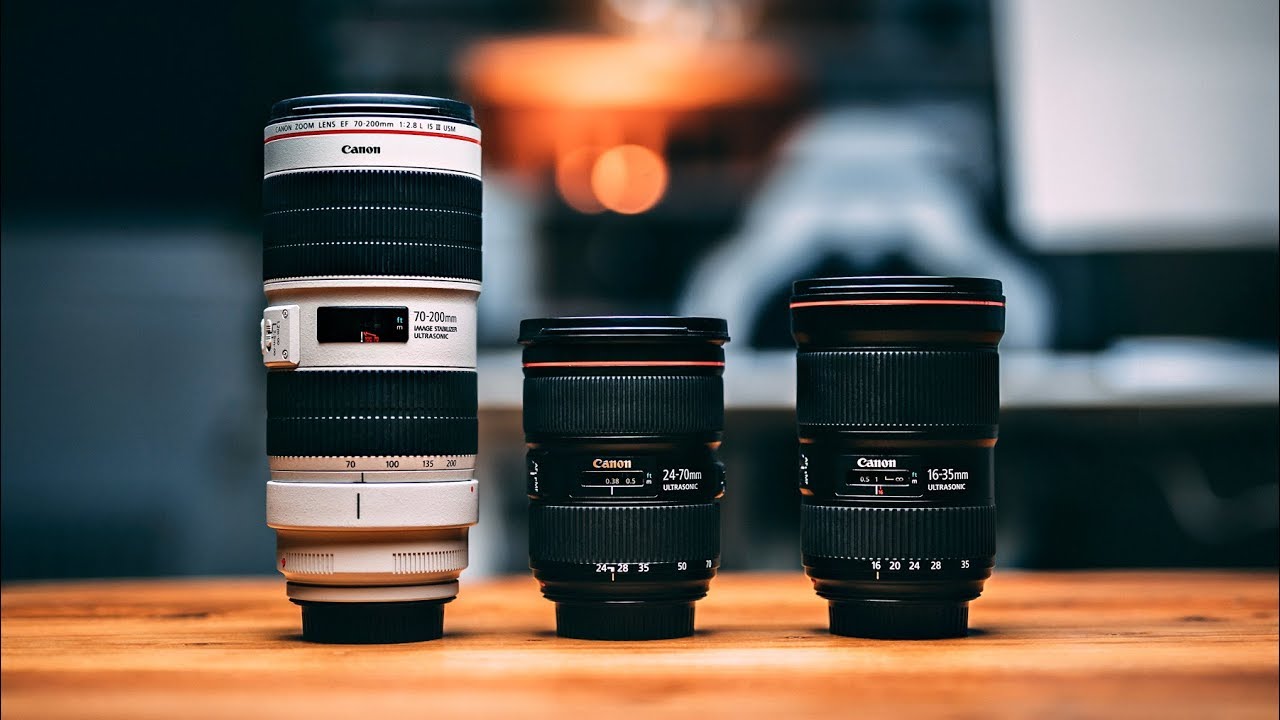
The 3-Lens Landscape Kit That Actually Makes Sense (Built Around Real-World Use)

The 3-Lens Landscape Kit That Actually Makes Sense (Built Around Real-World Use)

One of the questions I get more than almost anything else is some version of “which lenses do I actually need?” Not which ones are technically best. Not which ones win on spec sheets. Which ones should I pack when I’m already carrying water, a tripod, and layers for weather I didn’t expect. That is a real question with a real cost attached to it, and most lens recommendation articles dodge it completely.
Two Lenses, One Year of World Travel: What Pierre T. Lambert Got Right (And What I'd Do Differently)

Two Lenses, One Year of World Travel: What Pierre T. Lambert Got Right (And What I'd Do Differently)

There’s a question I get more than any other: “What lenses should I actually carry?” Not what’s on the spec sheet. Not what a camera store employee suggests because it moves margin. What actually works when you’re out in the field trying to cover a wide range of subjects without blowing your back out or your budget. In this Pierre T. Lambert tutorial, he answers that question from a very specific and useful vantage point: a full year of shooting around the world, covering landscape, portrait, street, and lifestyle work with just two lenses.

Do You Actually Need an Ultra Wide Angle Lens? Here's How to Decide

Do You Actually Need an Ultra Wide Angle Lens? Here's How to Decide

I’ve tested a lot of lenses on a tight budget. My spreadsheet has entries for focal lengths most people have never heard of, and I’ve run side-by-side comparisons on lenses that cost $89 versus $890. But one question keeps showing up in my inbox more than any other: “Do I need to go wider than 24mm?” It sounds simple. It’s not. Spend enough time in the field and you realize that buying an ultra wide angle lens without understanding how to use it is one of the fastest ways to end up with disappointing, distorted images you’ll never post.

The Holy Trinity of Lenses: Why Three Zooms Beat a Bag Full of Primes

The Holy Trinity of Lenses: Why Three Zooms Beat a Bag Full of Primes

I used to approach lens buying the same way I approached buying tripods – impulsively, one at a time, without a system. I’d grab whatever seemed like the best deal that week, end up with overlapping focal lengths, and still find myself in situations where I didn’t have the right tool for the shot. It took me an embarrassingly long time to realize the problem wasn’t my budget. It was that I had no framework for building a kit that actually covered everything.

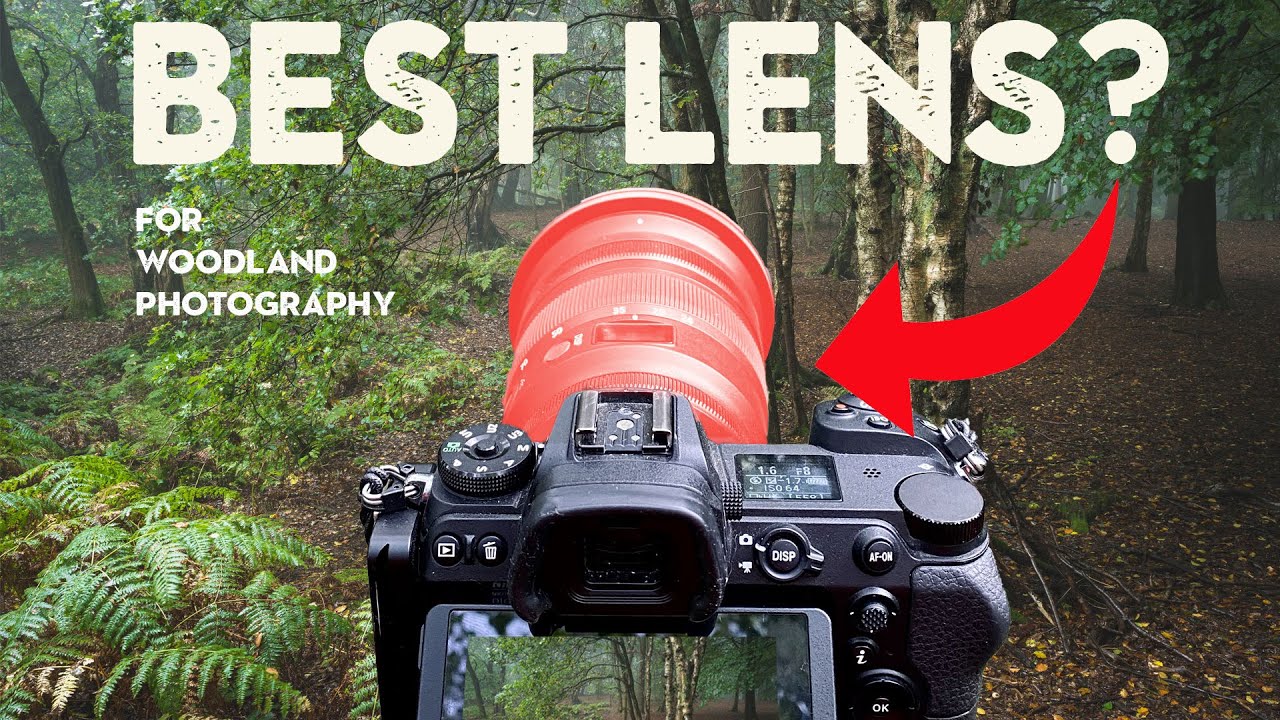
Why Photographers Who Shoot Woodland Keep Coming Back to the 24-70mm (And Why It's Not Hype)

Why Photographers Who Shoot Woodland Keep Coming Back to the 24-70mm (And Why It's Not Hype)

I’ve tested a lot of lenses. I have a spreadsheet to prove it. And one pattern that shows up constantly in my data is that the “boring” mid-range zoom outperforms specialty glass far more often than photographers expect, especially in environments where you’re reacting to light rather than controlling it. Woodland photography is the clearest example of this. You’re moving fast, the light is changing by the minute, and the difference between a good shot and a great one often comes down to being able to shift focal length without swapping glass.

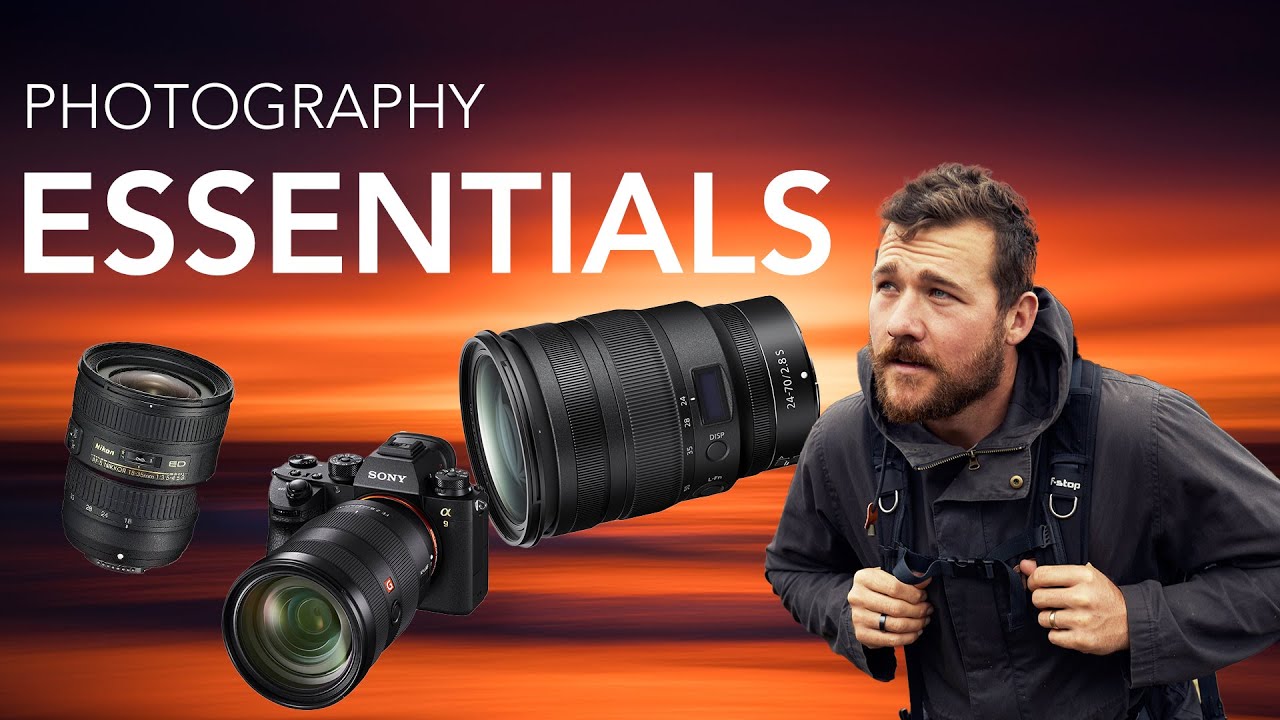
What a Pro Landscape Photographer Actually Carries (And What It Means For the Rest of Us)

What a Pro Landscape Photographer Actually Carries (And What It Means For the Rest of Us)

I’ll be honest with you. Most “what’s in my bag” videos are just excuse to show off expensive gear with zero explanation of why any of it was chosen. So when I came across William Patino’s breakdown of his landscape photography kit, I was ready to scroll past. I didn’t. Because Patino actually explains the reasoning behind every piece of gear he carries, and that reasoning holds up whether you’re spending $500 or $5,000.

Two Lenses, Zero Regrets: What Mark Denney's Gear Purge Taught Me About Shooting Smarter

Two Lenses, Zero Regrets: What Mark Denney's Gear Purge Taught Me About Shooting Smarter

I’ve tracked lens prices on spreadsheets longer than most people track their finances, and the question I field more than any other is still: “Which lens should I get for landscapes?” It’s the kind of question that sounds simple but hides a real trap. Ask ten photographers and you’ll get ten different answers, most of them shaped by sunk cost and brand loyalty more than actual field experience. So when I came across a tutorial where a respected landscape photographer walks through selling off nearly his entire lens collection and explains exactly what he kept and why, I stopped what I was doing and watched it twice.

Sony Alpha Lens Codes Decoded: What Those Letters Actually Mean Before You Buy

Sony Alpha Lens Codes Decoded: What Those Letters Actually Mean Before You Buy

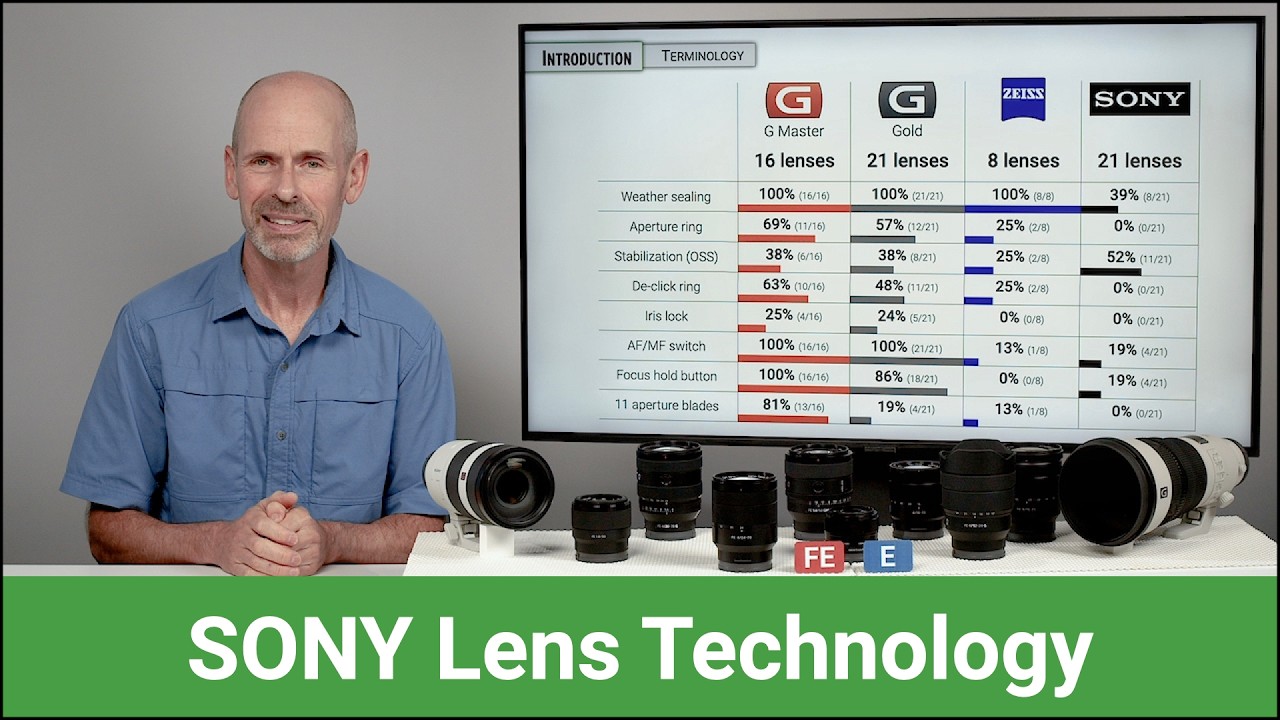
When I first started seriously shopping Sony glass, I did what most people do: I filtered by price, squinted at sample images, and then got completely lost in the alphabet soup printed on the barrel. FE. G. GM. Zeiss T*. I had no idea which letters actually mattered for my shooting and which ones were just Sony marketing their way into my wallet. Every forum thread I found either assumed I already knew or dissolved into brand wars.

What a Tilt-Shift Lens Actually Does (And Why You Should Rent One Before You Buy)

What a Tilt-Shift Lens Actually Does (And Why You Should Rent One Before You Buy)

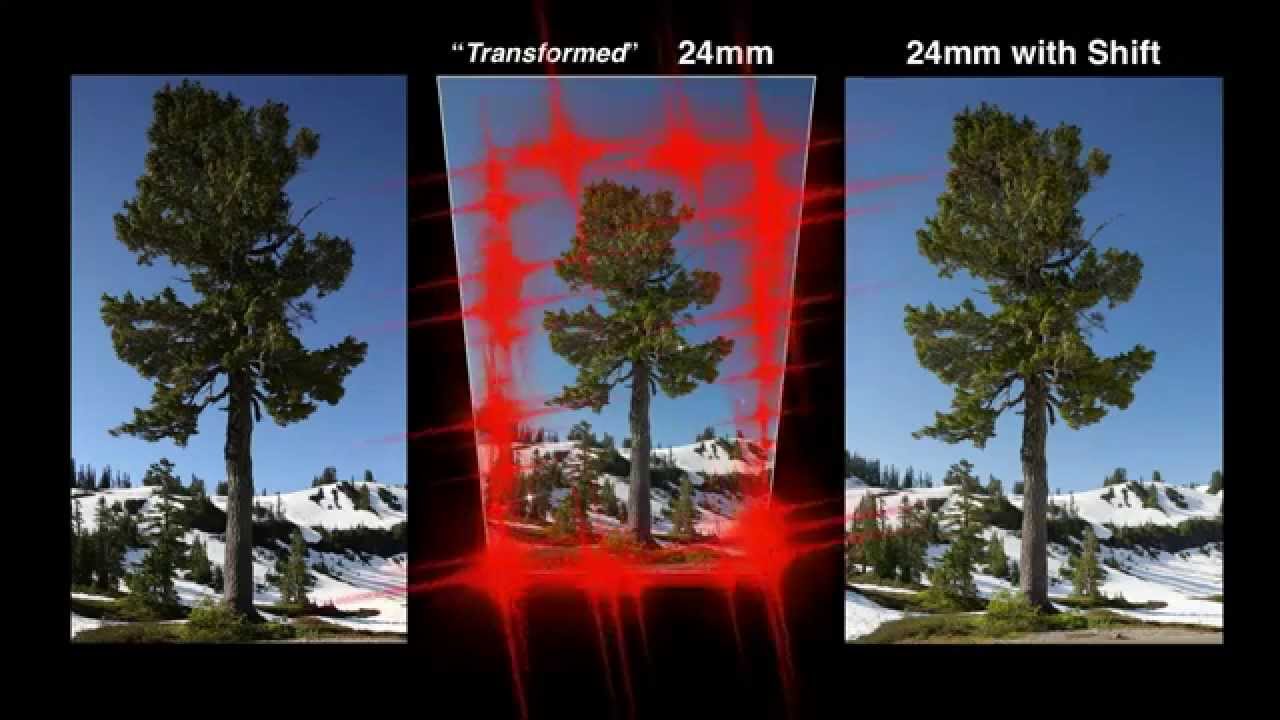
Most photographers never touch a tilt-shift lens. They’re expensive, they’re manual-everything, and the learning curve is steep enough that most people just skip them entirely. I get it. For years I filed them under “gear I’ll worry about when I’m rich,” right next to medium format backs and cinema-grade gimbals. But I kept running into situations where my shots of tall trees, building interiors, and wide landscape scenes looked just slightly wrong, and I couldn’t fix it cleanly in post without weird stretching artifacts.

35mm vs 20mm vs 24mm: A Real Shooter's Guide to Picking Your One Lens

35mm vs 20mm vs 24mm: A Real Shooter's Guide to Picking Your One Lens

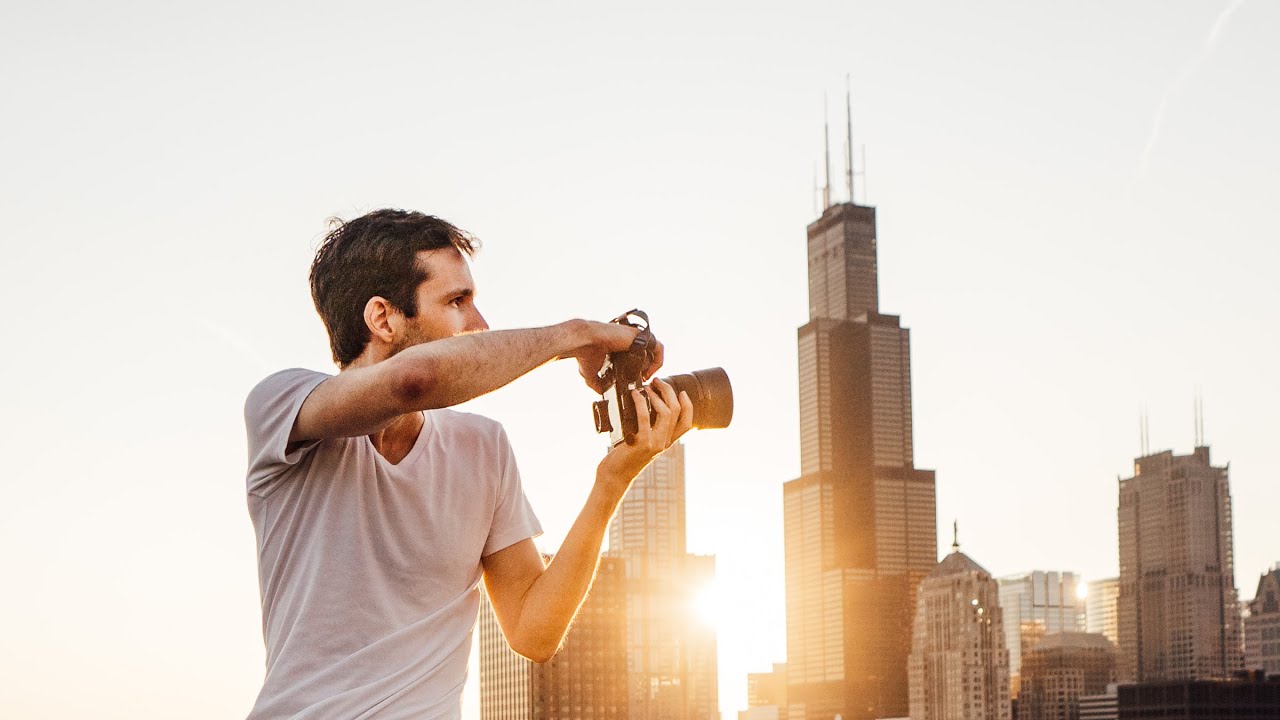
One question shows up in every photography forum, every beginner Facebook group, every comment section I’ve ever been in: “Which lens should I buy first?” I’ve answered it so many times I basically have a copy-paste response saved. But the honest answer isn’t a product recommendation. It’s a process. And watching Pierre T. Lambert work through exactly this question on a Chicago rooftop shoot helped me articulate that process better than I ever had before.

Tilt-Shift Lenses Explained: What They Actually Do to Your Plane of Focus

Tilt-Shift Lenses Explained: What They Actually Do to Your Plane of Focus

I’ve spent years telling people that expensive gear is mostly marketing. But tilt-shift lenses are one of those cases where the tool genuinely does something no other tool can do, and I’ve been meaning to properly sit down and understand the mechanics rather than just knowing the rough idea. The problem I kept running into was landscapes. Flowers or grass in the foreground, mountains or trees in the background, and no matter how aggressively I stopped down, something was always soft.

Joel Grimes' 5 Portrait Lenses Ranked — And the One Budget Pick That Outpunches Its Price Tag

Joel Grimes' 5 Portrait Lenses Ranked — And the One Budget Pick That Outpunches Its Price Tag

I’ve spent more hours than I care to admit arguing with myself over which lens to mount before a portrait session. The usual internet advice sends you straight toward an 85mm prime and a four-figure price tag, as if that’s the only path to a sharp, beautiful portrait. What actually moved the needle for me was watching working photographers talk through what’s actually sitting in their bags, not what’s on their wish list.