One Lens, Every Shot: Why the Tamron 18-300mm Might Be the Smartest Buy for APS-C Shooters

One Lens, Every Shot: Why the Tamron 18-300mm Might Be the Smartest Buy for APS-C Shooters

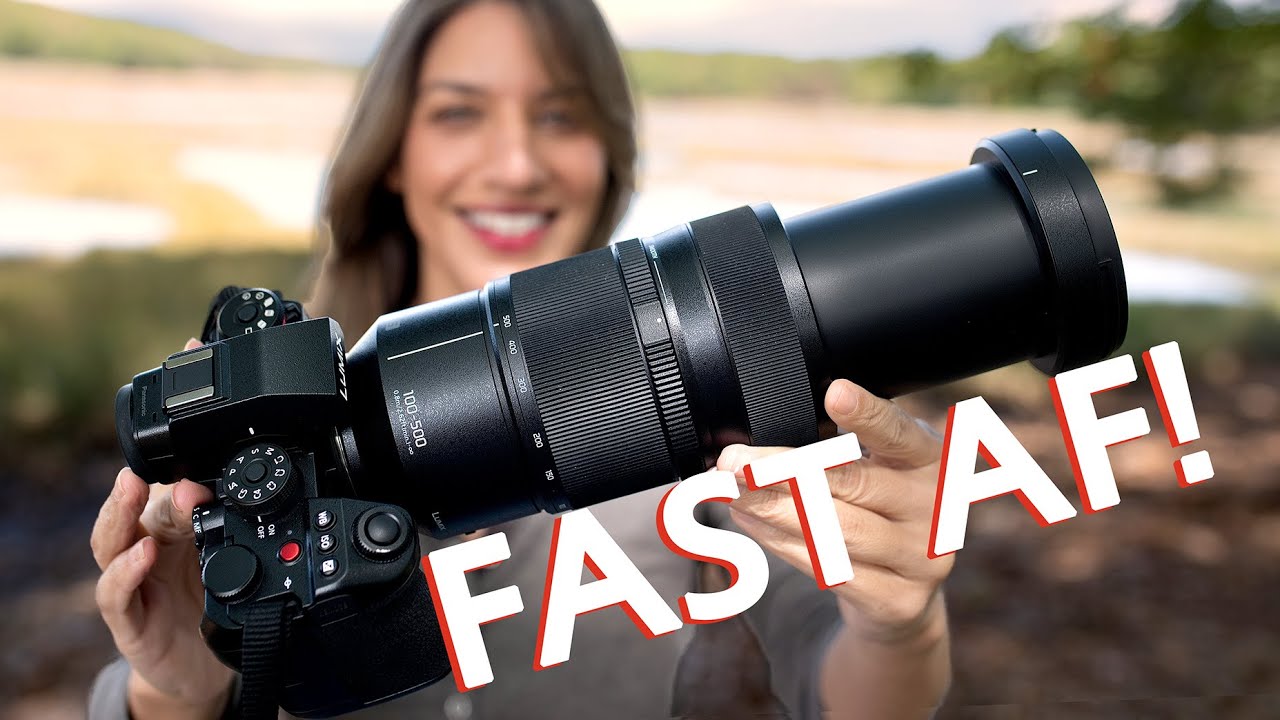
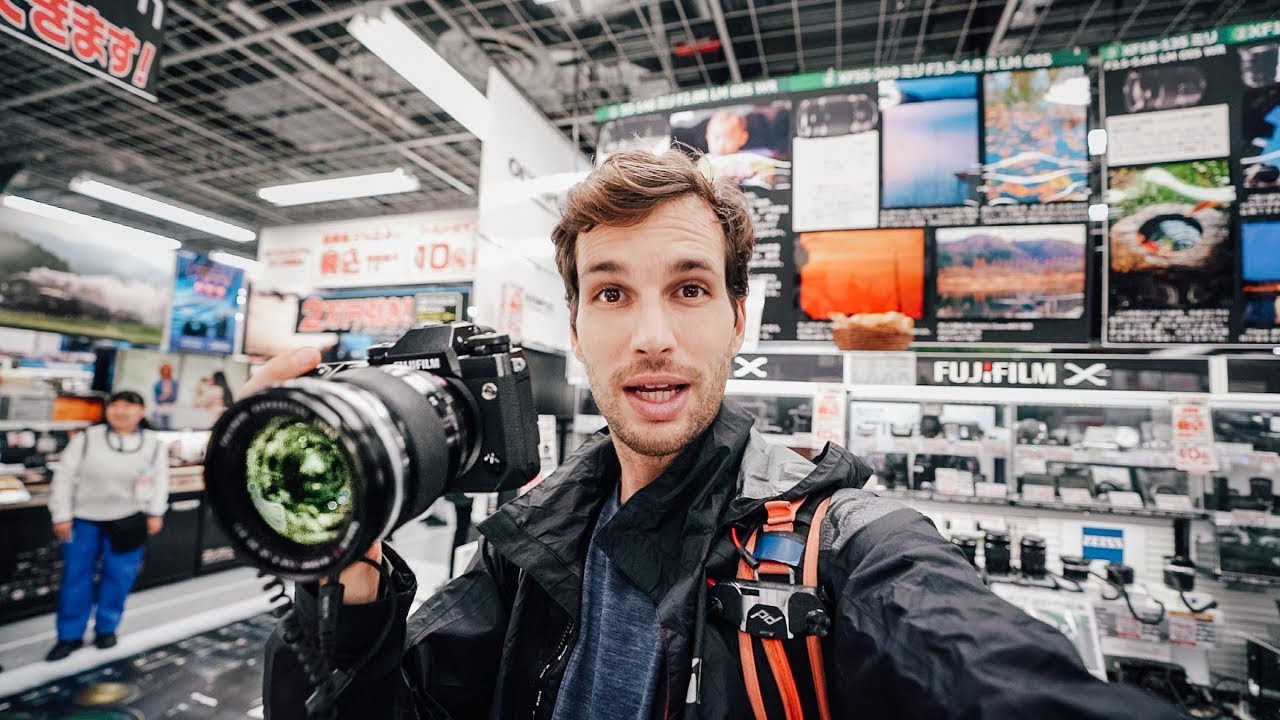
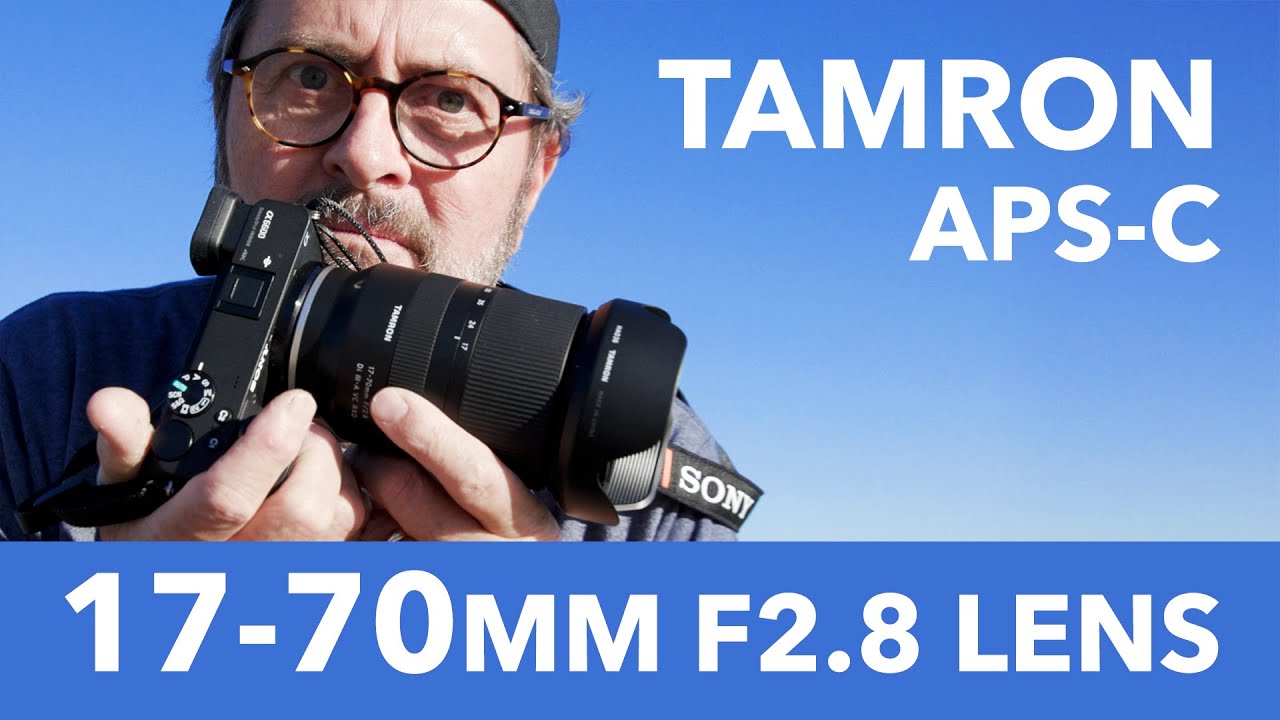
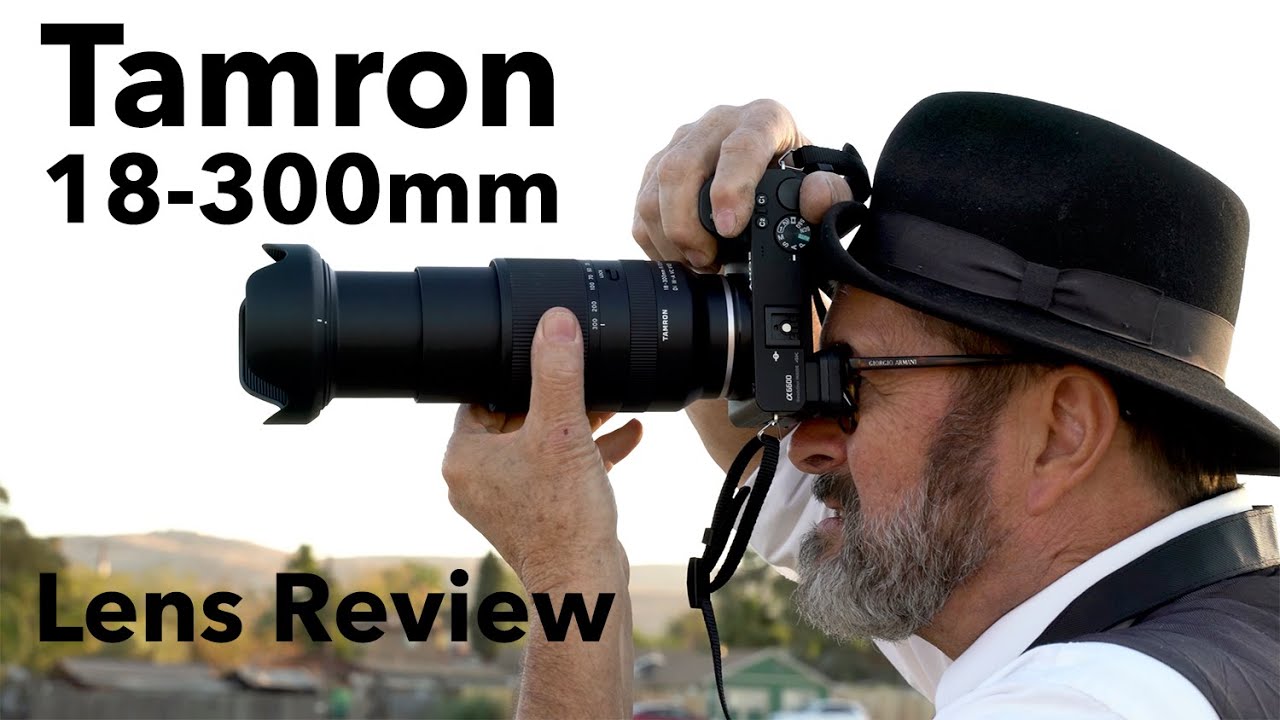
I’ll be honest: superzoom lenses have a reputation problem. Photographers who’ve spent years chasing prime sharpness tend to dismiss them as a compromise. But when you’re trying to cover a wide-open festival, portrait setups, street scenes, and low-light architecture all in the same afternoon, hauling a bag full of primes is its own kind of compromise. The question worth asking isn’t “is this lens perfect?” It’s “does this lens solve a real problem?

The 50mm f/1.4 Is the Only Lens Most Photographers Actually Need — Here's Why a Pro Agrees

The 50mm f/1.4 Is the Only Lens Most Photographers Actually Need — Here's Why a Pro Agrees

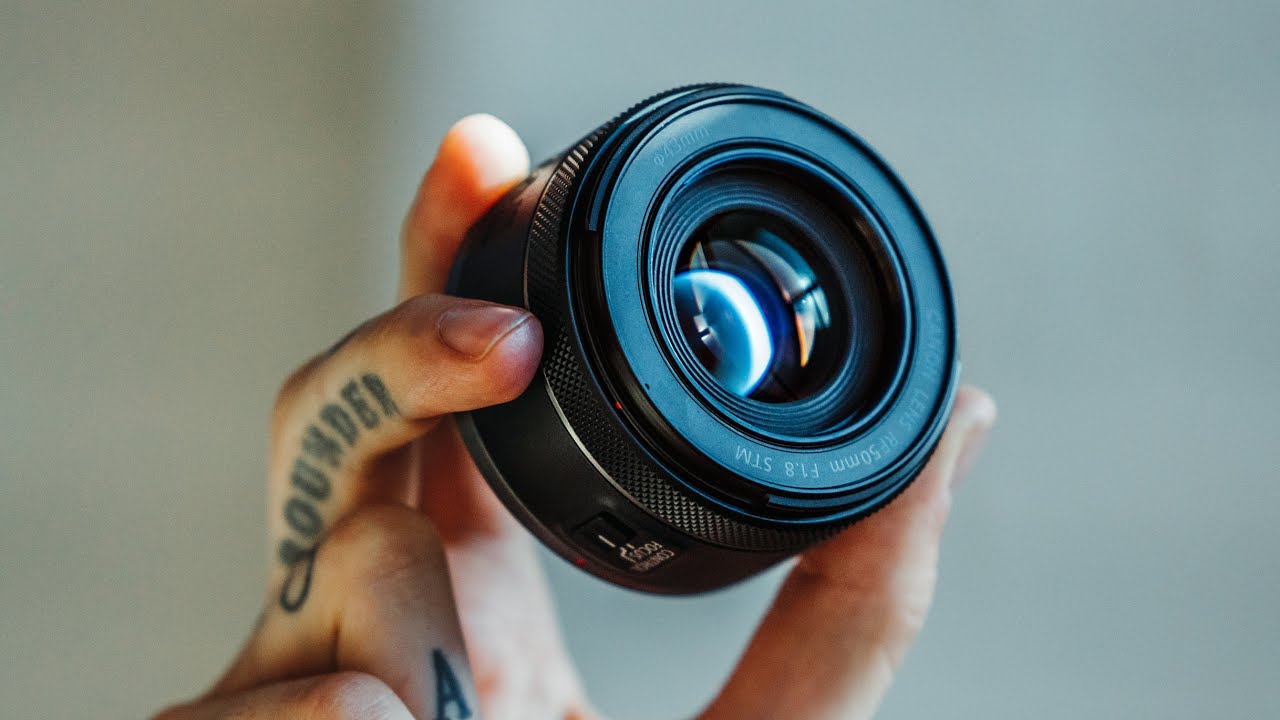
I’ve built most of my gear philosophy around one uncomfortable truth: photographers consistently overspend on glass they don’t need. I tracked my own lens usage for three months using a spreadsheet and found that roughly 80 percent of my keepers came from a single focal length. That didn’t surprise me. What surprised me was how many working photographers I talked to had the same result and still kept reaching for more exotic, more expensive glass out of habit or ego.

The 3 Portrait Lenses Working Pros Actually Reach For (And What to Buy If You're on a Budget)

The 3 Portrait Lenses Working Pros Actually Reach For (And What to Buy If You're on a Budget)

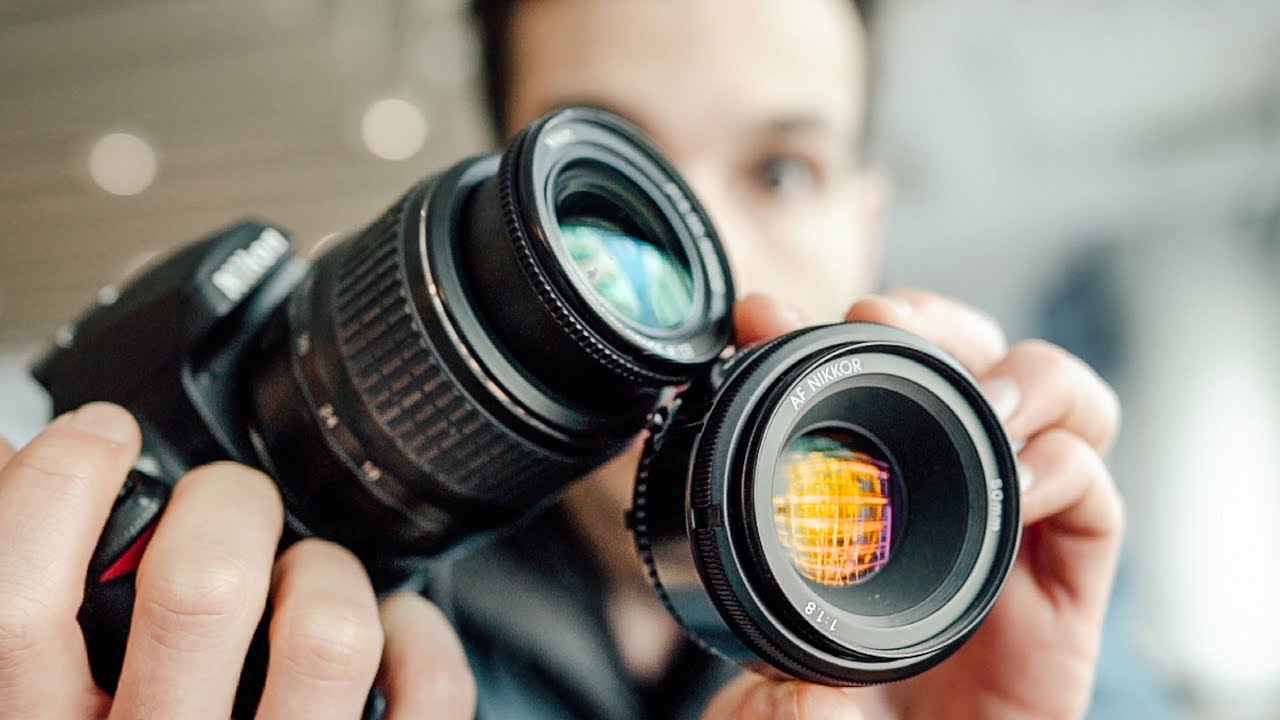
I used to think portrait photography was mostly about lighting and posing. Then I shot a friend’s engagement session with a kit zoom and spent two hours in Lightroom trying to fix flat, lifeless images that no amount of editing could fully save. The lens matters. Not because expensive glass makes you a better photographer, but because the wrong focal length, the wrong aperture, or a lens with bad contrast handling will cost you shots you can never reshoot.

Viltrox 55mm f/1.8 EVO APO Finally Proves Budget Lenses Don't Have to Be Compromises

Viltrox 55mm f/1.8 EVO APO Finally Proves Budget Lenses Don't Have to Be Compromises

Stop Sleeping on Viltrox I’ll be honest—I’ve been skeptical of budget lens brands for years. Not out of snobbery, but because I’ve seen too many “affordable” options that just move your problems around instead of solving them. You save $300 on the sticker price and spend it on frustration. But I need to eat my words. Viltrox’s new 55mm f/1.8 EVO APO is legitimately good, and I’m not using that phrase lightly.

Sony 12-24mm f/2.8 GM: Is It Actually Worth the Pain of That Price Tag?

Sony 12-24mm f/2.8 GM: Is It Actually Worth the Pain of That Price Tag?

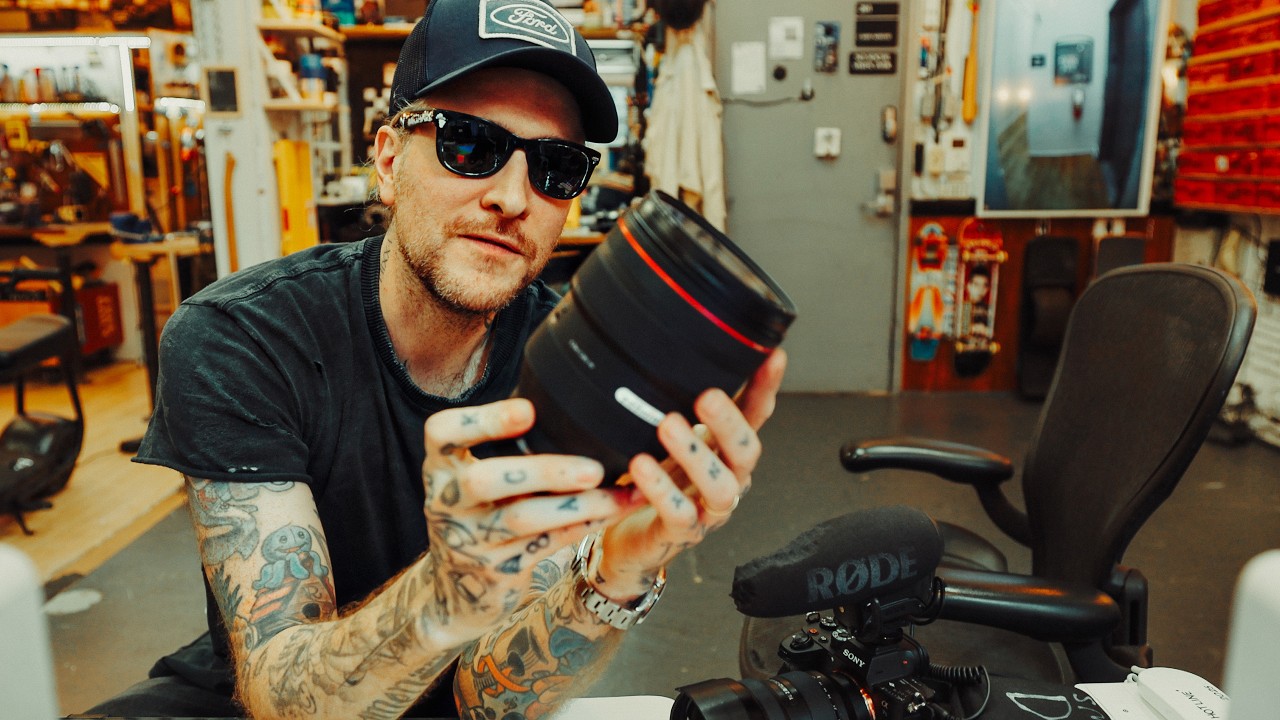
I’ll be upfront: I spend most of my time testing lenses that cost under $400. That’s my lane. But I keep a close eye on what working landscape photographers are actually using in the field, because understanding the top-tier options is the only way to know whether a budget alternative is actually worth your money or whether you’re just kidding yourself. That’s how I landed on this breakdown from William Patino, a landscape photographer who has owned and shot with the Sony 12-24mm f/2.

The Viltrox 56mm f/1.2 Pro Challenges Fujifilm's Premium Pricing on X-Mount

The Viltrox 56mm f/1.2 Pro Challenges Fujifilm's Premium Pricing on X-Mount

The Portrait Lens Showdown Nobody Expected Finding the right portrait lens for Fujifilm X-mount used to be straightforward: you bought what Fujifilm offered or you dealt with adapted glass. But the landscape has shifted dramatically, and I’m genuinely intrigued by what’s happening in this corner of the market right now. The real tension point? We’re looking at a $580 Viltrox AF 56mm f/1.2 Pro versus Fujifilm’s own 56mm f/1.2 WR sitting at nearly double that price.

The Viltrox 50mm f/1.4 Pro Proves Budget Glass Can Hang With the Big Dogs

The Viltrox 50mm f/1.4 Pro Proves Budget Glass Can Hang With the Big Dogs

There’s a growing trend in the camera industry: stop paying premium prices for lenses that do the same job as budget alternatives. The Viltrox 50mm f/1.4 Pro is exactly the kind of gear that’s forcing this conversation. I’ve spent the last several months running this lens through its paces on actual assignments—newspaper work, client portraits, event coverage. You know, the stuff that matters. The kind of shooting that separates gear that merely impresses in test shots from equipment that genuinely earns its place in your bag.