How to Shoot Outdoor Portraits with a 24-70mm Lens (What Jessica Kobeissi's Detroit Shoot Actually Teaches You)

How to Shoot Outdoor Portraits with a 24-70mm Lens (What Jessica Kobeissi's Detroit Shoot Actually Teaches You)

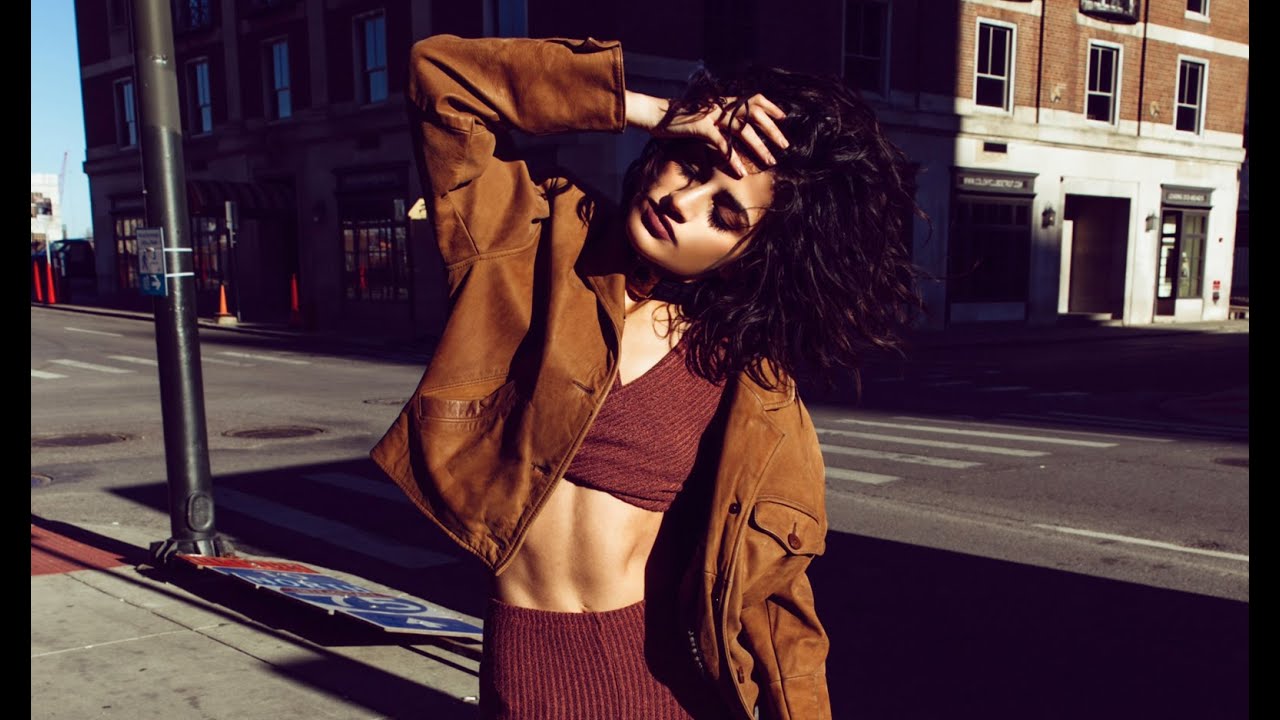
The 24-70mm is the lens I get asked about more than any other. People want to know if it’s worth the price jump over a nifty fifty or a kit zoom, and honestly, the specs alone won’t answer that. What answers it is watching someone actually use one under real conditions, making real decisions, dealing with harsh midday sun and chaotic urban environments. That’s exactly what hooked me on this Jessica Kobeissi tutorial, where she takes a 24-70mm out into the streets of Detroit for a full outdoor model shoot.
Checkerboard Lighting: How to Use Background Light for Dramatic Portraits

Checkerboard Lighting: How to Use Background Light for Dramatic Portraits

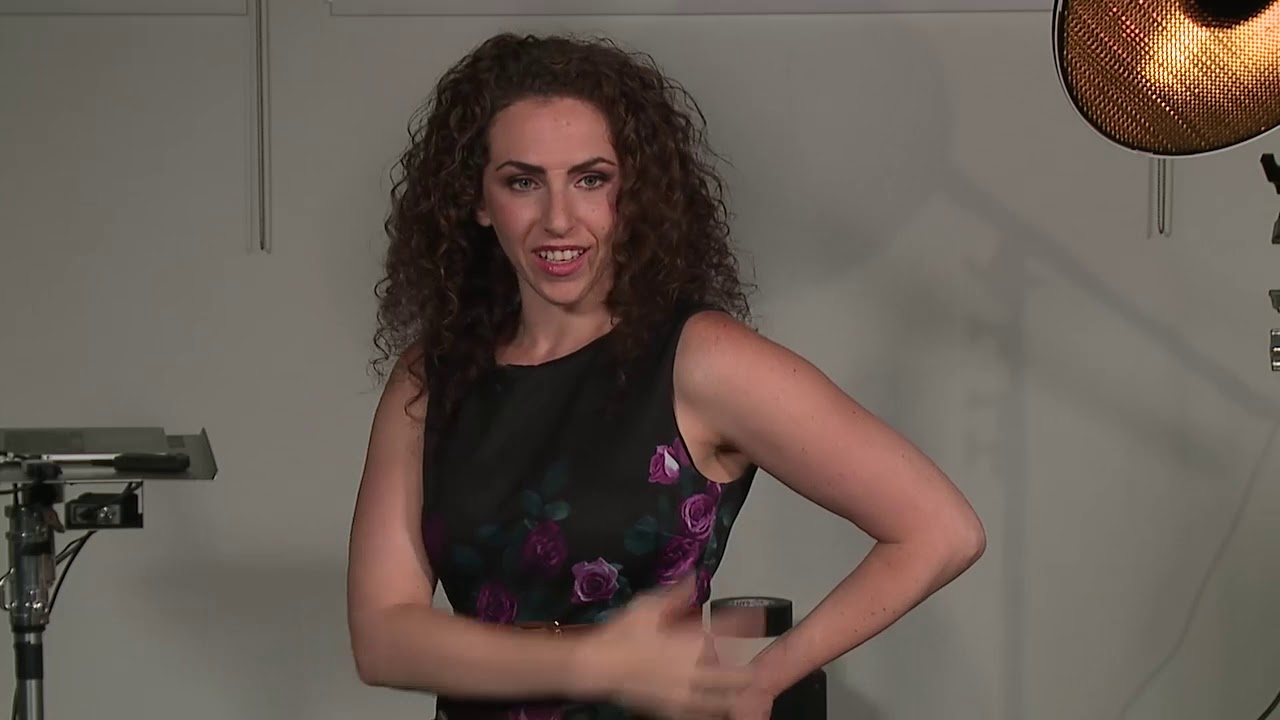
Background light is one of those things I ignored for an embarrassingly long time. My subject would look fine on camera, but something always felt flat about the image. The shadow side of a face would just dissolve into the background like the person was being swallowed by the frame. I kept thinking it was a posing problem or a post-processing problem. It wasn’t. It was a separation problem, and the fix lives in how you think about your background.

How to Actually See with a Telephoto Lens (Most Landscape Photographers Never Learn This)

How to Actually See with a Telephoto Lens (Most Landscape Photographers Never Learn This)

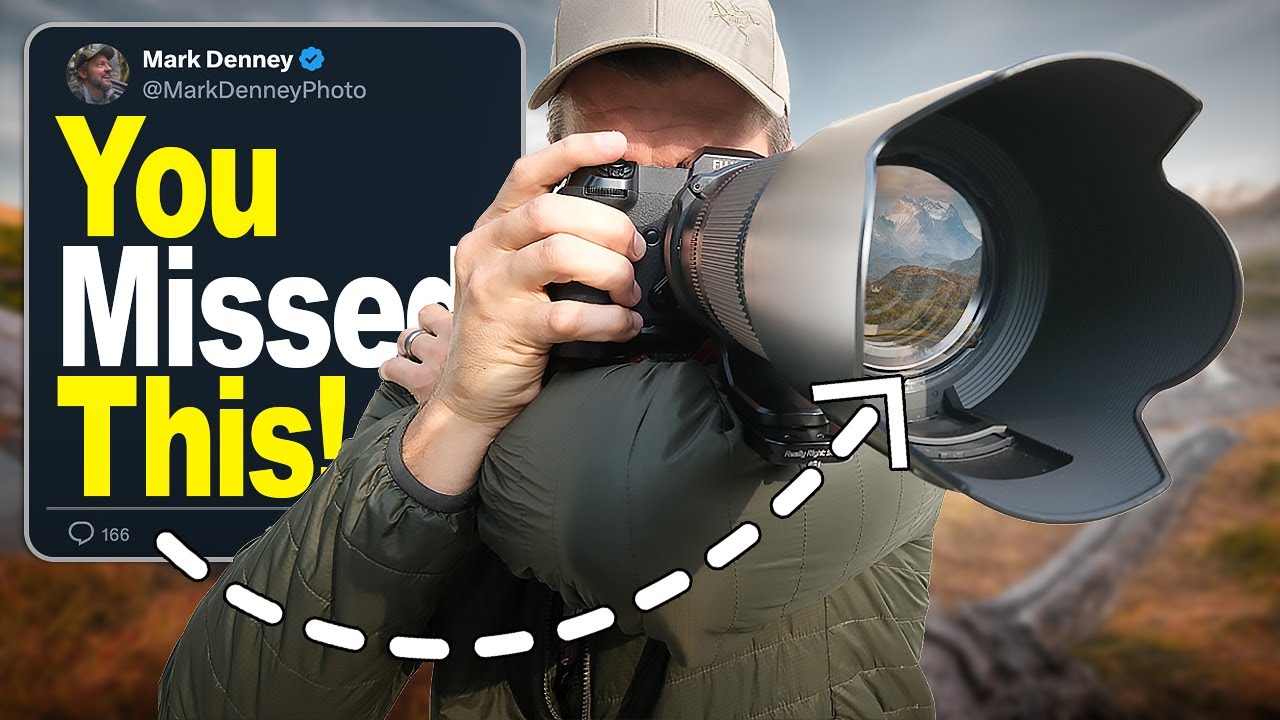
I spent way too long treating my telephoto lens like a specialty item I only reached for when something was far away. Wide angle on, walk around, find a composition, done. The telephoto stayed in the bag unless I spotted a bird or a distant mountain peak I wanted to pull in. Sound familiar? The problem wasn’t the gear. I’ve tested enough budget telephotos to fill a spreadsheet, and even the cheap ones are optically capable of stunning landscape shots.

7 Wide Angle Lens Habits That Actually Make Your Shots Look Intentional

7 Wide Angle Lens Habits That Actually Make Your Shots Look Intentional

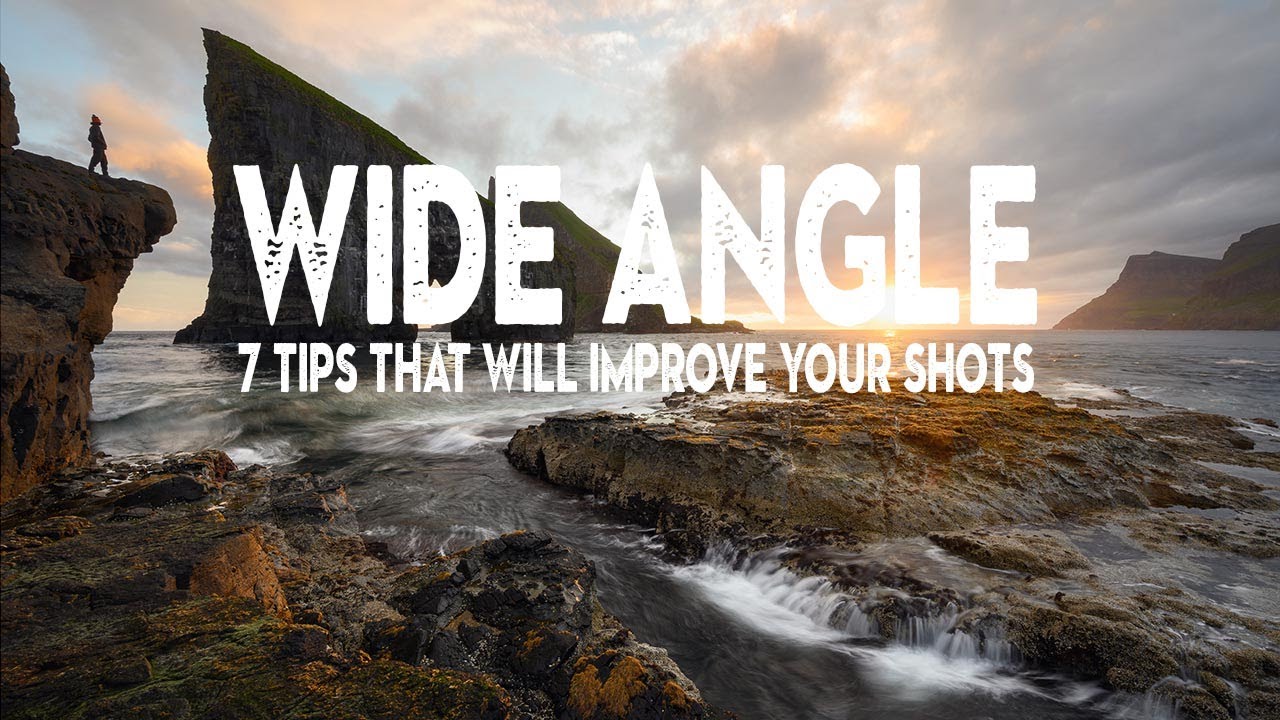
Wide angle lenses are one of those purchases that feel exciting in the cart and humbling in the field. I’ve tested more budget wide angles than I care to admit - there’s a whole tab in my gear spreadsheet dedicated to them - and the honest truth is that the lens itself is rarely the problem. Technique is. I’d hand someone a $200 wide angle and watch them produce flat, lifeless images, then hand the same lens to someone who understood how to use the field of view, and suddenly it looked like a completely different piece of glass.

What Happens When Two Photographers Swap Lenses Mid-Shoot (And What It Teaches You About Your Own Glass)

What Happens When Two Photographers Swap Lenses Mid-Shoot (And What It Teaches You About Your Own Glass)

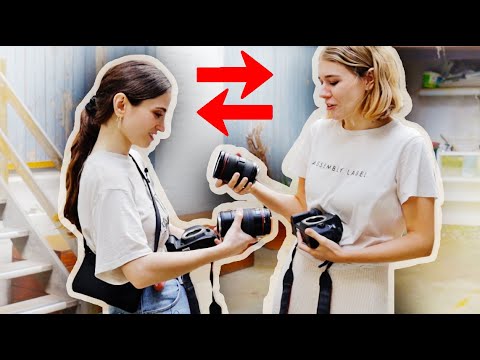
I spend a lot of time thinking about lenses in terms of specs and price points. That’s the job. But there’s a different kind of lens education that no MTF chart can give you, and it only happens when you’re forced to shoot with glass that doesn’t match how your brain works. That’s the real lesson hiding inside this Jessica Kobeissi tutorial, where she and beauty photographer Kaylee swap lenses entirely and each tries to shoot in the other’s style.

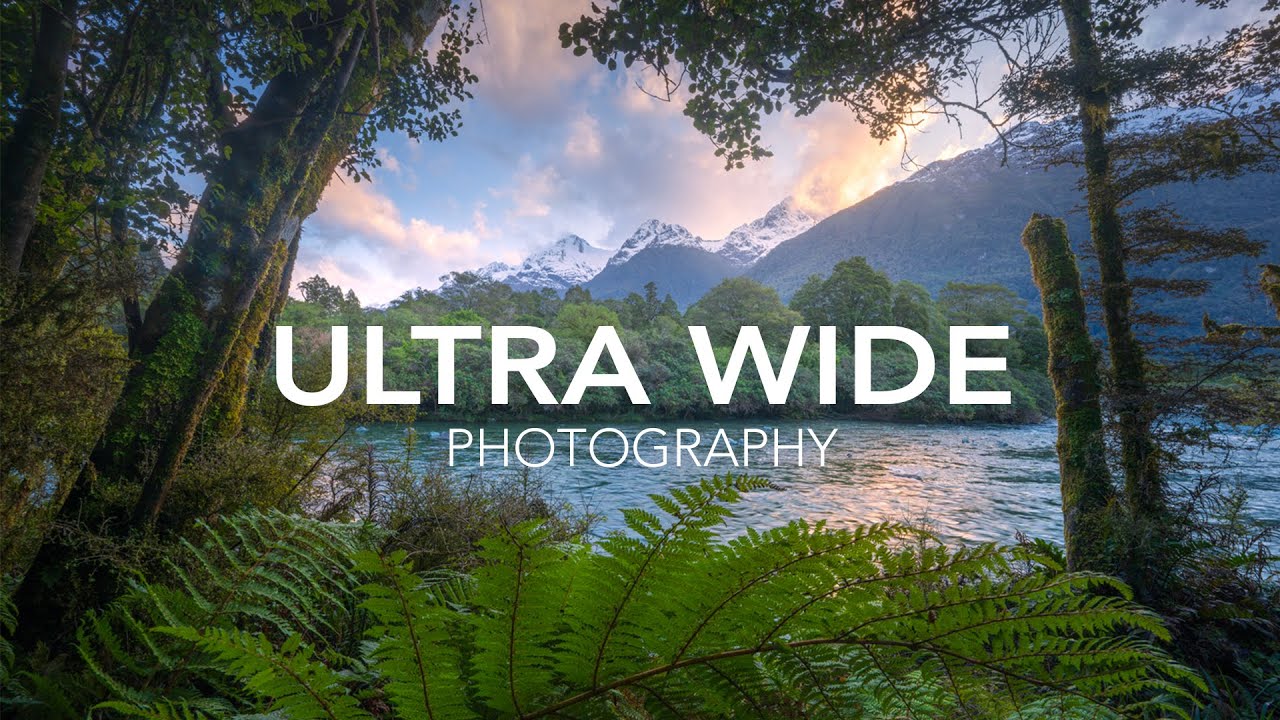
Wide Lens Landscape Shooting in Snow: What This New Zealand Winter Scene Teaches About Light, Framing, and Patience

Wide Lens Landscape Shooting in Snow: What This New Zealand Winter Scene Teaches About Light, Framing, and Patience

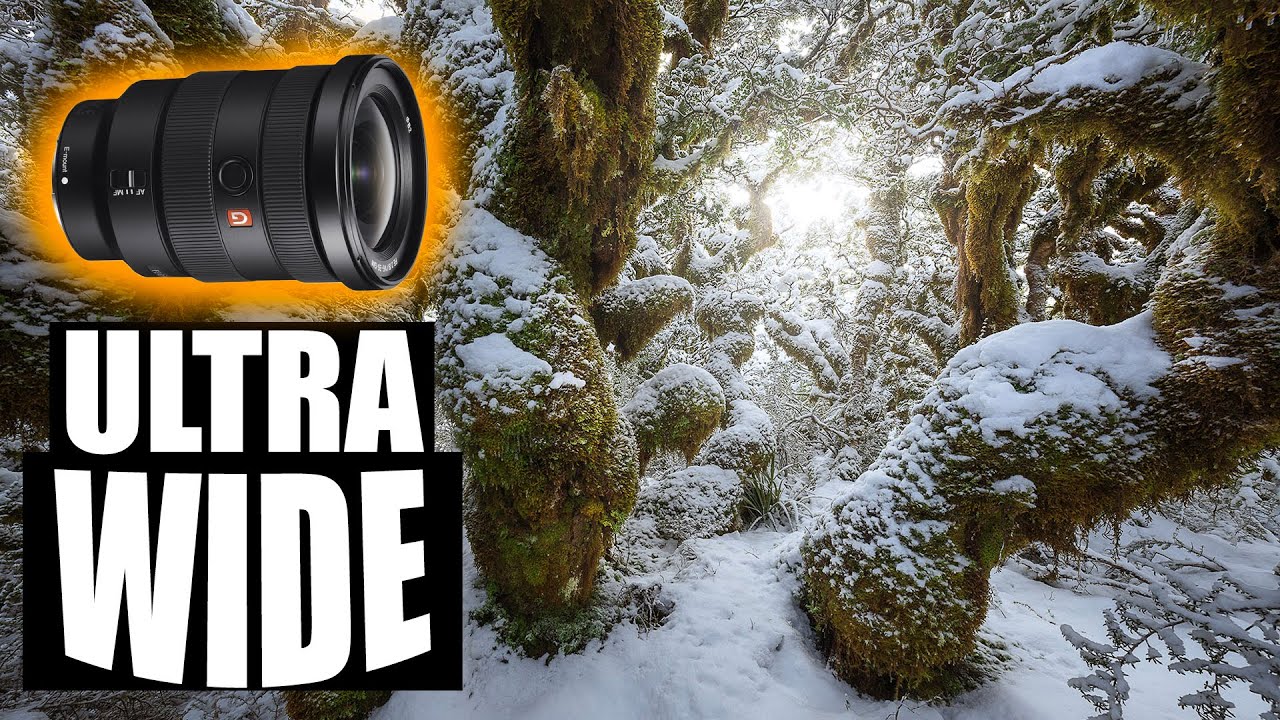
Wide lenses punish lazy composition. That’s the honest truth I’ve had to sit with since I started doing serious landscape work. A telephoto can compress a mediocre scene into something that looks intentional. A wide lens at 16mm in a forest full of snow-covered trees will expose every weak framing decision you make. So when I came across a tutorial that spends real time in a real winter environment showing how to think through wide-angle landscape shots, I paid attention.

Two Lights, One Reflector, Zero Excuses: A Simple Portrait Setup That Actually Works

Two Lights, One Reflector, Zero Excuses: A Simple Portrait Setup That Actually Works

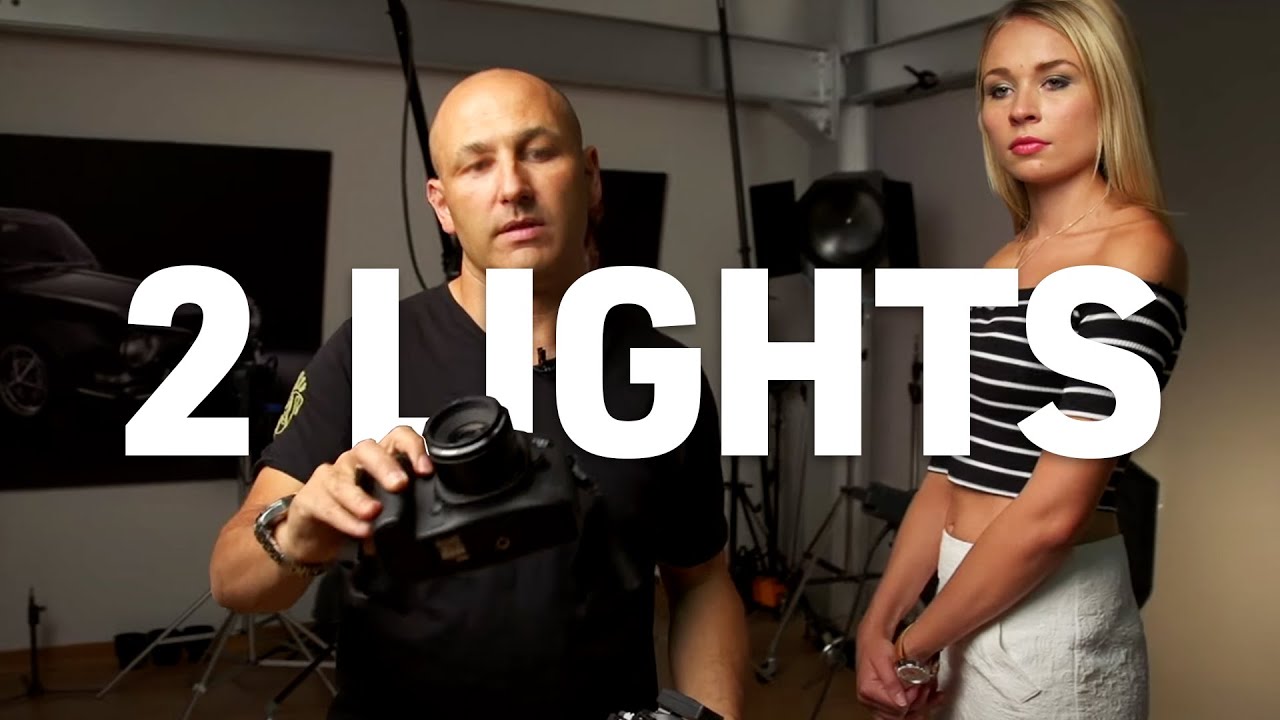
I’ve done the blind test. I’ve stood in a room full of photographers and watched them fail to pick out which portrait came from a $500 camera and which came from a $2,000 one. Every time, the conversation eventually lands in the same place: it was the light. Not the sensor. Not the glass. The light. That’s why this particular tutorial from Visual Education stopped my morning scroll cold. It strips a portrait setup down to two lights and a piece of foam board, then shoots the same subject on a high-end Canon 5D and a budget Olympus mirrorless camera to prove the point.

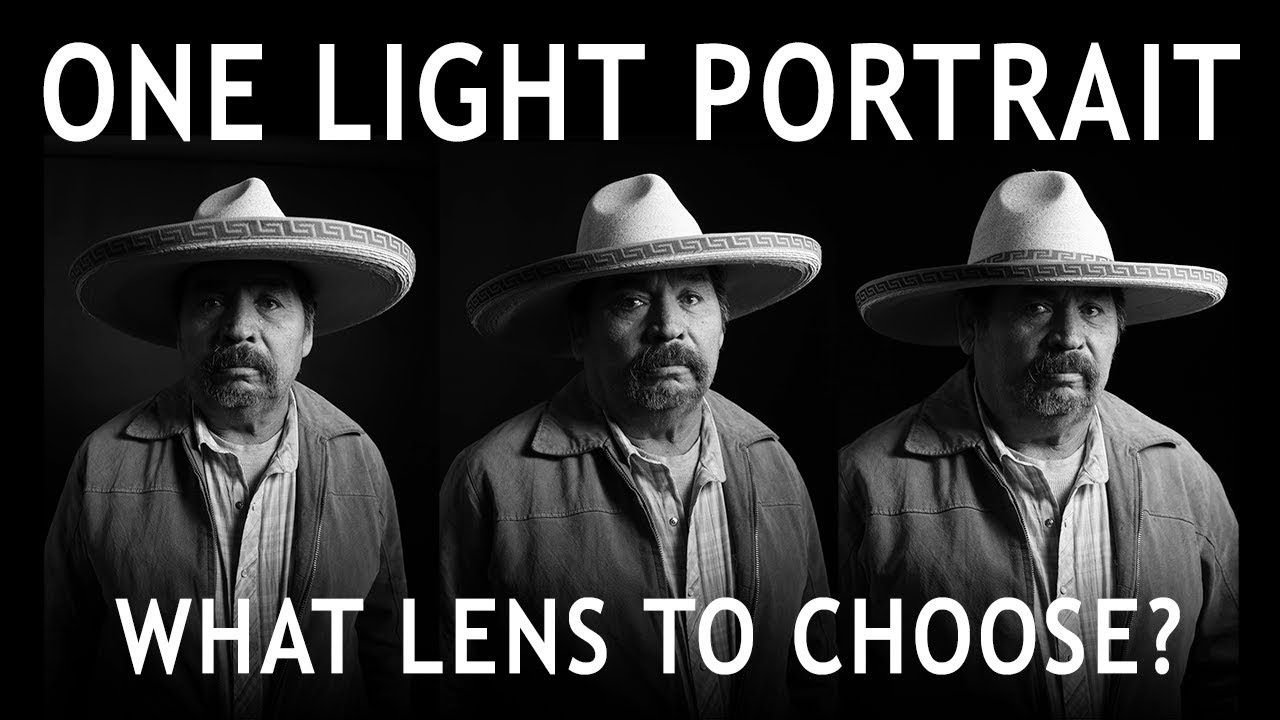
Which Lens Actually Wins for One-Light Portraits? A Breakdown of The Slanted Lens Tutorial

Which Lens Actually Wins for One-Light Portraits? A Breakdown of The Slanted Lens Tutorial

I’ve tested more budget lenses than I care to admit - there’s literally a spreadsheet on my desktop right now with 34 entries. But for a long time, I defaulted to whatever was in my bag without really thinking hard about why a specific focal length was the right call for a portrait session. That changed when I started paying closer attention to how focal length shapes the face, not just the frame.

How to Actually Use a Wide Angle Lens for Landscape Photography (Without Wasting a Shot)

How to Actually Use a Wide Angle Lens for Landscape Photography (Without Wasting a Shot)

Wide angle lenses are one of those purchases I see people regret constantly. Not because the glass is bad, but because they grab a 12mm or 14mm, point it at a mountain, and wonder why the shot looks flat and uninteresting. The mountain is tiny. The foreground is dead space. Nothing works. I’ve been there. Most of us have. What changed things for me was understanding that a wide angle lens isn’t a “fit more stuff in” tool.

Tilt-Shift Lenses Explained: What They Actually Do to Your Plane of Focus

Tilt-Shift Lenses Explained: What They Actually Do to Your Plane of Focus

I’ve spent years telling people that expensive gear is mostly marketing. But tilt-shift lenses are one of those cases where the tool genuinely does something no other tool can do, and I’ve been meaning to properly sit down and understand the mechanics rather than just knowing the rough idea. The problem I kept running into was landscapes. Flowers or grass in the foreground, mountains or trees in the background, and no matter how aggressively I stopped down, something was always soft.

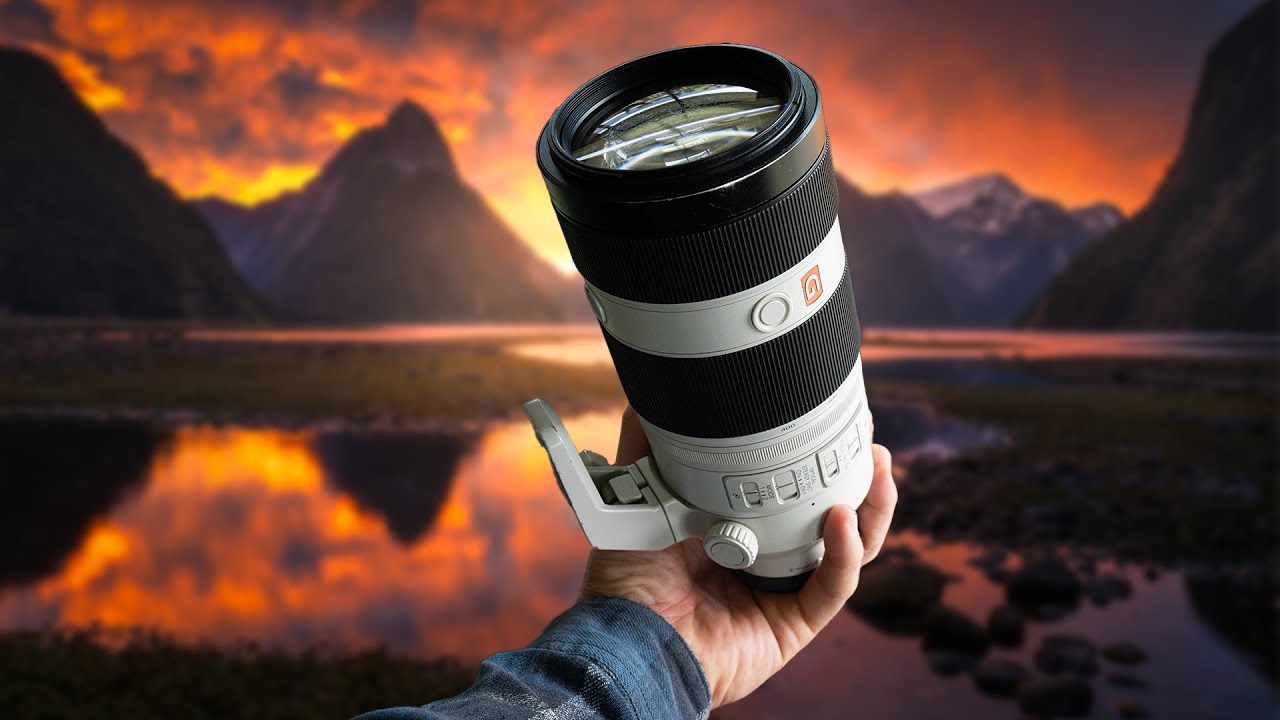
Stop Shooting Wide: Why a Telephoto Lens Might Be Your Best Landscape Tool

Stop Shooting Wide: Why a Telephoto Lens Might Be Your Best Landscape Tool

Most landscape photographers reach for their widest lens by default. I did the same thing for years. Wide angle captures the sweeping scene, the dramatic sky, the sense of being there — but it also captures the ugly parking lot edge, the boring middle ground, and the dead space that kills an otherwise strong shot. The result looks like a postcard nobody wants to send. I’ve been testing budget telephoto options lately for an upcoming lens roundup, and I needed a clearer framework for actually using them in the field rather than just pixel-peeping test charts.

How to Shoot Panning Shots That Actually Look Intentional (Lessons from Death Valley's Race Track)

How to Shoot Panning Shots That Actually Look Intentional (Lessons from Death Valley's Race Track)

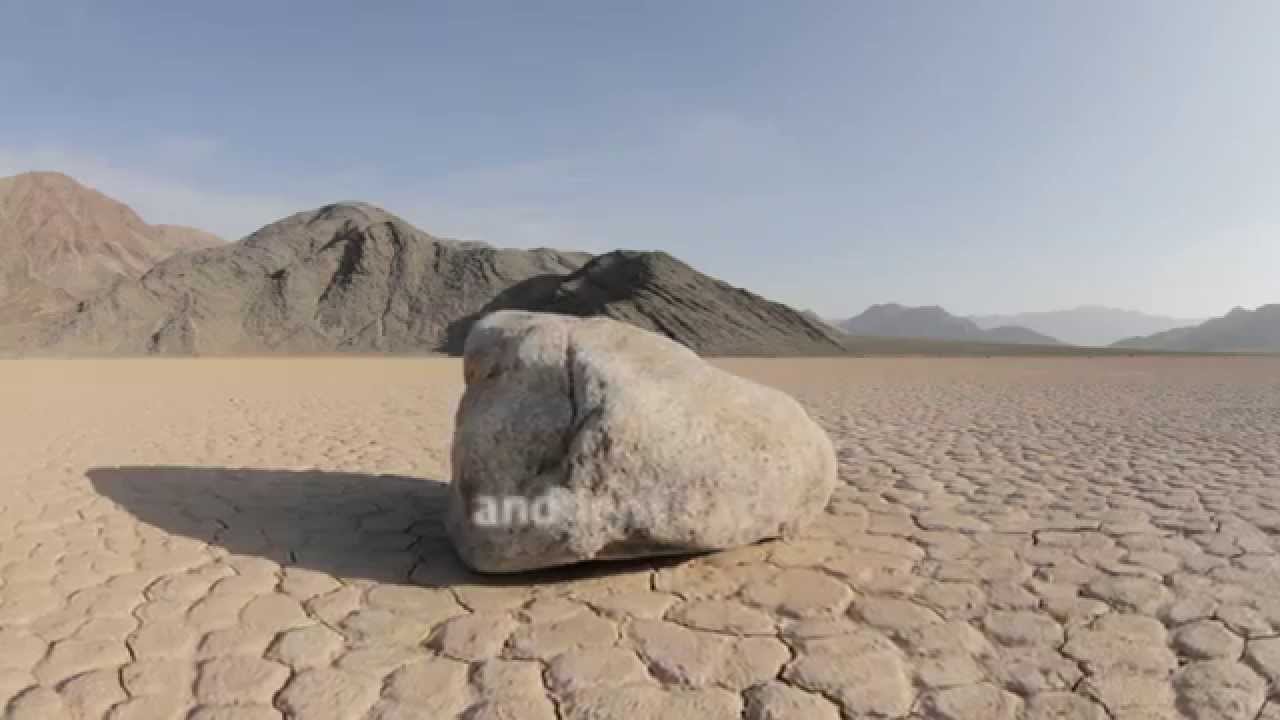
I’ve been chasing better panning shots for two years. Not race cars or sports, just moving subjects in landscape contexts, dust devils, tumbleweeds, the occasional cyclist cutting through a scene I’m already set up for. My keeper rate was embarrassing. I’d nail the blur on the background and get a subject that looked like it was shot through a shower door. Or I’d sharpen the subject and the background would look like I just had shaky hands.