How Tony & Chelsea Northrup Recreated Girl With a Pearl Earring (And What Every Portrait Shooter Can Steal From It)

How Tony & Chelsea Northrup Recreated Girl With a Pearl Earring (And What Every Portrait Shooter Can Steal From It)

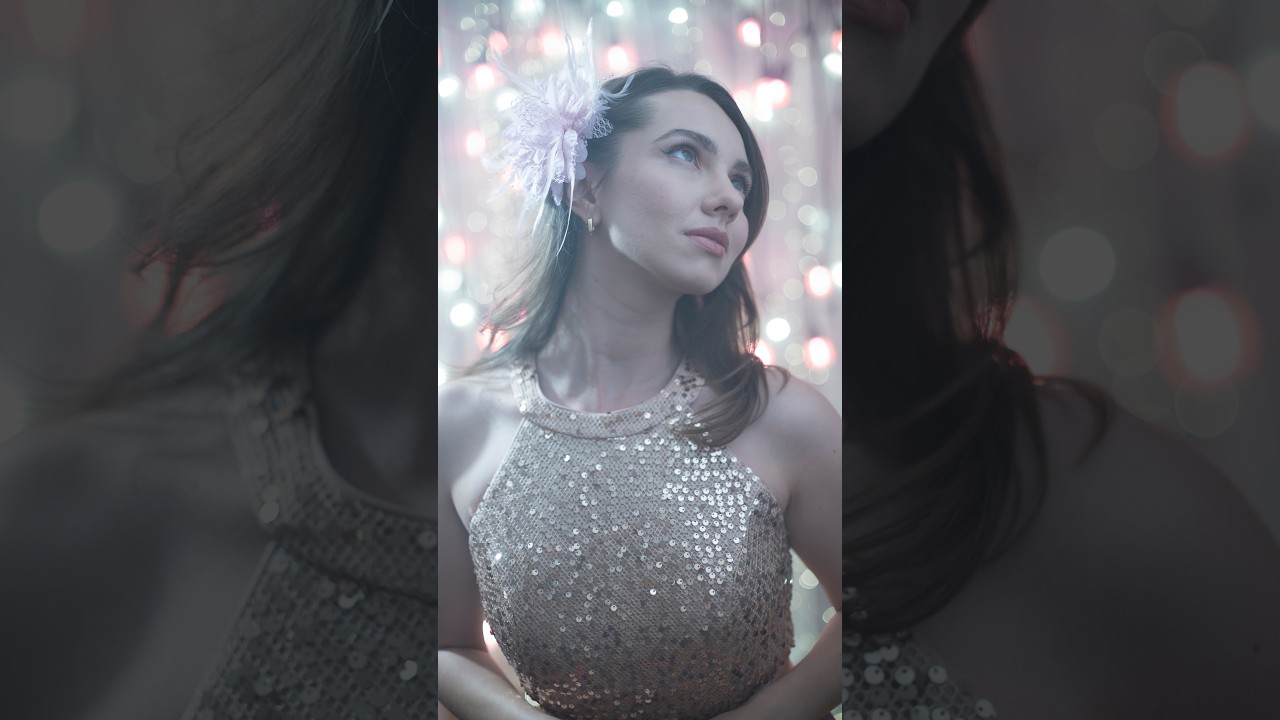
I spend a lot of my time thinking about constraints. Budget constraints, gear constraints, time constraints. What I don’t think about enough is using art as a creative constraint, and that’s exactly what flipped a switch for me when I watched this tutorial. There’s a specific problem portrait photographers run into constantly: shooting something that looks intentional rather than accidental. Replicating a painting forces every decision to have a reason. The angle of light, the color of fabric, the tilt of the head.
How to Shoot Outdoor Portraits with a 24-70mm Lens (What Jessica Kobeissi's Detroit Shoot Actually Teaches You)

How to Shoot Outdoor Portraits with a 24-70mm Lens (What Jessica Kobeissi's Detroit Shoot Actually Teaches You)

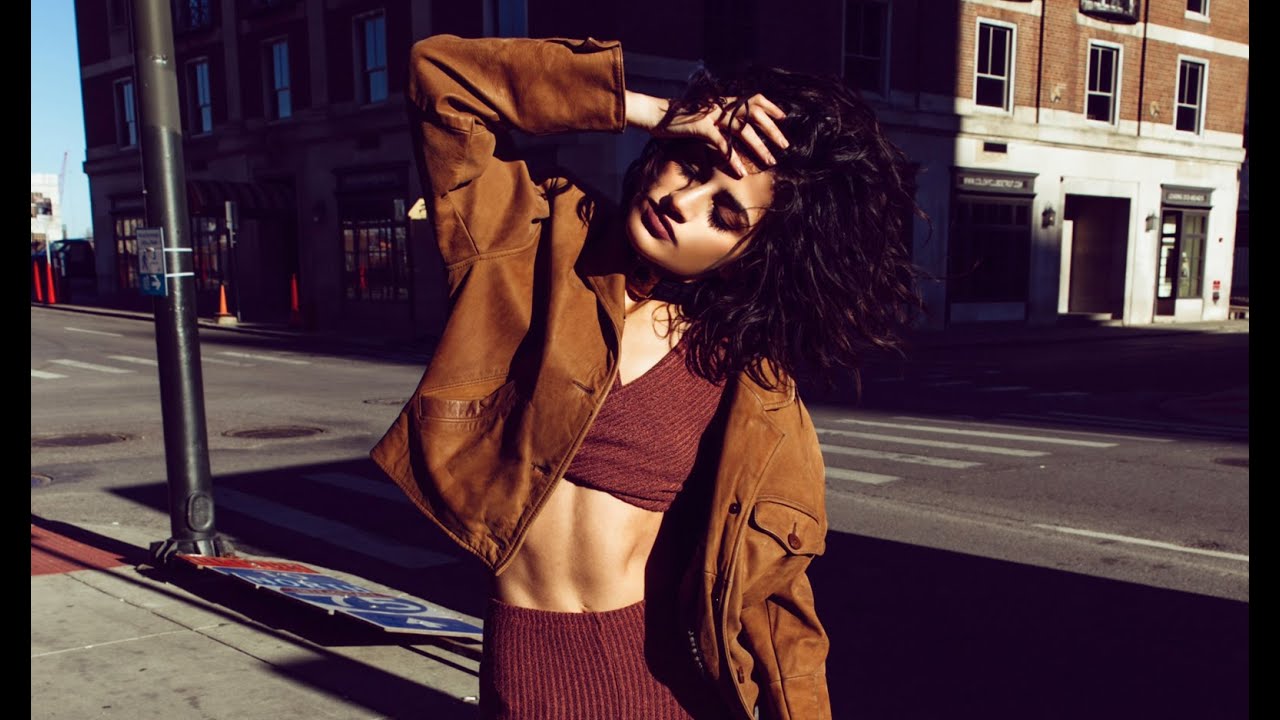
The 24-70mm is the lens I get asked about more than any other. People want to know if it’s worth the price jump over a nifty fifty or a kit zoom, and honestly, the specs alone won’t answer that. What answers it is watching someone actually use one under real conditions, making real decisions, dealing with harsh midday sun and chaotic urban environments. That’s exactly what hooked me on this Jessica Kobeissi tutorial, where she takes a 24-70mm out into the streets of Detroit for a full outdoor model shoot.

How to Shoot Lens Flare In-Camera for Portraits (No Photoshop Required)

How to Shoot Lens Flare In-Camera for Portraits (No Photoshop Required)

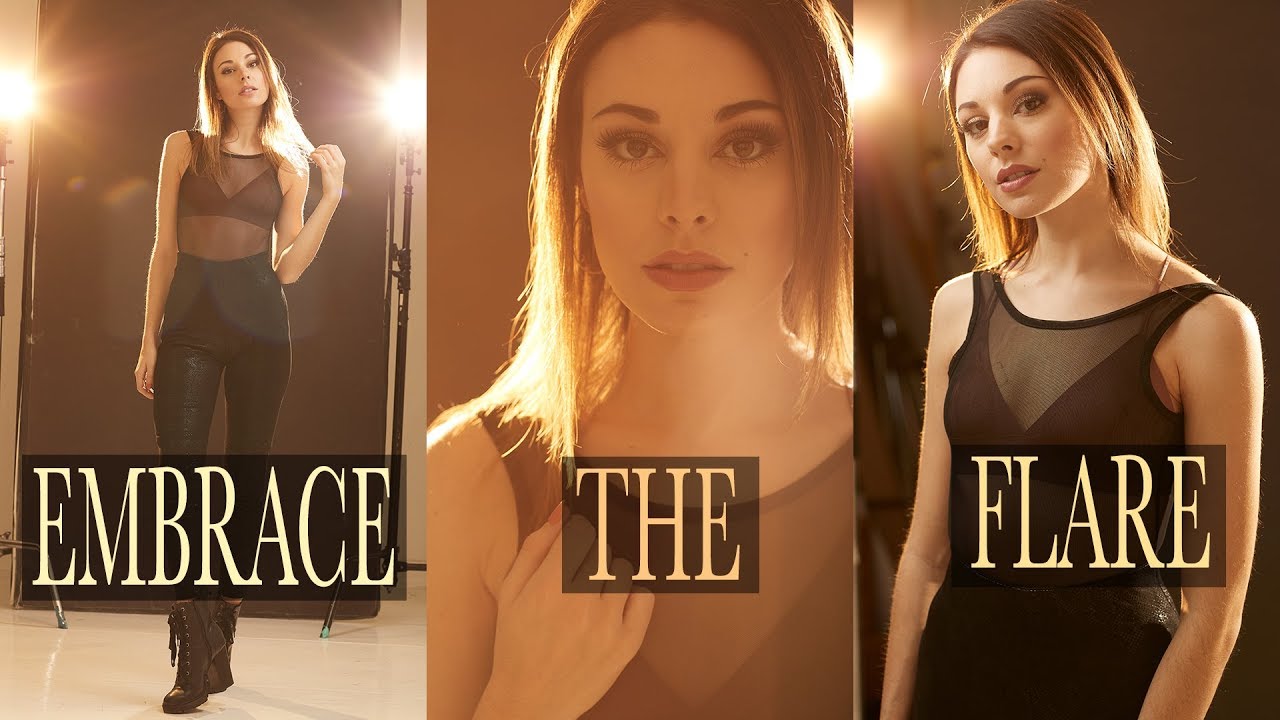
Most of the lens flare you see in portraits is faked in post. A few clicks in Lightroom, a flare overlay from some preset pack, and suddenly everything looks like a J.J. Abrams fever dream. I get it. It’s fast. But there’s a problem: fake flare looks flat. It sits on top of the image instead of living inside it, and anyone who shoots seriously can spot it. Real, in-camera flare has a quality to it that you just can’t replicate with a slider.

What Happens When Two Photographers Swap Lenses Mid-Shoot (And What It Teaches You About Your Own Glass)

What Happens When Two Photographers Swap Lenses Mid-Shoot (And What It Teaches You About Your Own Glass)

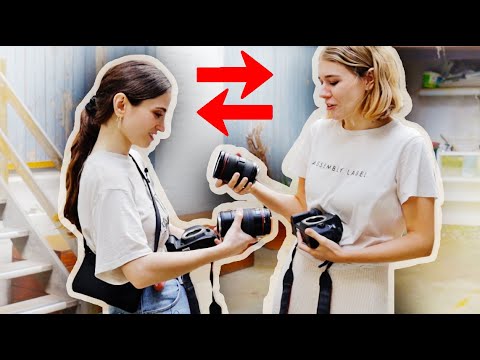
I spend a lot of time thinking about lenses in terms of specs and price points. That’s the job. But there’s a different kind of lens education that no MTF chart can give you, and it only happens when you’re forced to shoot with glass that doesn’t match how your brain works. That’s the real lesson hiding inside this Jessica Kobeissi tutorial, where she and beauty photographer Kaylee swap lenses entirely and each tries to shoot in the other’s style.

Canon FD vs. Nikkor vs. Pentax vs. Minolta: What 4 Vintage 50mm Lenses Actually Look Like on a Modern Sensor

Canon FD vs. Nikkor vs. Pentax vs. Minolta: What 4 Vintage 50mm Lenses Actually Look Like on a Modern Sensor

I spend a lot of time on eBay before breakfast. It’s a problem, or a system, depending on how you look at it. And one question I get constantly from readers is some version of: “I found a cheap vintage 50mm on eBay, is it actually worth buying?” My honest answer used to be “depends on the brand” — but that’s not good enough. Different vintage glass renders differently, and if you’re shooting portraits, those differences matter more than most people realize.

Two Lights, One Reflector, Zero Excuses: A Simple Portrait Setup That Actually Works

Two Lights, One Reflector, Zero Excuses: A Simple Portrait Setup That Actually Works

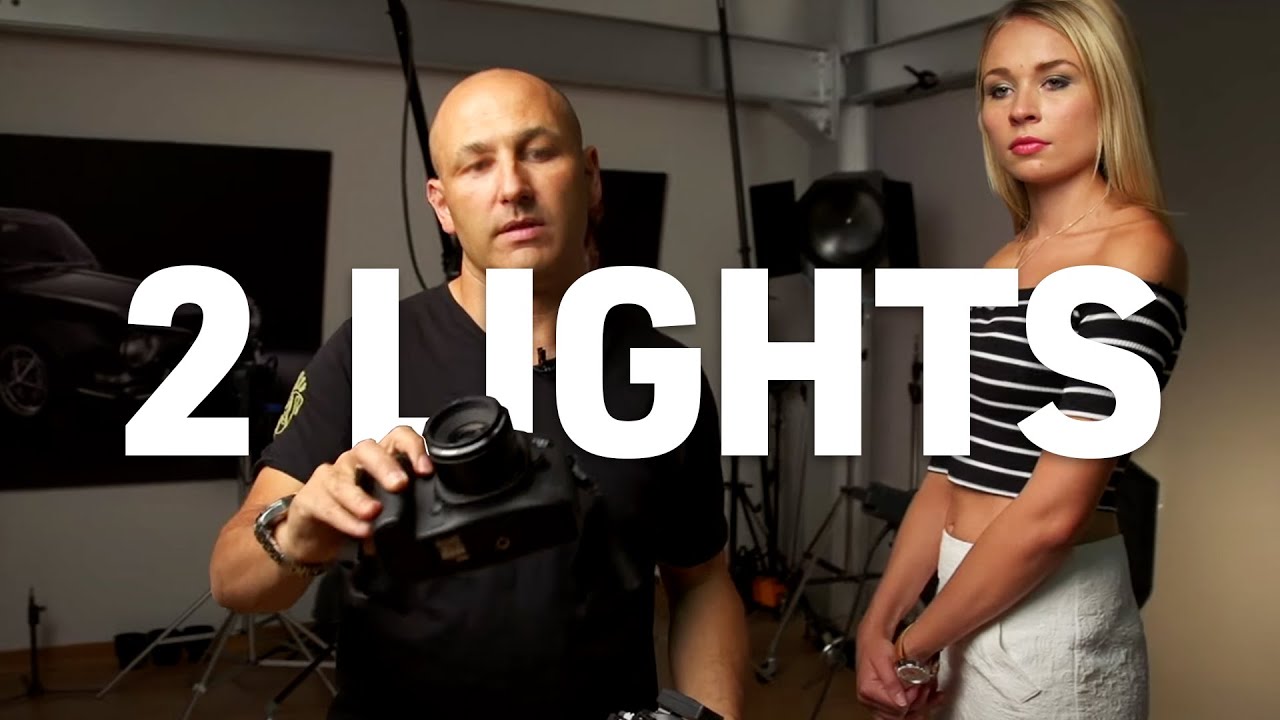
I’ve done the blind test. I’ve stood in a room full of photographers and watched them fail to pick out which portrait came from a $500 camera and which came from a $2,000 one. Every time, the conversation eventually lands in the same place: it was the light. Not the sensor. Not the glass. The light. That’s why this particular tutorial from Visual Education stopped my morning scroll cold. It strips a portrait setup down to two lights and a piece of foam board, then shoots the same subject on a high-end Canon 5D and a budget Olympus mirrorless camera to prove the point.

Is the Hasselblad X2D + 90V the Greatest Portrait Setup Ever Built? Here's What $13K Actually Gets You

Is the Hasselblad X2D + 90V the Greatest Portrait Setup Ever Built? Here's What $13K Actually Gets You

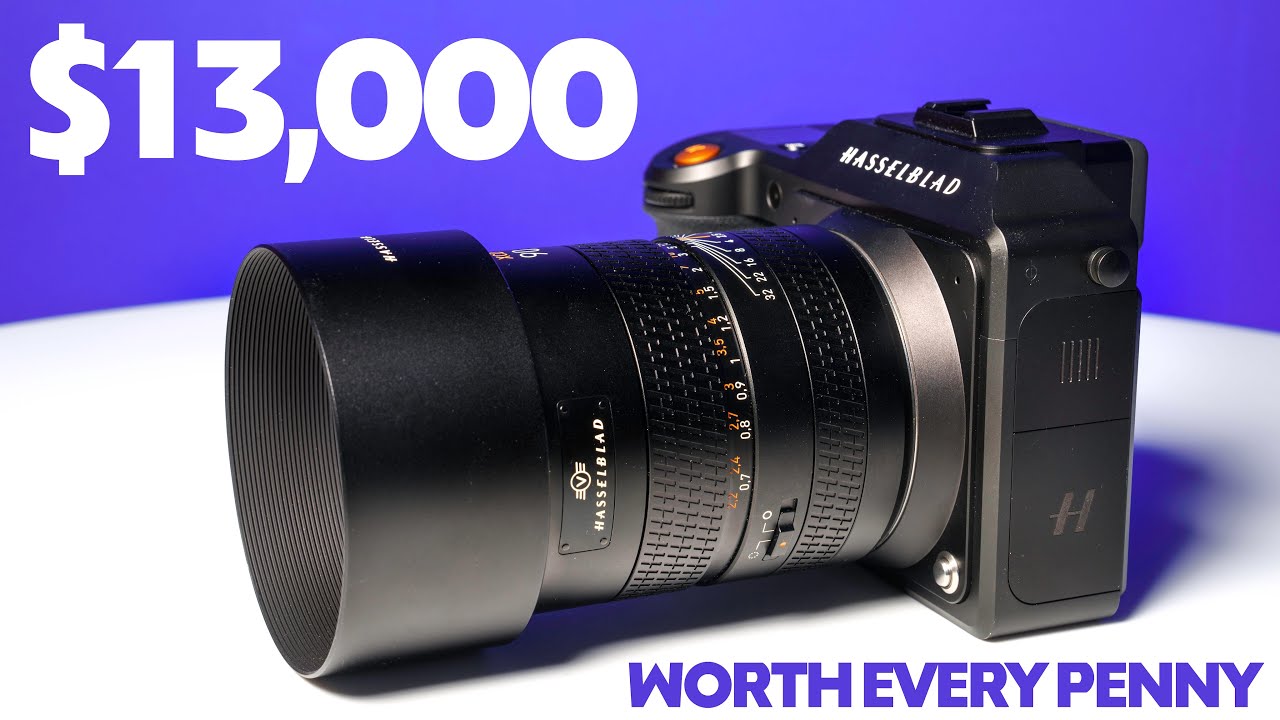
I spend most of my working life arguing that you don’t need expensive gear to make great images. I’ve built my whole corner of the internet around that idea. So when a $13,000 camera-and-lens combo lands on my radar and I can’t immediately dismiss it, that’s worth paying attention to. In this Tony & Chelsea Northrup tutorial on the Hasselblad X2D 100C paired with the new 90mm f/2.5 V lens, Tony makes a case I found genuinely hard to argue with, not because of the price tag, but because of the specific things this system does that nothing else can do right now.

What Happens When You Shoot Portraits With a 600mm f/4 Lens (And What It Actually Teaches You)

What Happens When You Shoot Portraits With a 600mm f/4 Lens (And What It Actually Teaches You)

Most of my work is built around a pretty simple argument: the gear ceiling for great photos is a lot lower than the industry wants you to think. I’ve got a spreadsheet with every budget lens I’ve tested, and the pattern is consistent. Past a certain point, you’re paying for bragging rights, not better pictures. So when I came across this Tony & Chelsea Northrup tutorial where Tony hauls a 600mm f/4 telephoto out into a field to shoot portraits, my first instinct was to roll my eyes.

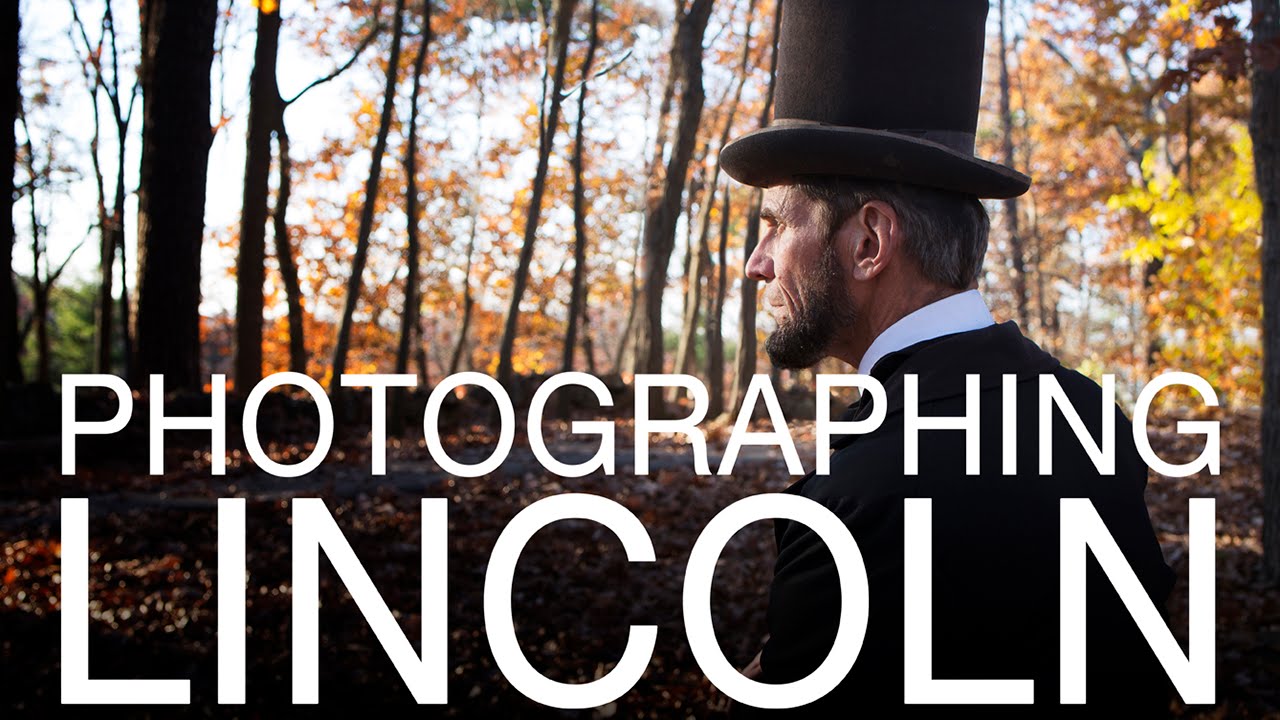
How to Light and Shoot a Historical Portrait on Location (Without a Studio Truck)

How to Light and Shoot a Historical Portrait on Location (Without a Studio Truck)

Most of my work lives in the budget tier. I review $40 speedlights and argue with comment sections about whether a kit lens can hold its own against glass that costs more than my rent. But the techniques that actually make images work? Those come from watching pros solve hard problems in the field — and then figuring out how to apply the same logic with whatever I have in my bag.

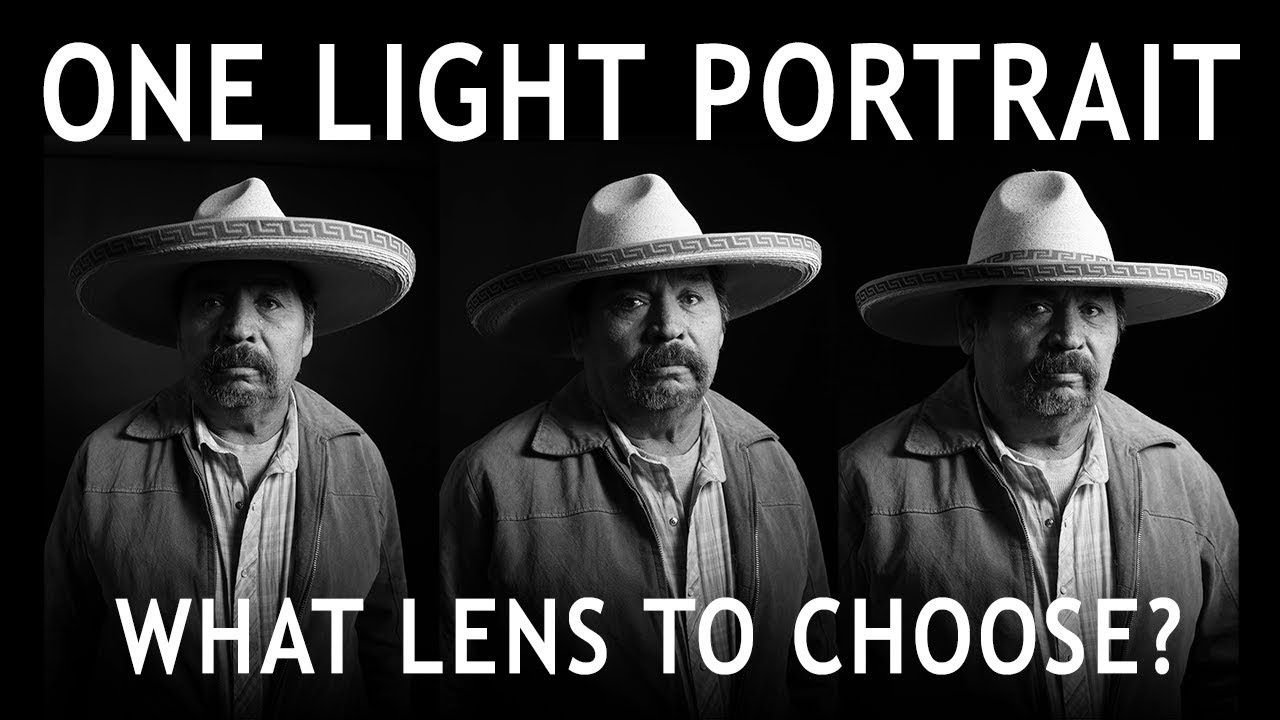
Which Lens Actually Wins for One-Light Portraits? A Breakdown of The Slanted Lens Tutorial

Which Lens Actually Wins for One-Light Portraits? A Breakdown of The Slanted Lens Tutorial

I’ve tested more budget lenses than I care to admit - there’s literally a spreadsheet on my desktop right now with 34 entries. But for a long time, I defaulted to whatever was in my bag without really thinking hard about why a specific focal length was the right call for a portrait session. That changed when I started paying closer attention to how focal length shapes the face, not just the frame.

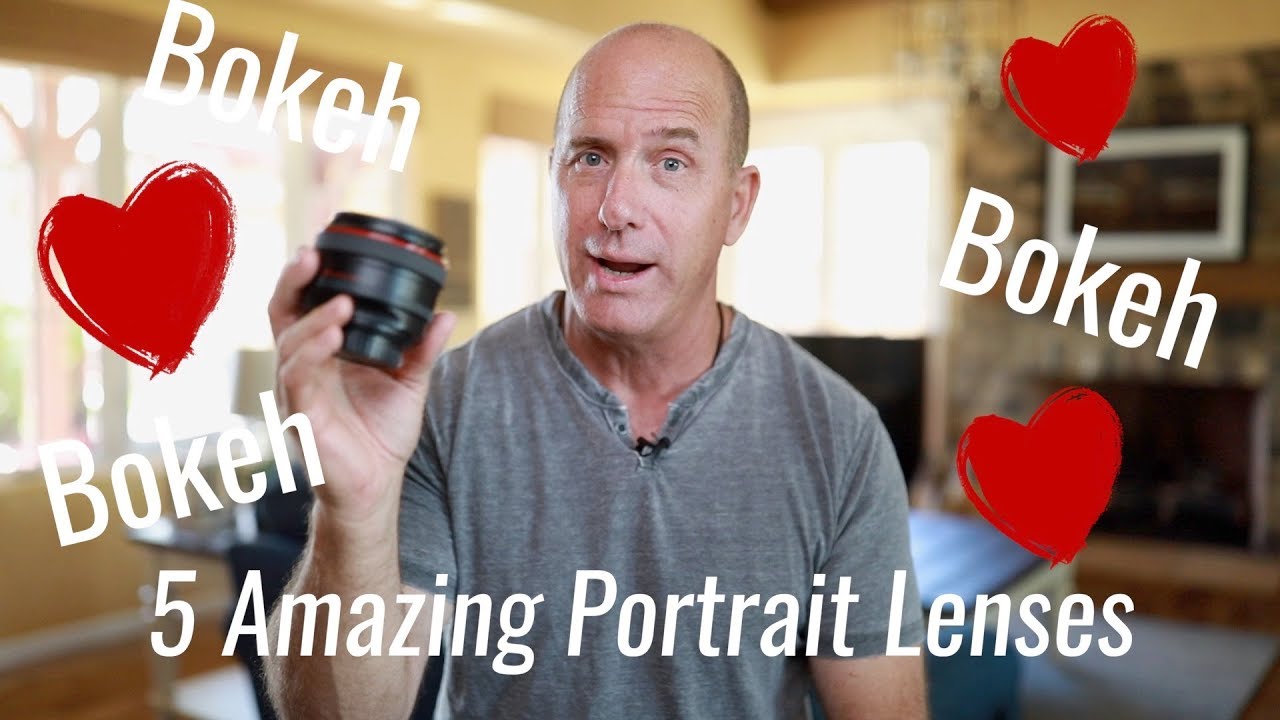
Joel Grimes' 5 Portrait Lenses Ranked — And the One Budget Pick That Outpunches Its Price Tag

Joel Grimes' 5 Portrait Lenses Ranked — And the One Budget Pick That Outpunches Its Price Tag

I’ve spent more hours than I care to admit arguing with myself over which lens to mount before a portrait session. The usual internet advice sends you straight toward an 85mm prime and a four-figure price tag, as if that’s the only path to a sharp, beautiful portrait. What actually moved the needle for me was watching working photographers talk through what’s actually sitting in their bags, not what’s on their wish list.

What Focal Length Actually Does to a Face (And Why Your Kit Lens Is Lying to You)

What Focal Length Actually Does to a Face (And Why Your Kit Lens Is Lying to You)

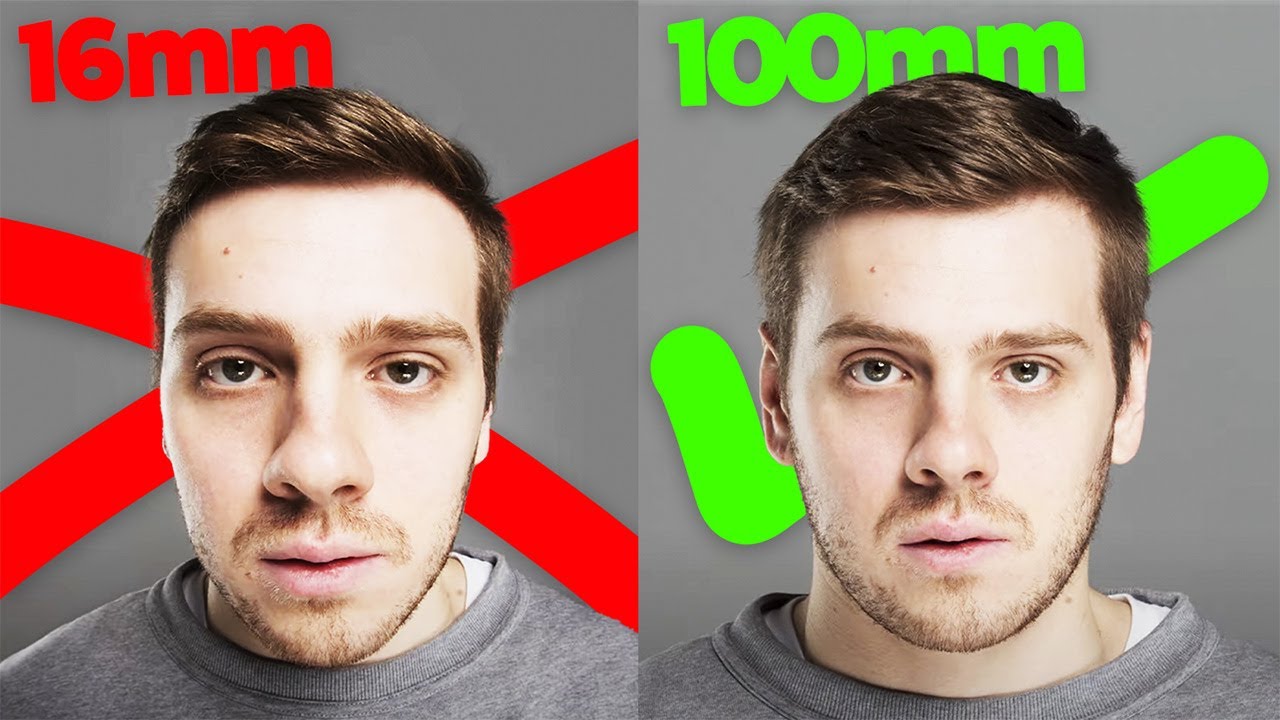
I spent a long time convinced that bad portraits were a lighting problem. I’d move the softbox, try a reflector, mess with the angle, and still get shots that felt slightly off. Faces looked a little bloated, or the background felt weirdly compressed, or the whole image just didn’t match what I was seeing with my own eyes. The real culprit, most of the time, was the lens I was standing behind and how far away I was from the subject.