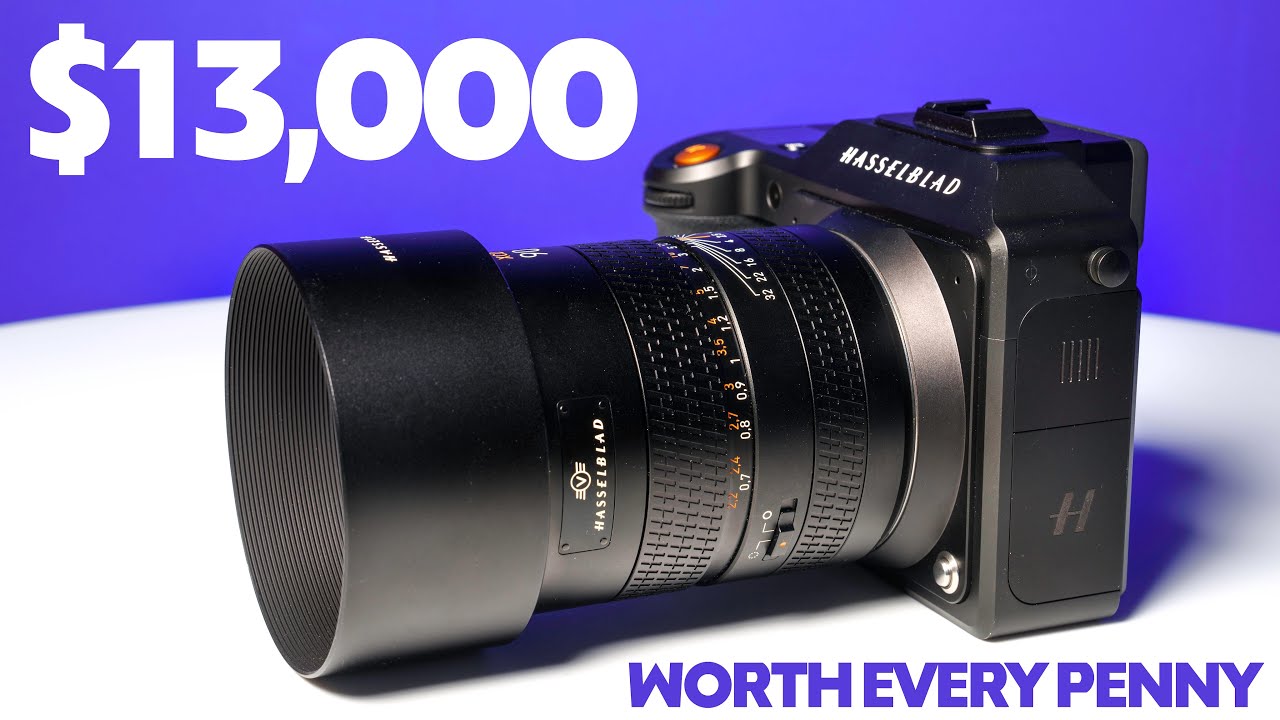
The 50mm f/1.4 Is the Only Lens Most Photographers Actually Need — Here's Why a Pro Agrees

The 50mm f/1.4 Is the Only Lens Most Photographers Actually Need — Here's Why a Pro Agrees

I’ve built most of my gear philosophy around one uncomfortable truth: photographers consistently overspend on glass they don’t need. I tracked my own lens usage for three months using a spreadsheet and found that roughly 80 percent of my keepers came from a single focal length. That didn’t surprise me. What surprised me was how many working photographers I talked to had the same result and still kept reaching for more exotic, more expensive glass out of habit or ego.

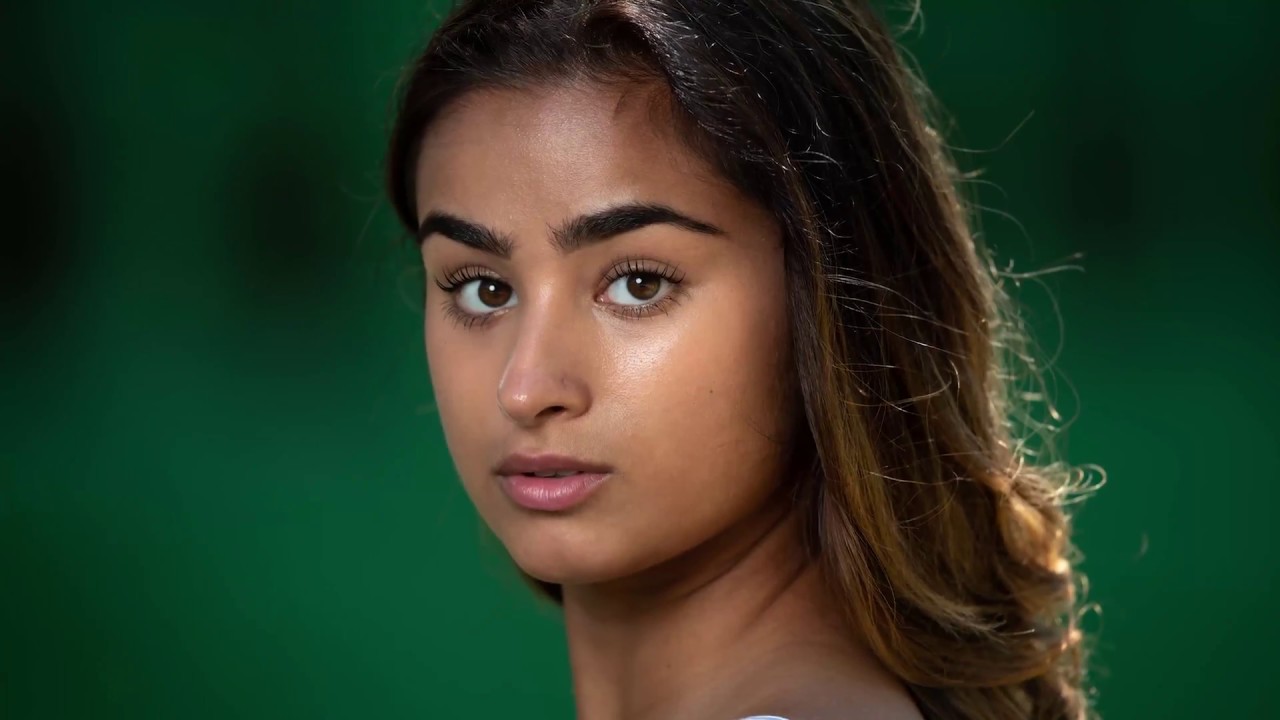
The 3 Portrait Lenses Working Pros Actually Reach For (And What to Buy If You're on a Budget)

The 3 Portrait Lenses Working Pros Actually Reach For (And What to Buy If You're on a Budget)

I used to think portrait photography was mostly about lighting and posing. Then I shot a friend’s engagement session with a kit zoom and spent two hours in Lightroom trying to fix flat, lifeless images that no amount of editing could fully save. The lens matters. Not because expensive glass makes you a better photographer, but because the wrong focal length, the wrong aperture, or a lens with bad contrast handling will cost you shots you can never reshoot.

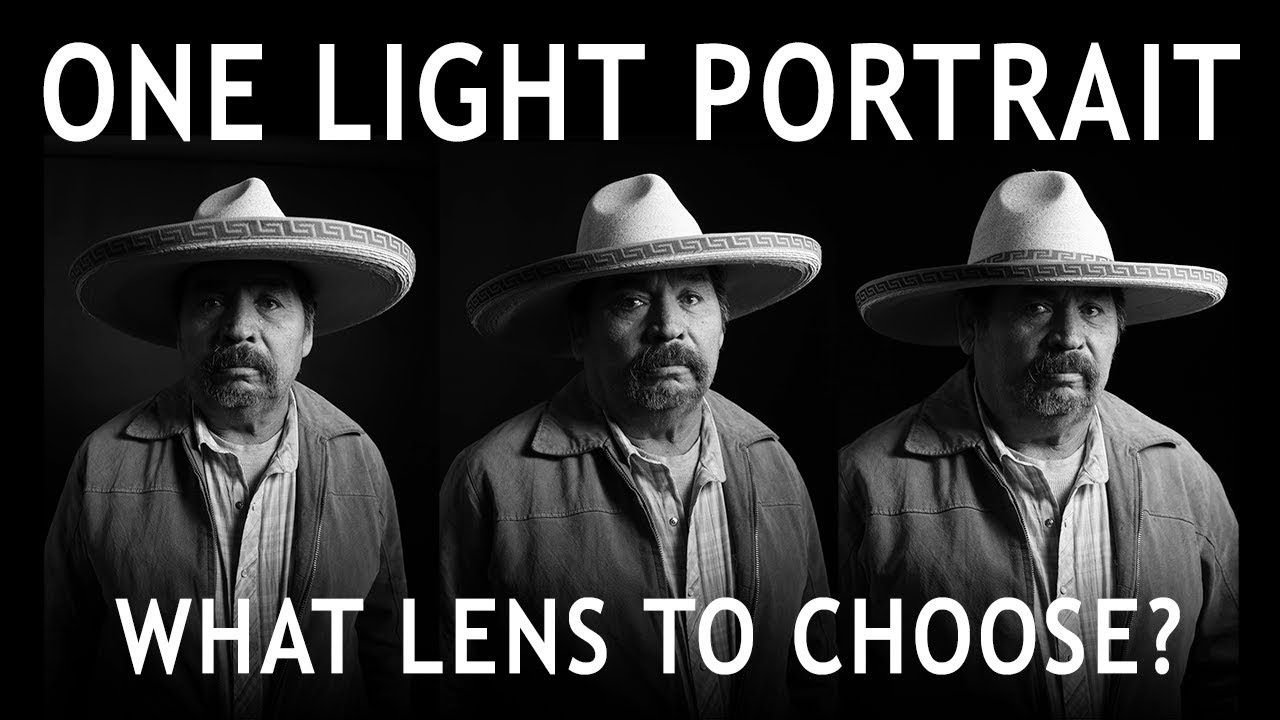
Why Your Lens Choice Matters More Than Your Light Source (Joel Grimes Explains It Better Than I Did)

Why Your Lens Choice Matters More Than Your Light Source (Joel Grimes Explains It Better Than I Did)

I’ve been shooting portraits on budget glass long enough to have opinions about almost every sub-$300 lens on the market. I’ve got the spreadsheet to prove it. But I kept running into the same problem during outdoor shoots: two lenses, same aperture, same light source, wildly different results. One image had this soft, dimensional quality. The other looked flat. I kept blaming the light. Turns out I was blaming the wrong thing.

Joel Grimes' Lighting Breakdown: What I Actually Took Away (And What I'd Change)

Joel Grimes' Lighting Breakdown: What I Actually Took Away (And What I'd Change)

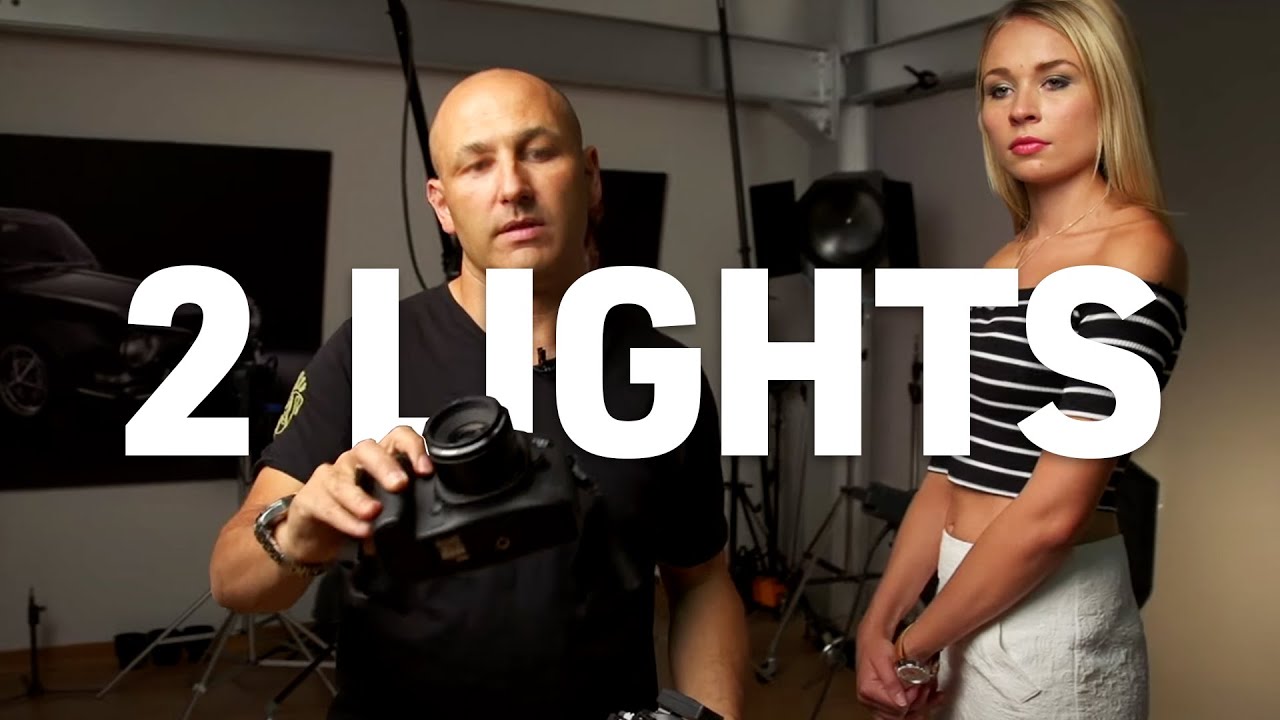
Dramatic portrait lighting is one of those things that looks impossibly complex until someone pulls back the curtain and shows you exactly what’s happening. I’ve spent a lot of time reverse-engineering lighting setups from behind-the-scenes photos, squinting at catch lights in subjects’ eyes, trying to figure out where the photographer put their gear. It’s a frustrating way to learn. So when I came across a breakdown that just tells you directly, I pay attention.