Stop Fighting Crooked Architecture Photos — Photoshop's Guided Upright Actually Fixes Them

Stop Fighting Crooked Architecture Photos — Photoshop's Guided Upright Actually Fixes Them

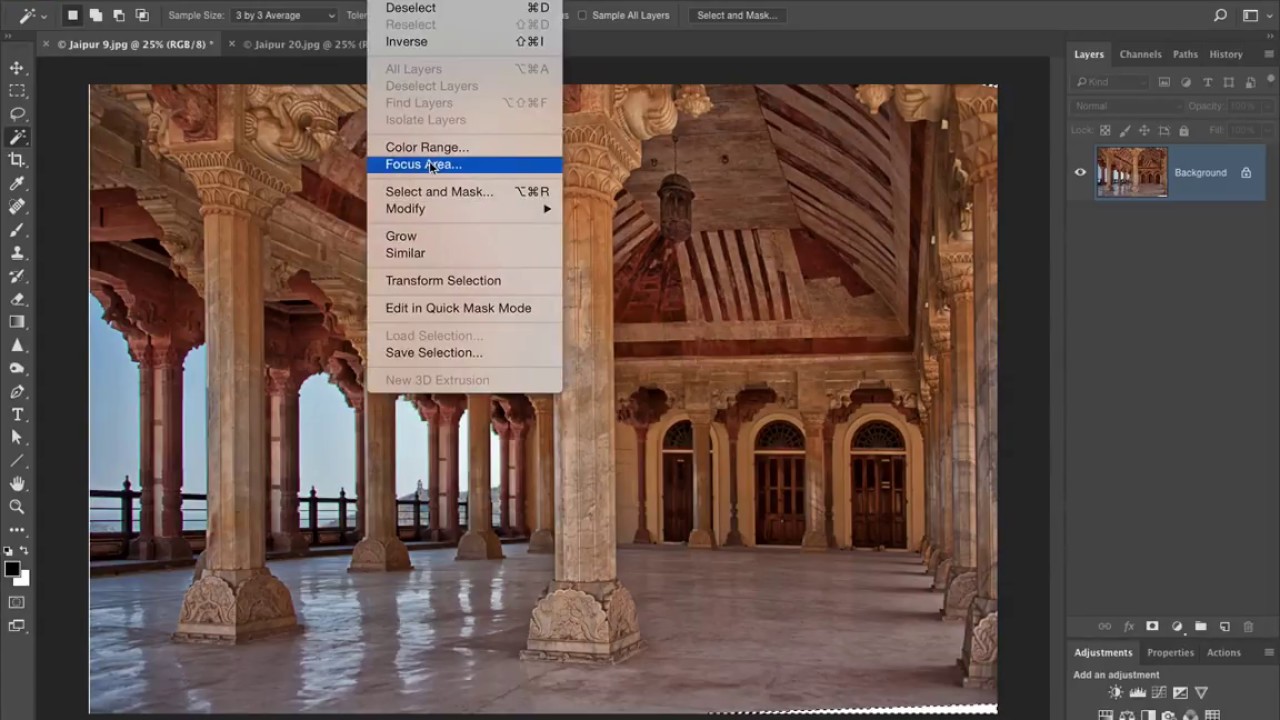
Wide-angle lenses are some of the best value in photography. A 28mm prime for a couple hundred bucks will outperform kit glass on architecture, interiors, and street work all day long. But anyone who shoots buildings with a wide lens knows the tax you pay for that field of view: vertical lines that lean, columns that taper, whole walls that look like they’re about to fall over. I’ve shot interiors with a $180 lens that produced images I was genuinely proud of, and every single one needed some geometry work before it was ready to share.
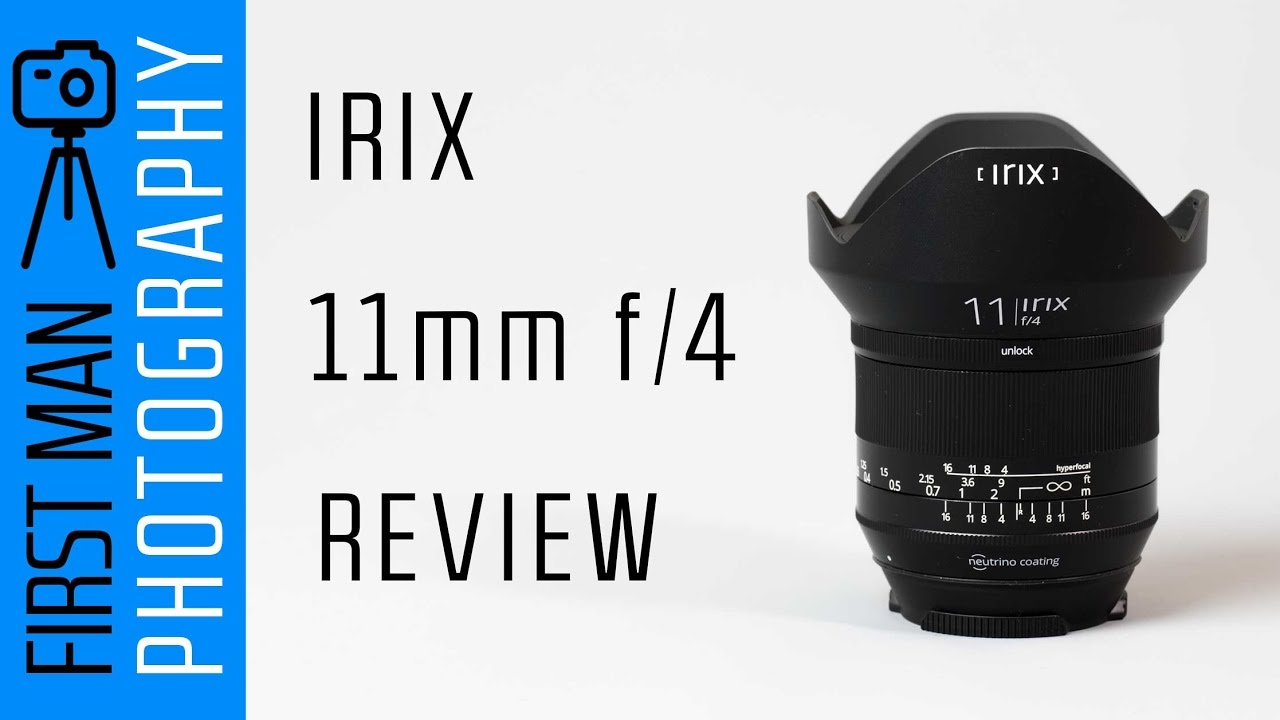

Irix 11mm f/4 Blackstone Review: Is This Ultra-Wide Worth the Premium Price Tag?

Irix 11mm f/4 Blackstone Review: Is This Ultra-Wide Worth the Premium Price Tag?

There’s a question I get more than almost any other from photographers stepping up their landscape game: “What’s the widest I can go before my images start looking like a funhouse mirror?” It’s a fair concern. Ultra-wide lenses are either revelatory or a regret, and there isn’t much middle ground. When I came across this review from First Man Photography covering the Irix 11mm f/4 Blackstone, I paid close attention, because this lens sits in a price bracket that gets real consideration from shooters who aren’t ready to drop a mortgage payment on a first-party prime.

Are Camera Reviews Actually Worth Your Time? Here's an Honest Answer from Someone Who Makes Them

Are Camera Reviews Actually Worth Your Time? Here's an Honest Answer from Someone Who Makes Them

I’ll be straight with you: I got into deals and gear content because I was spending more time researching prices than actually shooting. At some point I had to ask myself whether all that research was making me a better photographer or just a more anxious one. That tension is exactly what Tony and Chelsea Northrup dig into in their Picture This Podcast episode, and it’s worth a serious look, especially if you’ve ever fallen into a rabbit hole at 11pm comparing two cameras that cost $50 apart.

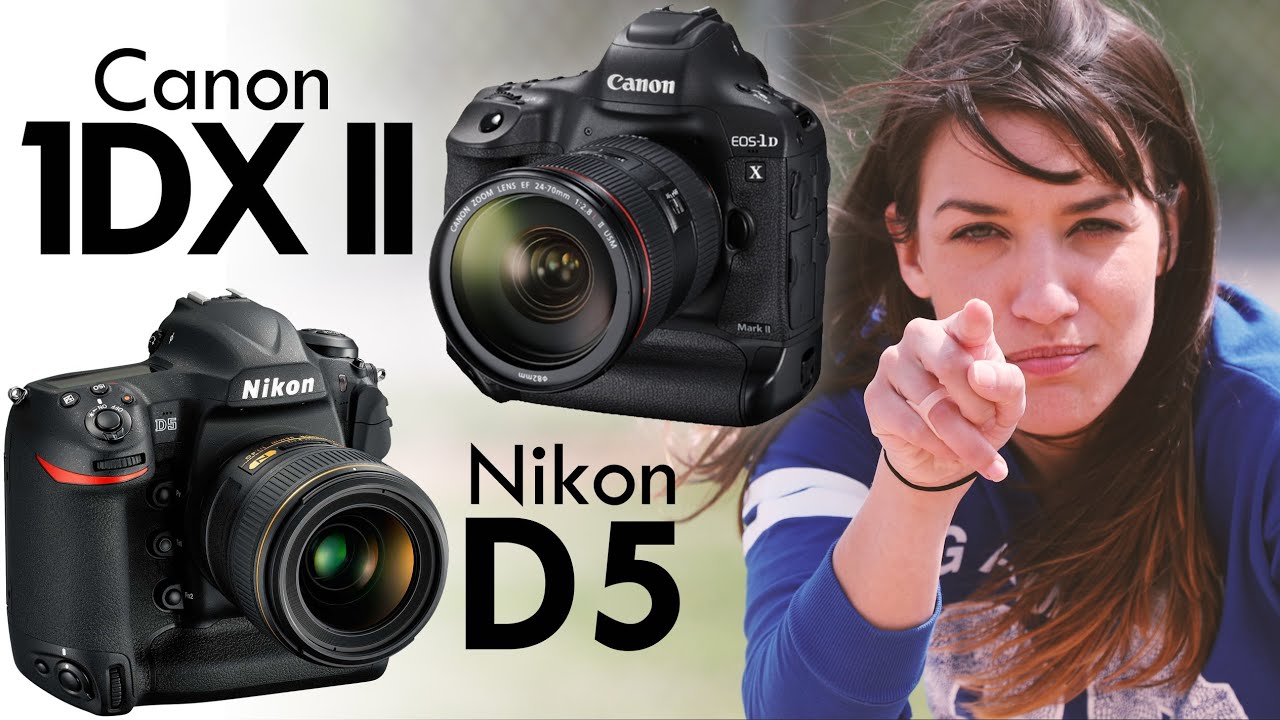
Canon 1DX Mark II vs Nikon D5: What Sports Shooters Actually Need to Know

Canon 1DX Mark II vs Nikon D5: What Sports Shooters Actually Need to Know

Every time I see someone drop $6,000 on a flagship sports body, I want to pull up a spreadsheet. Not to shame them, but because the numbers rarely tell the whole story on the spec sheet. I grew up shooting on gear most professionals would laugh at, and that experience made me obsessive about understanding exactly what you’re paying for before you pay it. So when Tony and Chelsea Northrup put the Canon 1DX Mark II and the Nikon D5 through a serious head-to-head review, I watched the whole thing twice and took notes.

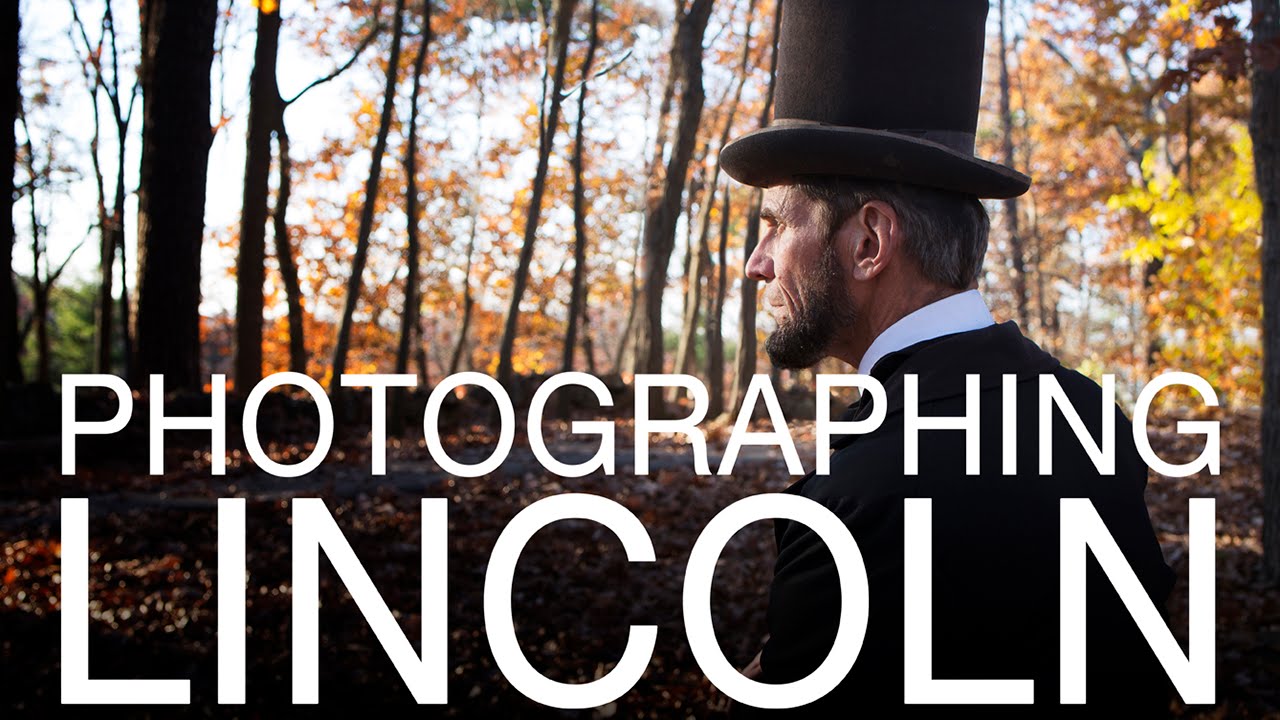
How to Light and Shoot a Historical Portrait on Location (Without a Studio Truck)

How to Light and Shoot a Historical Portrait on Location (Without a Studio Truck)

Most of my work lives in the budget tier. I review $40 speedlights and argue with comment sections about whether a kit lens can hold its own against glass that costs more than my rent. But the techniques that actually make images work? Those come from watching pros solve hard problems in the field — and then figuring out how to apply the same logic with whatever I have in my bag.

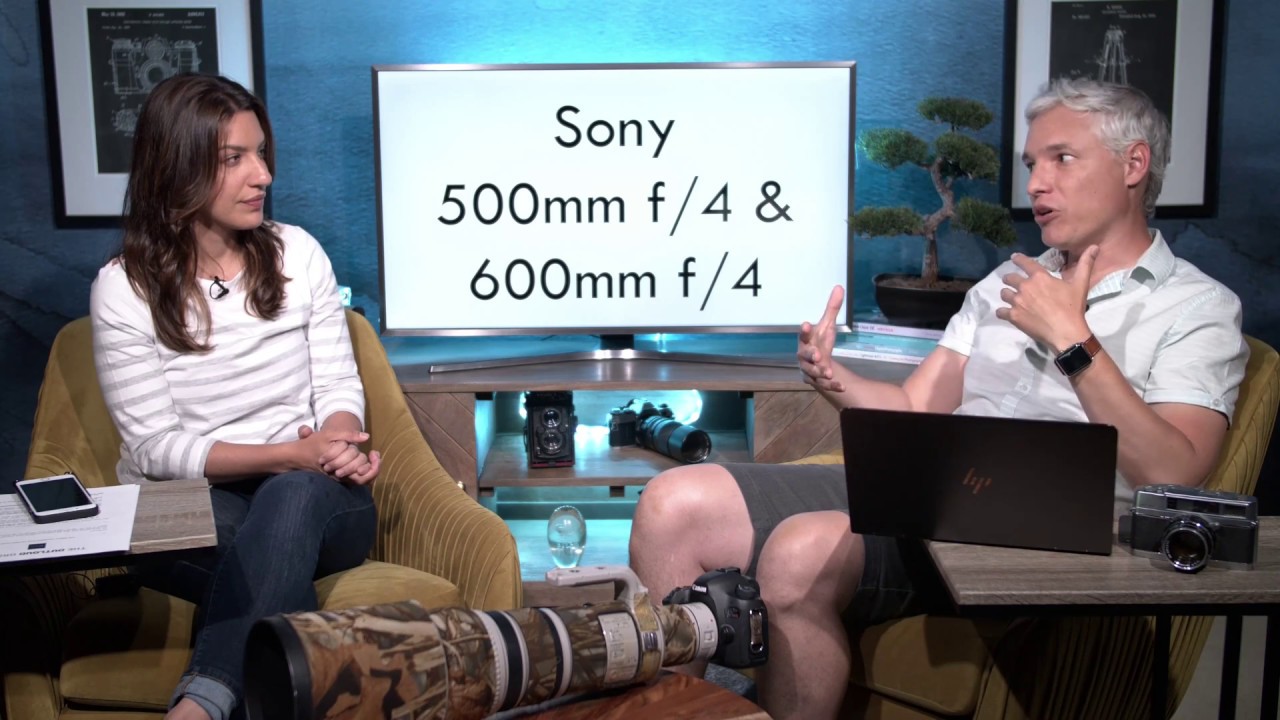
Sony's 500mm and 600mm f/4 Lenses Are Coming - Here's What Wildlife and Sports Shooters Need to Know

Sony's 500mm and 600mm f/4 Lenses Are Coming - Here's What Wildlife and Sports Shooters Need to Know

I spend most of my time digging through budget gear and deal alerts, but every once in a while something lands in the news cycle that matters even to someone who flinches at four-figure price tags. Sony’s native glass lineup has been a genuine weak point for anyone who moved to the a9 for sports or wildlife shooting. You’ve got a world-class body with no real long telephoto to put on it - at least nothing made by Sony.

Ghosts, Gut Feelings, and What Analog Photographers Actually Believe

Ghosts, Gut Feelings, and What Analog Photographers Actually Believe

There’s a specific kind of photographer paralysis that hits when you’ve spent too long on the technical side of things. You know the histogram cold. You can recite the exposure triangle in your sleep. But somewhere in all that optimization, the gut feeling that made you pick up a camera in the first place starts to go quiet. I’ve been there. I’ve got a spreadsheet with 47 budget lenses ranked by sharpness-per-dollar, and there were months where I was doing more analyzing than shooting.

Shooting Film Without a Roadmap: What Mango Street's Analog Discussions Gets Right About Starting Messy

Shooting Film Without a Roadmap: What Mango Street's Analog Discussions Gets Right About Starting Messy

There’s a particular kind of photographer paralysis that hits right before you pick up a film camera for the first time. You want the perfect starter body, the right film stock, the ideal first roll subject. You research until the momentum dies. I did exactly this when I first started poking around the analog world, cross-referencing every budget 35mm recommendation on three different forums before I ever touched a shutter. What I actually needed was someone to just start talking, out loud, without a polished script.

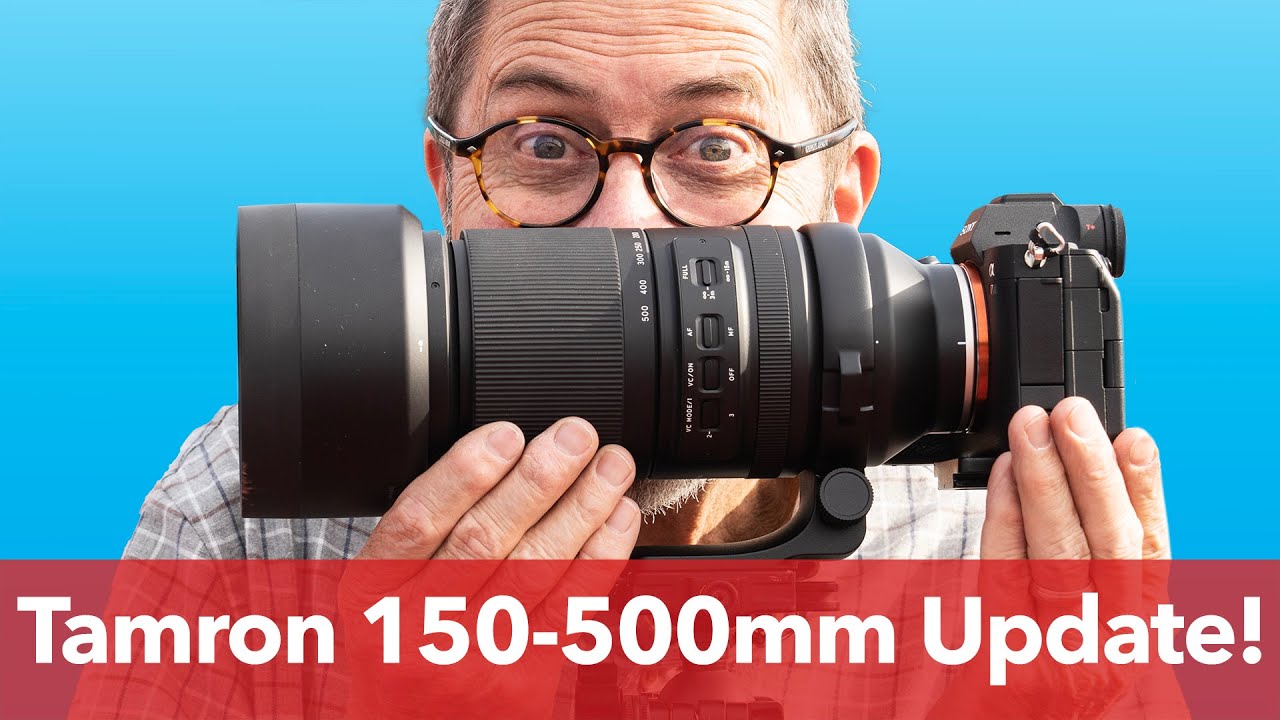
Tamron's Free Firmware Update Turned My 150-500mm Into a Legitimate Sports Lens

Tamron's Free Firmware Update Turned My 150-500mm Into a Legitimate Sports Lens

I track gear updates the way some people track flight deals. Firmware drops land in my inbox before most people have finished their morning coffee, and nine times out of ten they’re minor buffer tweaks that make zero real-world difference. So when Tamron pushed a tracking and response update for the 150-500mm and 50-400mm lenses, I was ready to be underwhelmed. Then I watched Jay P. Morgan at The Slanted Lens actually put it through its paces on a moving subject, and I changed my posture on this one.

Macro Probe Lens Shootout: Is the Budget AstrHori 28mm Worth It Against the Laowa 24mm?

Macro Probe Lens Shootout: Is the Budget AstrHori 28mm Worth It Against the Laowa 24mm?

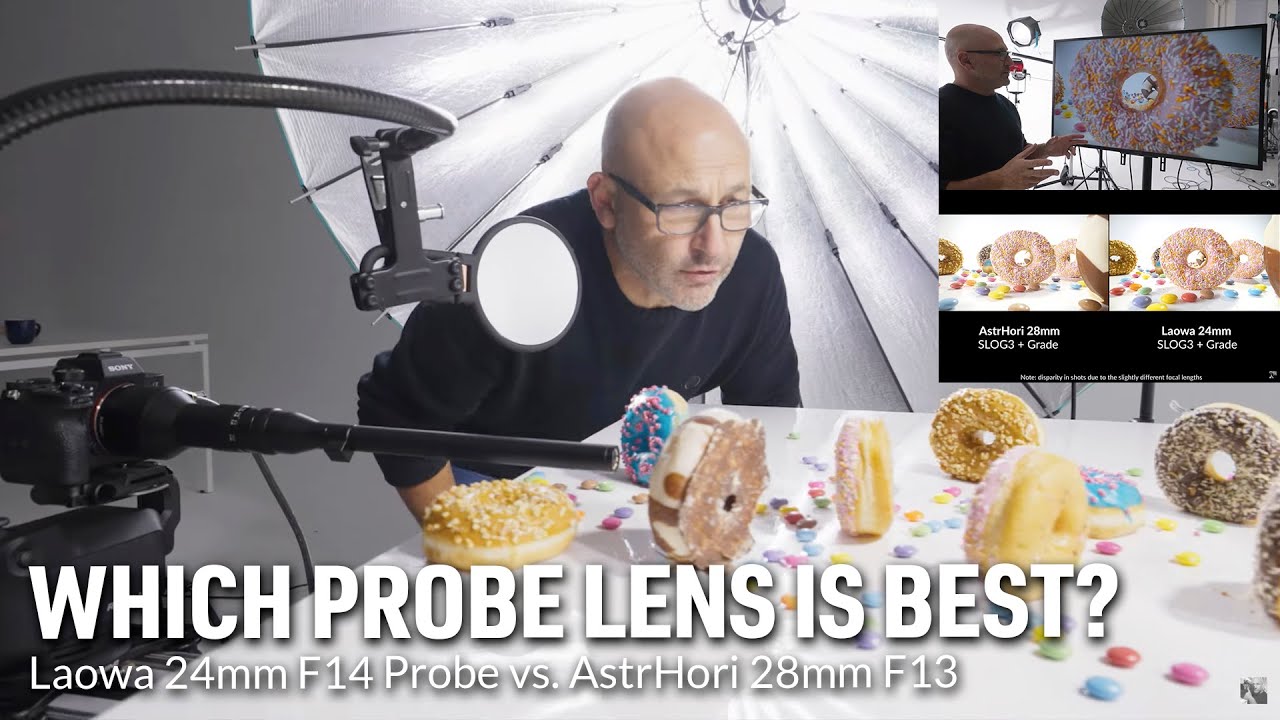
If you’ve ever wanted to send a camera lens crawling through a pile of coffee beans or diving into a donut like some kind of cinematic insect, a macro probe lens is the tool that makes it happen. These weird, elongated lenses are niche by design, but they produce shots that stop people mid-scroll. The problem has always been the price. The Laowa 24mm f/14 is the benchmark, and it’s priced like one.

Why Photographers Who Shoot Woodland Keep Coming Back to the 24-70mm (And Why It's Not Hype)

Why Photographers Who Shoot Woodland Keep Coming Back to the 24-70mm (And Why It's Not Hype)

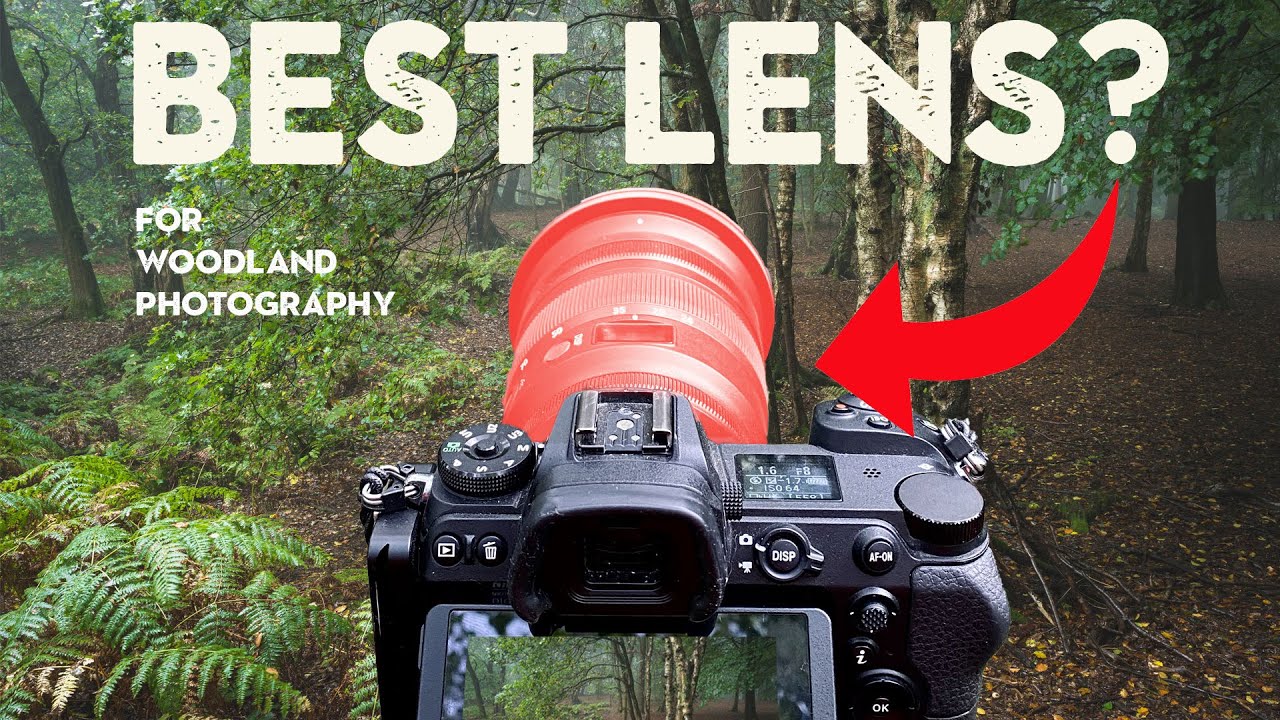
I’ve tested a lot of lenses. I have a spreadsheet to prove it. And one pattern that shows up constantly in my data is that the “boring” mid-range zoom outperforms specialty glass far more often than photographers expect, especially in environments where you’re reacting to light rather than controlling it. Woodland photography is the clearest example of this. You’re moving fast, the light is changing by the minute, and the difference between a good shot and a great one often comes down to being able to shift focal length without swapping glass.

The First Lens Every Beginner Should Actually Buy (And the Reasoning That Changes Everything)

The First Lens Every Beginner Should Actually Buy (And the Reasoning That Changes Everything)

I spent an embarrassing amount of time early on convinced that the right lens was just a matter of budget. Scrape together enough money, buy the most versatile zoom you can find, done. What I didn’t understand was that “versatile” means completely different things depending on how you shoot, and buying the wrong first lens doesn’t just waste money, it actively slows down how fast you learn to see like a photographer.