Nikon Z9 Firmware 3.0 Breakdown: The Features That Actually Change How You Shoot

Nikon Z9 Firmware 3.0 Breakdown: The Features That Actually Change How You Shoot

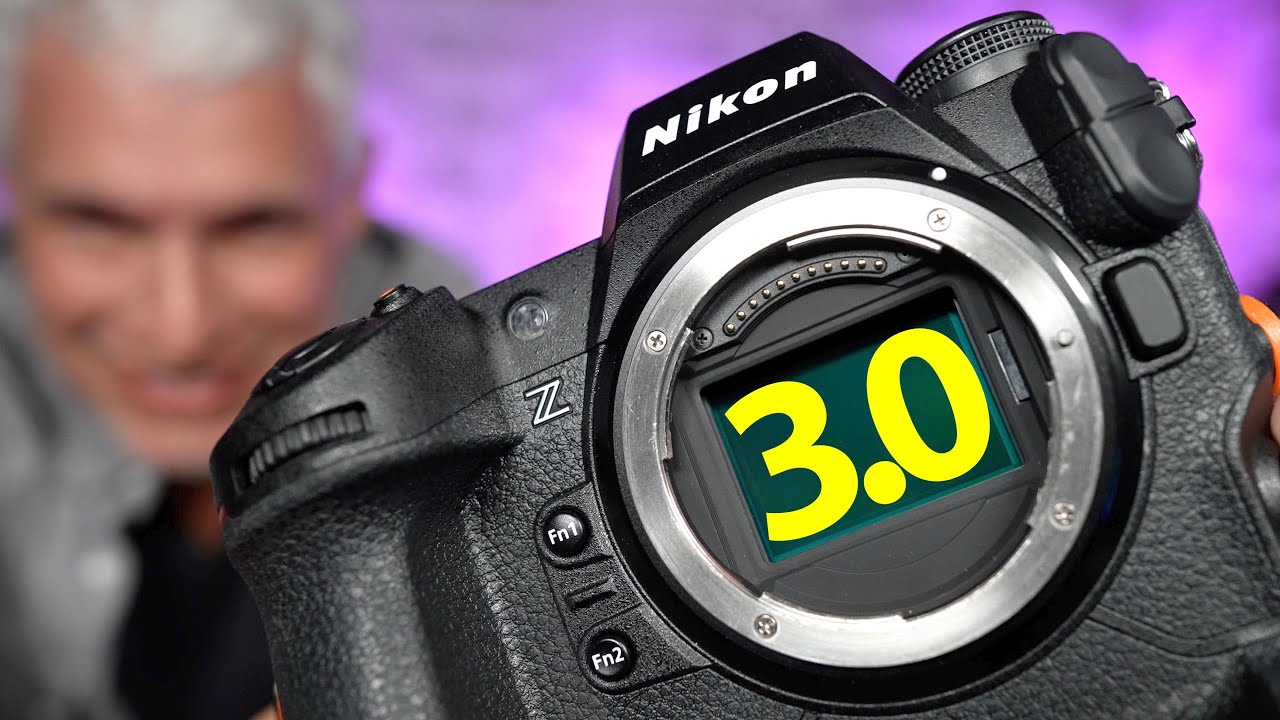
I’ll be straight with you: I don’t cover $5,500 cameras very often. That’s not exactly the deals-hunter beat. But firmware updates are a different conversation, because a major update on a camera you already own is essentially free gear. And if you’re shopping the used market, knowing what firmware version a body is running can be the difference between a frustrating experience and one that punches well above its price. That’s what pulled me into this review.
What Vicki Taufer's Pet and People Sessions Taught Me About Shooting Honest, Sellable Images

What Vicki Taufer's Pet and People Sessions Taught Me About Shooting Honest, Sellable Images

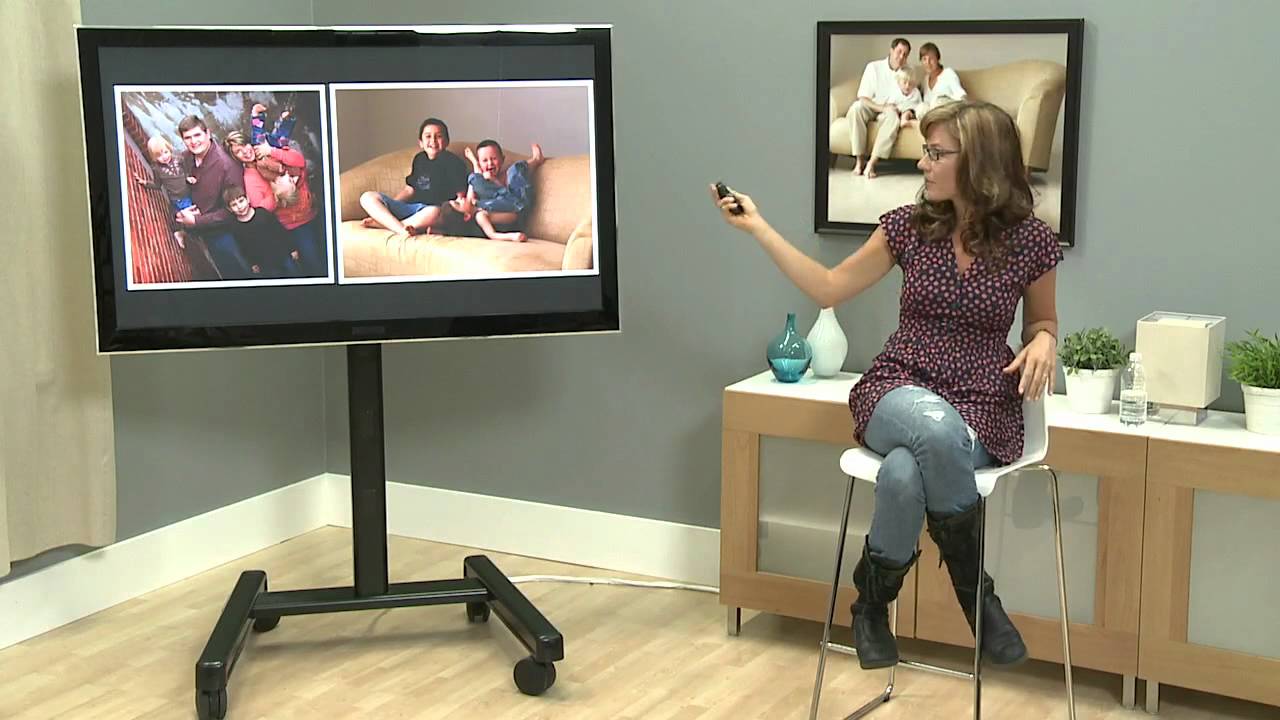
Here’s something I’ve noticed after years of shooting on a budget and reviewing gear for a living: the photographers who actually sell their work aren’t always the ones with the cleanest lighting setups. They’re the ones who know how to work a chaotic scene, pull something real out of it, and move it through a workflow fast enough to stay profitable. That skill gap has nothing to do with camera bodies or lens lineups.

How to Fake a Lens Flare in Photoshop Using Gradients and Layer Blending (No Plugin Required)

How to Fake a Lens Flare in Photoshop Using Gradients and Layer Blending (No Plugin Required)

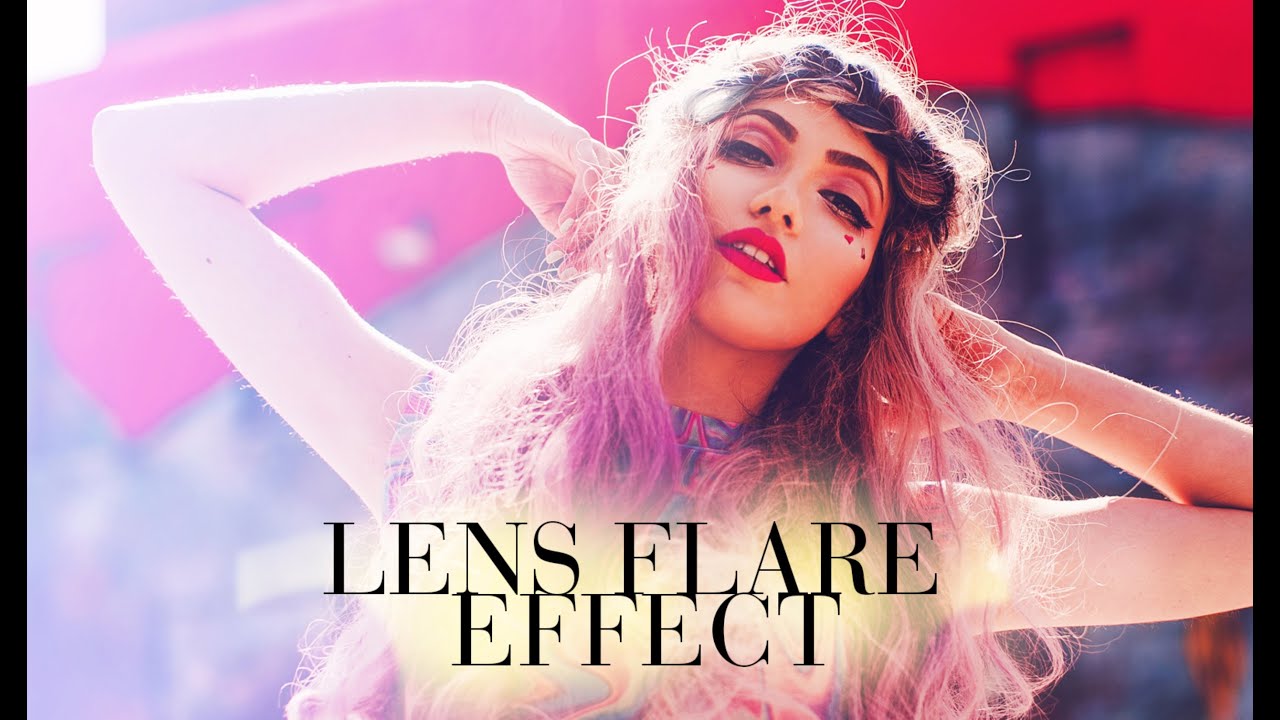
I used to think lens flare effects required either an expensive prime lens shot wide open into harsh backlight, or some bloated plugin that costs more than a budget nifty fifty. Turns out neither is true. In this Jessica Kobeissi tutorial on creating a lens flare effect in Photoshop, she walks through a surprisingly simple gradient-based method that produces a convincing warm, glowing flare using tools that are already sitting in your Photoshop toolbar.

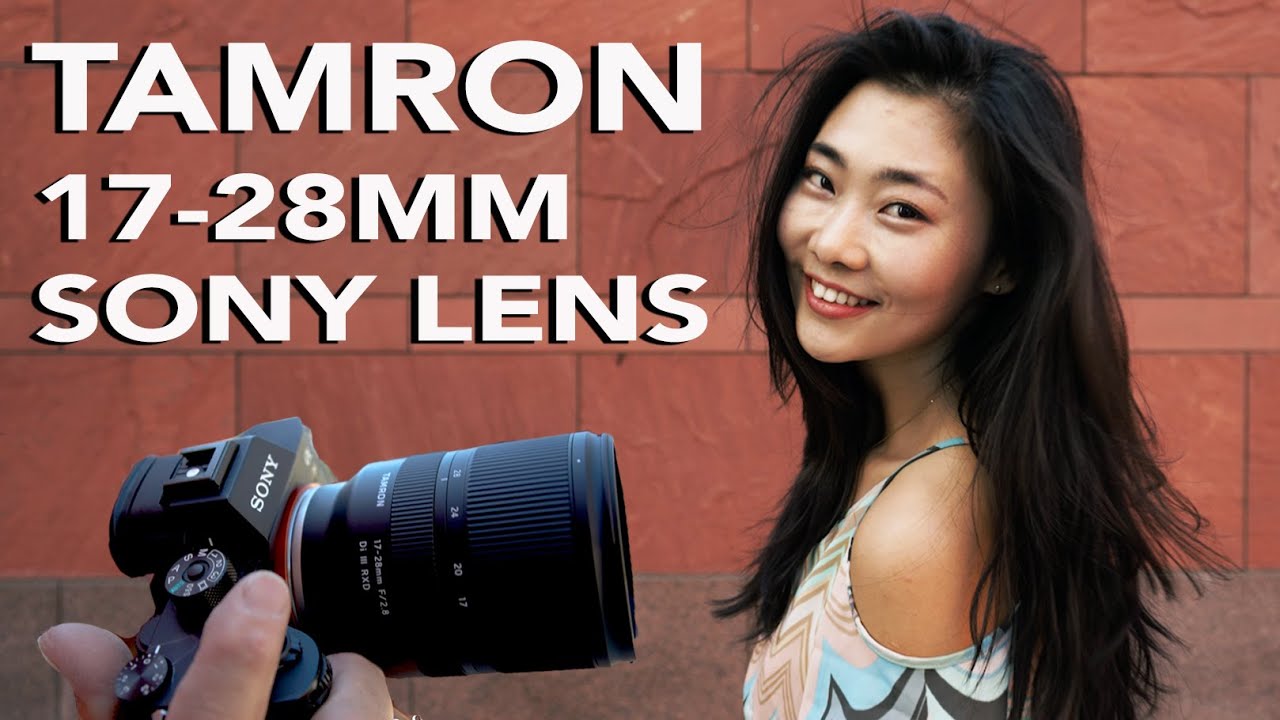
Tamron 17-28mm f/2.8 for Sony: A Working Shooter's Honest Take on the Best Budget Wide-Angle Right Now

Tamron 17-28mm f/2.8 for Sony: A Working Shooter's Honest Take on the Best Budget Wide-Angle Right Now

Wide-angle lenses have a reputation problem. Either they’re astronomically expensive Sony or Zeiss glass that makes your wallet hurt, or they’re cheap third-party options that turn your subject’s face into a funhouse mirror the moment they step toward the edge of the frame. For a long time, I felt like there was no honest middle ground, especially for Sony E-mount shooters. I’ve got a whole spreadsheet of lenses I’ve tested over the years, and the wide-angle column has more disappointments in it than I’d like to admit.

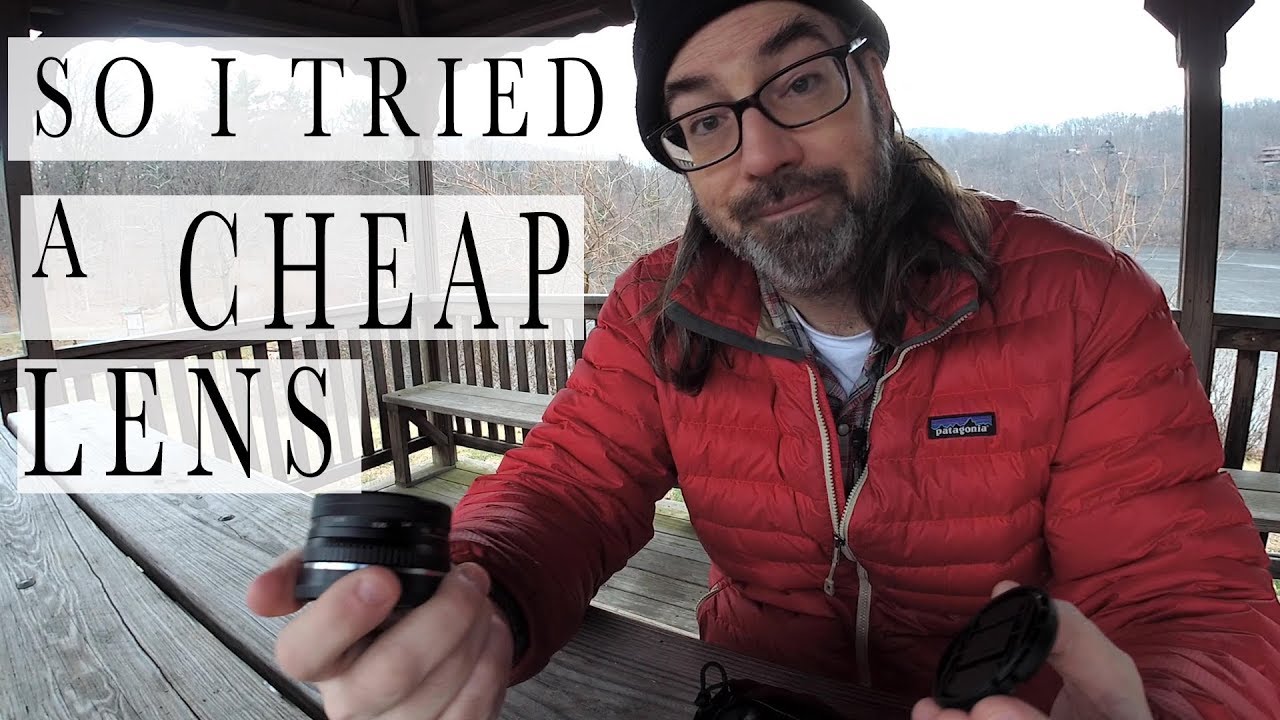
I Tested a $70 Budget Lens So You Don't Have To (Here's the Honest Verdict)

I Tested a $70 Budget Lens So You Don't Have To (Here's the Honest Verdict)

There’s a conversation that keeps coming up in photography communities, and I’m tired of watching it go sideways. Someone asks about budget gear, someone else fires back that cheap glass ruins shots, and nobody walks away with anything useful. What actually cuts through the noise is a working professional picking up a cheap lens, mounting it on a real camera, and shooting a real job with it. That’s exactly what happens in this Daniel Norton Photographer tutorial, and the results are worth paying attention to whether you’re a working shooter trying to stretch a tight kit budget or just curious where the floor is on usable glass.

Pack Light, Shoot Fast: How One Pro's Three-Bag System Cuts Post-Production Chaos

Pack Light, Shoot Fast: How One Pro's Three-Bag System Cuts Post-Production Chaos

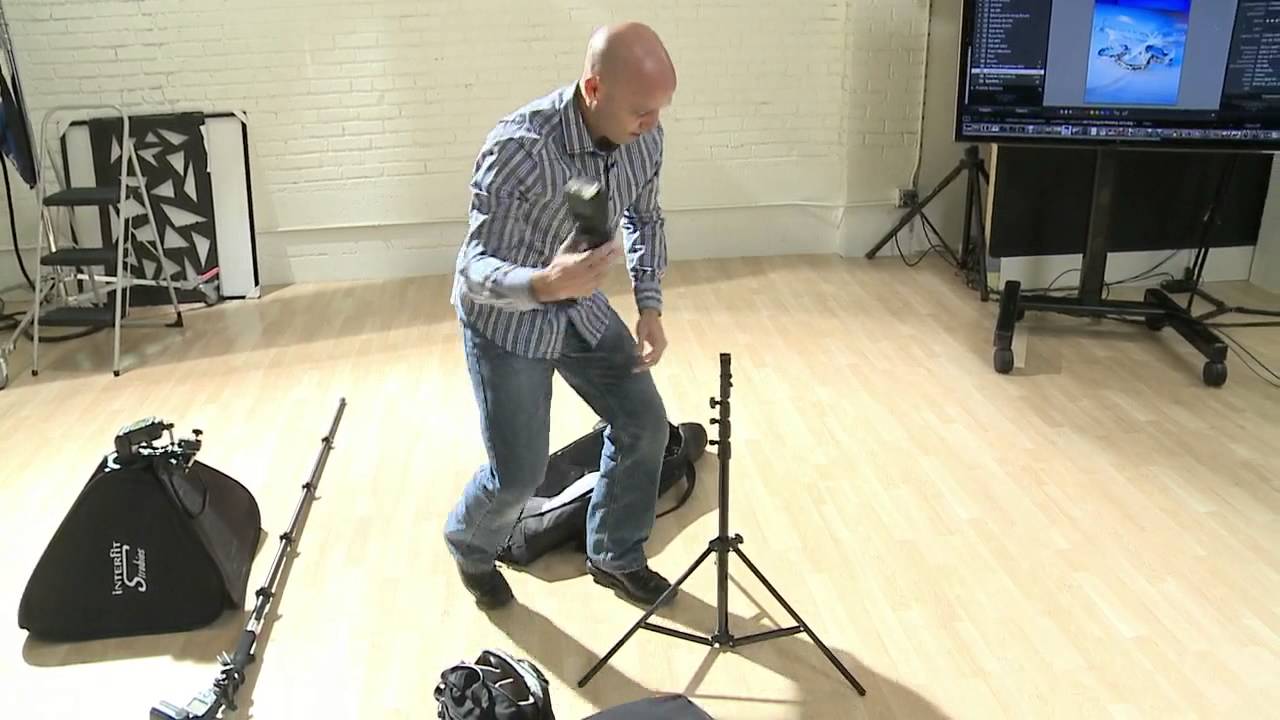
If there’s one thing that kills your post-production speed before you even open Lightroom, it’s chaotic gear. Wrong light modifier for the location. Missing a cable because it lives in a different bag. Showing up to a shoot and realizing your flash setup requires 80 pounds of sandbags just to stay upright in a mild breeze. I’ve been there. I’ve also watched plenty of photographers spend twice as long in post trying to fix light they never had proper control over in the first place.

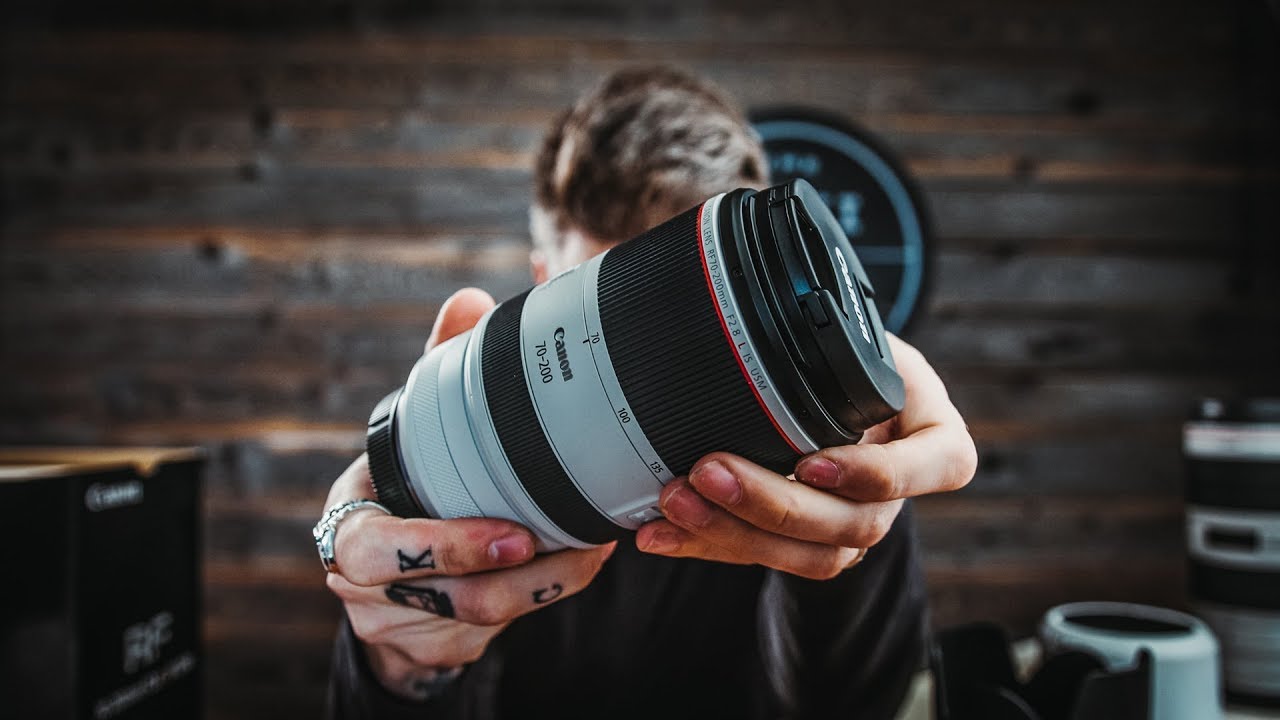
Canon's RF 70-200mm Is Smaller, Lighter, and Still the Magic Lens - Here's What Actually Changed

Canon's RF 70-200mm Is Smaller, Lighter, and Still the Magic Lens - Here's What Actually Changed

I’ve always had a complicated relationship with the 70-200mm focal range. It’s the lens I recommend to almost everyone who asks, and it’s the lens I personally avoided for years because the size and weight made it a liability when I was trying to travel light. If you’ve ever tried to cram a traditional 70-200mm into a carry-on alongside everything else you’re hauling, you know exactly what I mean. The glass is worth it.

What a Pro Photographer Would Actually Buy Starting From Zero in 2025 (And What That Means for the Rest of Us)

What a Pro Photographer Would Actually Buy Starting From Zero in 2025 (And What That Means for the Rest of Us)

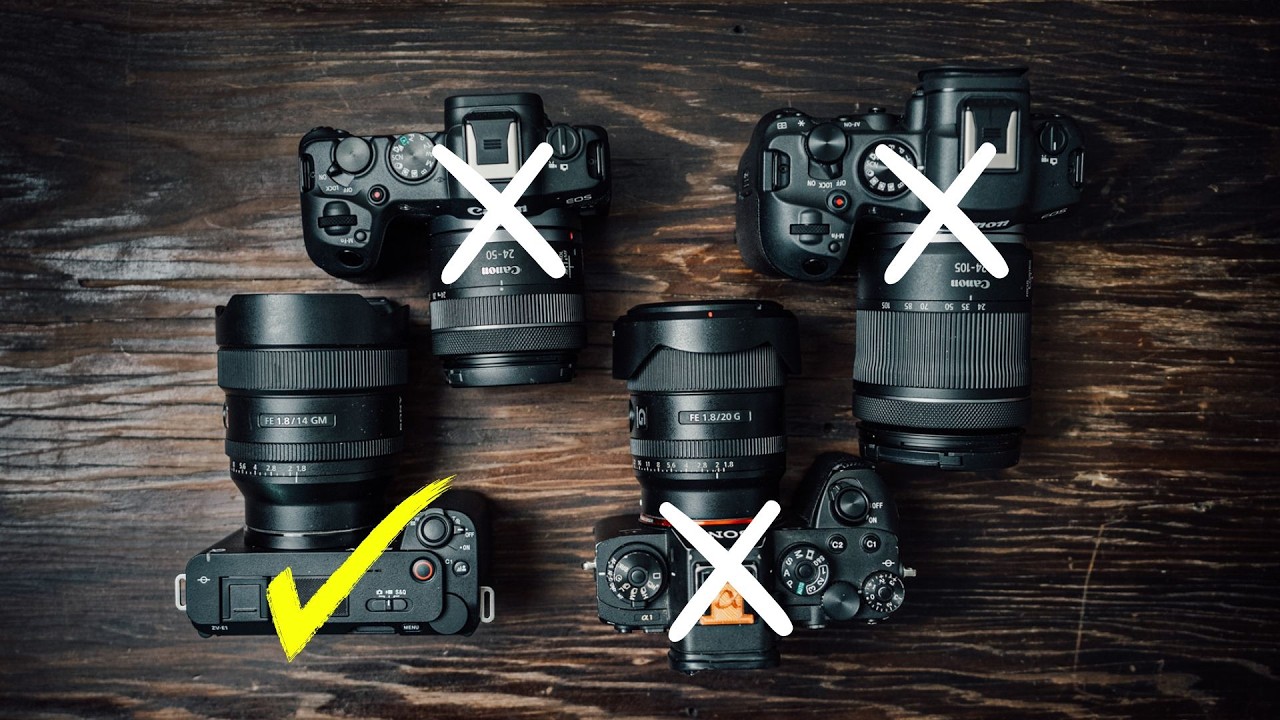
There’s a specific kind of gear fatigue that hits when your bag weighs more than your motivation to go shoot. I’ve been there, except in my case it was a backpack full of budget lenses I was testing simultaneously, not Sony GM glass. But the underlying problem is the same: too much stuff, not enough intentionality. That’s what made me stop and pay close attention when Pierre T. Lambert – a working professional travel photographer – sat down in Thailand and asked himself what he’d actually buy if he had to sell everything and start over.

How to Use a Telephoto Lens for Landscape Photography (And Why It Changes Everything)

How to Use a Telephoto Lens for Landscape Photography (And Why It Changes Everything)

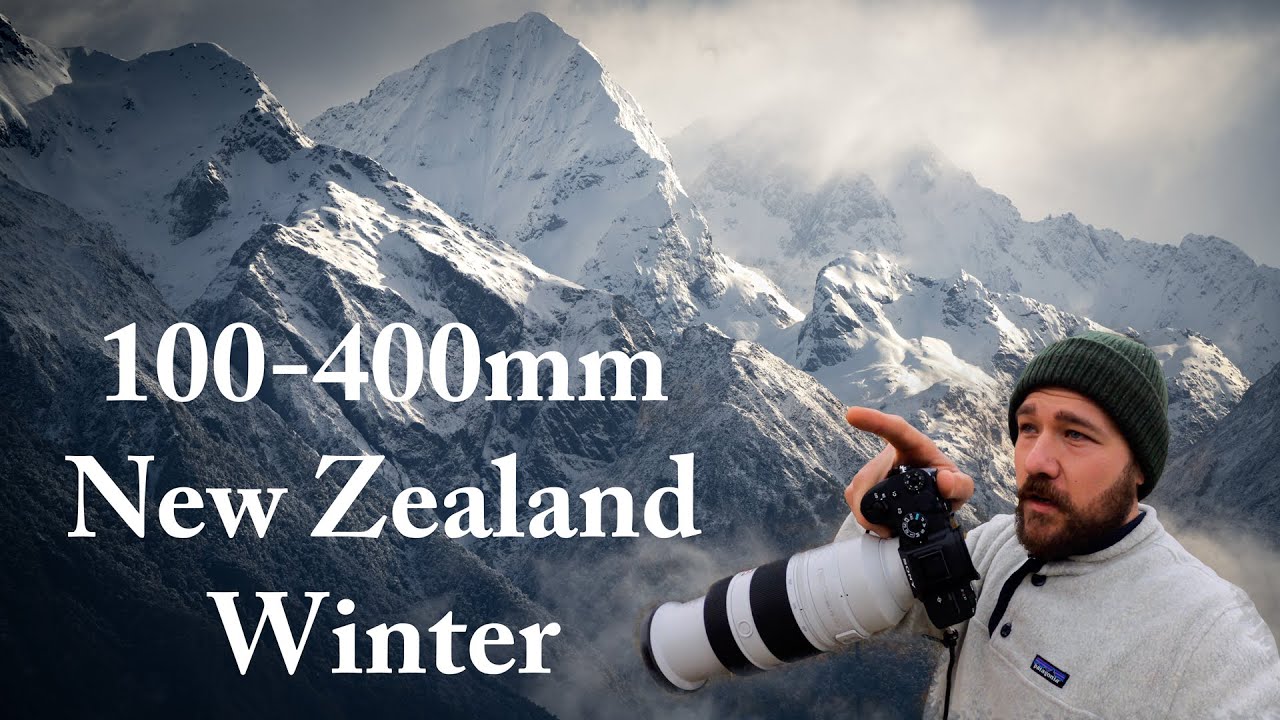
Most landscape photographers reach for their widest lens by default. I did the same thing for years. Wide angle felt “epic,” and telephoto felt like something you pulled out for wildlife or sports. Then I started paying closer attention to photographers who were coming back from the same locations I’d shot a dozen times with images that looked completely different from mine. They weren’t finding better light. They were using a longer lens and finding smaller, tighter stories inside the big scene I’d been trying to capture in one frame.

The 2020 Pixel Awards Breakdown: What Tony & Chelsea Northrup's Best (and Worst) Gear Picks Actually Mean for Your Kit

The 2020 Pixel Awards Breakdown: What Tony & Chelsea Northrup's Best (and Worst) Gear Picks Actually Mean for Your Kit

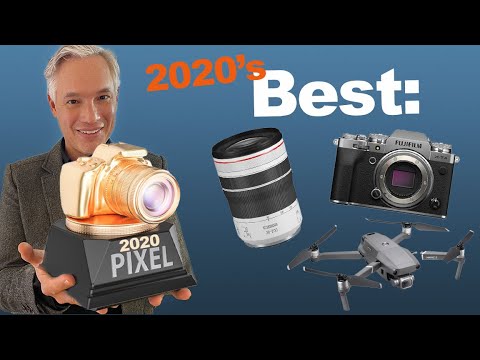
Every December I do the same thing: I pull up my gear spreadsheet, look at what I actually used that year, and try to figure out if I spent my money well. Most “best of the year” lists from big publications feel like they were written by a committee trying not to offend anyone. That’s why when Tony and Chelsea Northrup drop their annual Pixel Awards, I pay attention. They test the gear themselves, take no sponsorships from camera or lens manufacturers, and have burned bridges with enough companies to prove they’re not playing favorites.

Two Tamron Lenses Worth Gifting (Or Buying Yourself): The 15-30 and 28-300 Breakdown

Two Tamron Lenses Worth Gifting (Or Buying Yourself): The 15-30 and 28-300 Breakdown

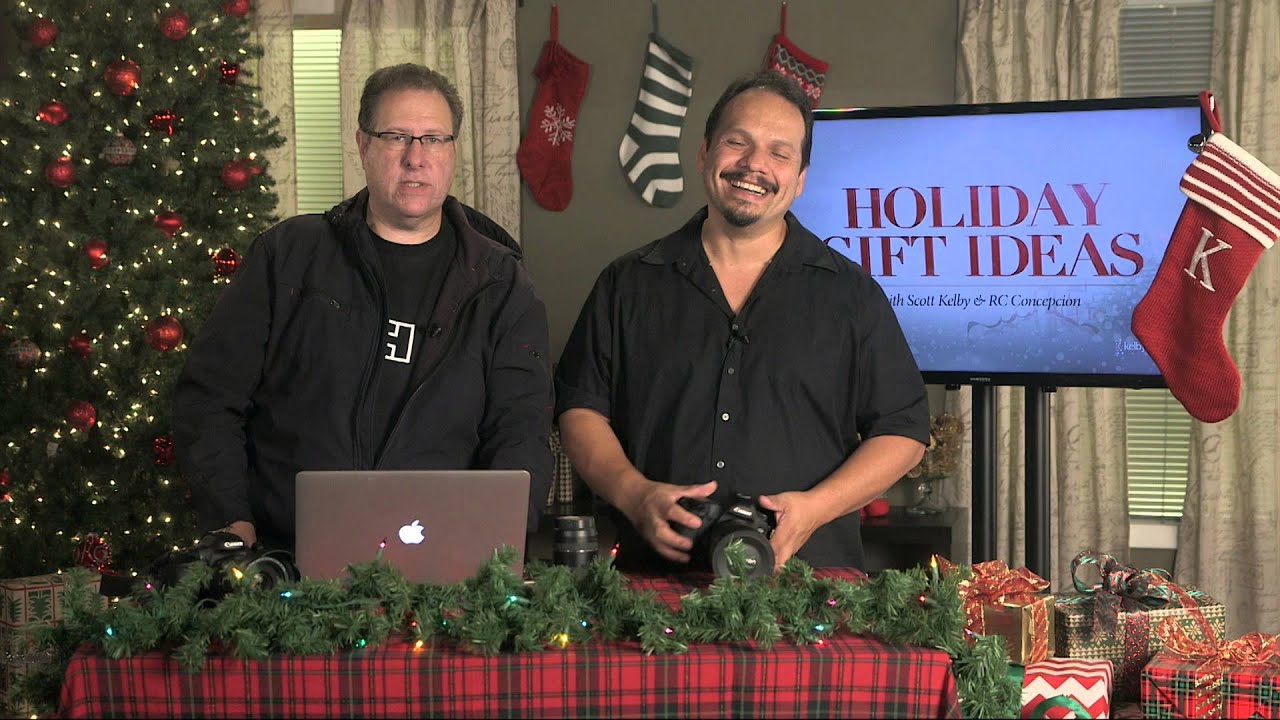
There’s a certain kind of gear recommendation I actually trust: the one that comes from someone who pulled the lens out in the field, not in a studio with controlled lighting and a color chart. When RC Concepcion and Scott Kelby run through holiday lens picks in this KelbyOne segment, the recommendations carry weight because they’re grounded in real shooting situations. RC used the Tamron 15-30mm in Dubai on a workshop trip.

The Telephoto Lens Most Landscape Photographers Ignore (And Why I Keep Coming Back to It)

The Telephoto Lens Most Landscape Photographers Ignore (And Why I Keep Coming Back to It)

I’ll be upfront: I spent years dismissing telephoto lenses for landscape work. My logic was simple - wide glass captures the scene, and scene is what landscape photography is about. Then I started actually stress-testing that assumption against my own portfolio, and the images I kept coming back to, the ones that felt different from everything else on my hard drive, were almost never the ultra-wide shots. That pattern bothered me enough that I went looking for someone who could explain it better than I had thought it through myself.