Why a High-Zoom All-in-One Lens Might Be the Smartest Landscape Purchase You Make This Year

Why a High-Zoom All-in-One Lens Might Be the Smartest Landscape Purchase You Make This Year

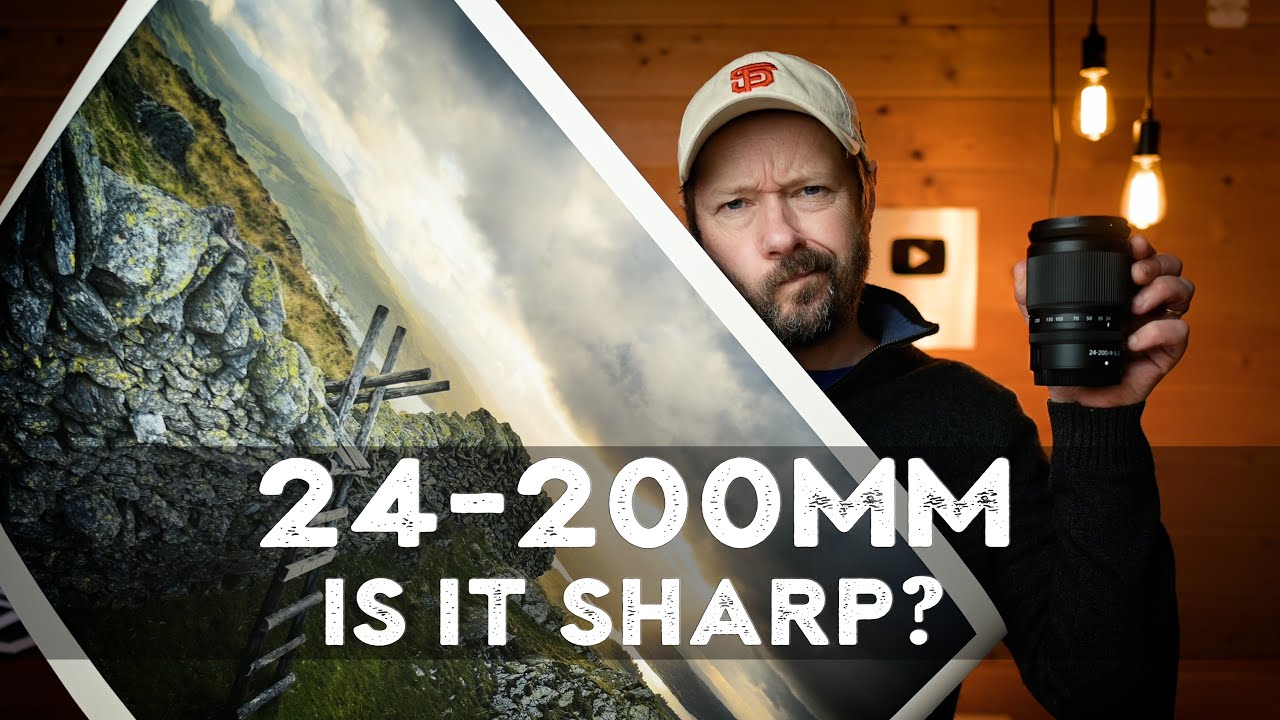
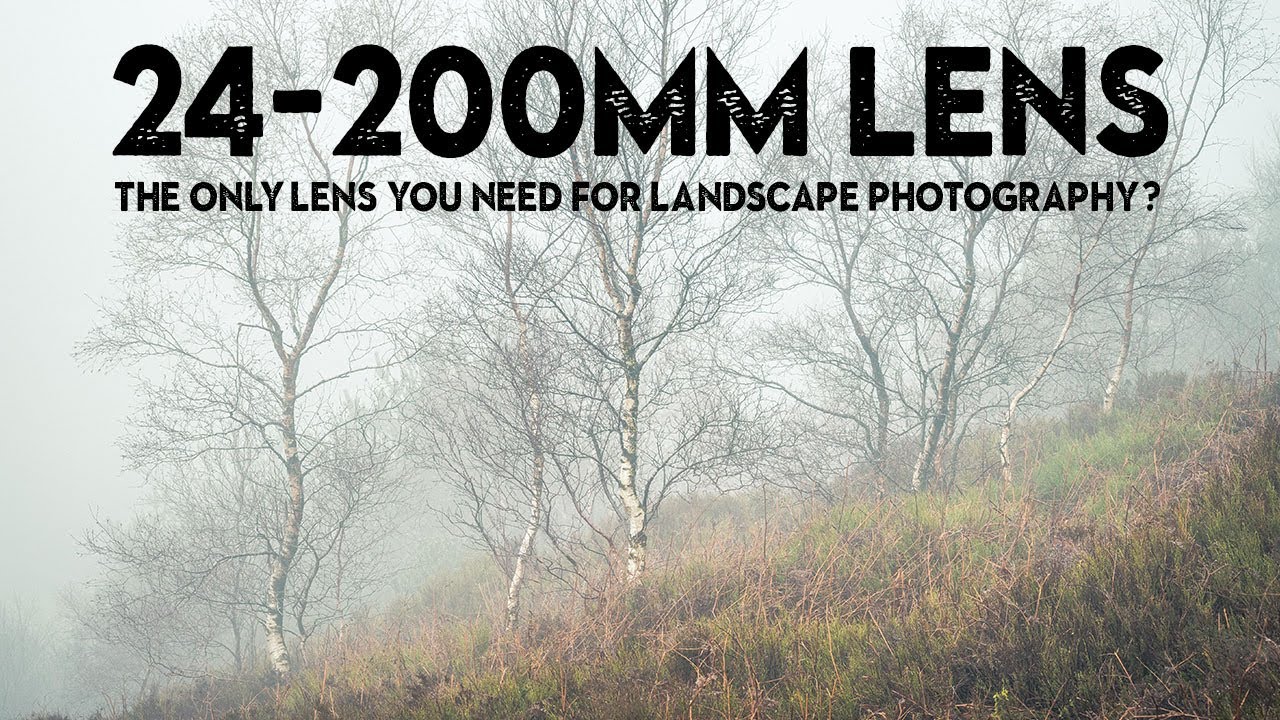
I have a spreadsheet with 47 lenses on it. I have bought, borrowed, and stress-tested more budget glass than most photographers will touch in a lifetime. And the question I keep coming back to is never “which lens is sharpest?” It’s always “which lens are you actually going to bring?” That distinction matters more than any MTF chart, and it’s exactly what pushed me to pay close attention when Nigel Danson made his case for adding a 24-200mm all-in-one zoom to his landscape kit.
The Laowa 10mm f/2.8 in the Field: What a First Shoot Actually Teaches You About Ultra-Wide Composition

The Laowa 10mm f/2.8 in the Field: What a First Shoot Actually Teaches You About Ultra-Wide Composition

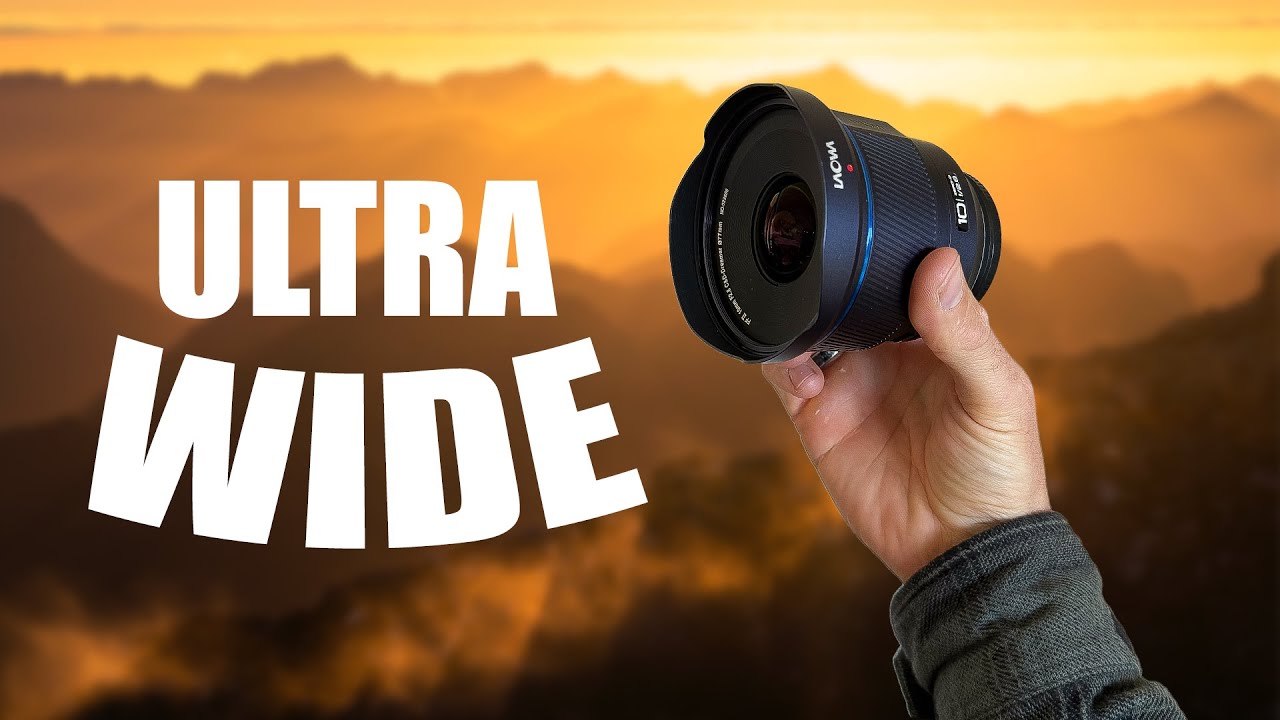
I’ve spent a embarrassing number of hours in spreadsheets comparing budget wide-angle lenses. Focal length, distortion, corner sharpness, price per millimeter of field of view - yes, I actually track that. So when I saw someone doing a genuine first-shoot field test of the Laowa 10mm f/2.8 full-frame lens with zero sponsorship attached, I stopped scrolling immediately. In this William Patino tutorial, he takes the lens out at golden hour in a forest and shoots through it in real time, talking through decisions as he makes them.

What a Pro Landscape Photographer Actually Carries (And What It Means For the Rest of Us)

What a Pro Landscape Photographer Actually Carries (And What It Means For the Rest of Us)

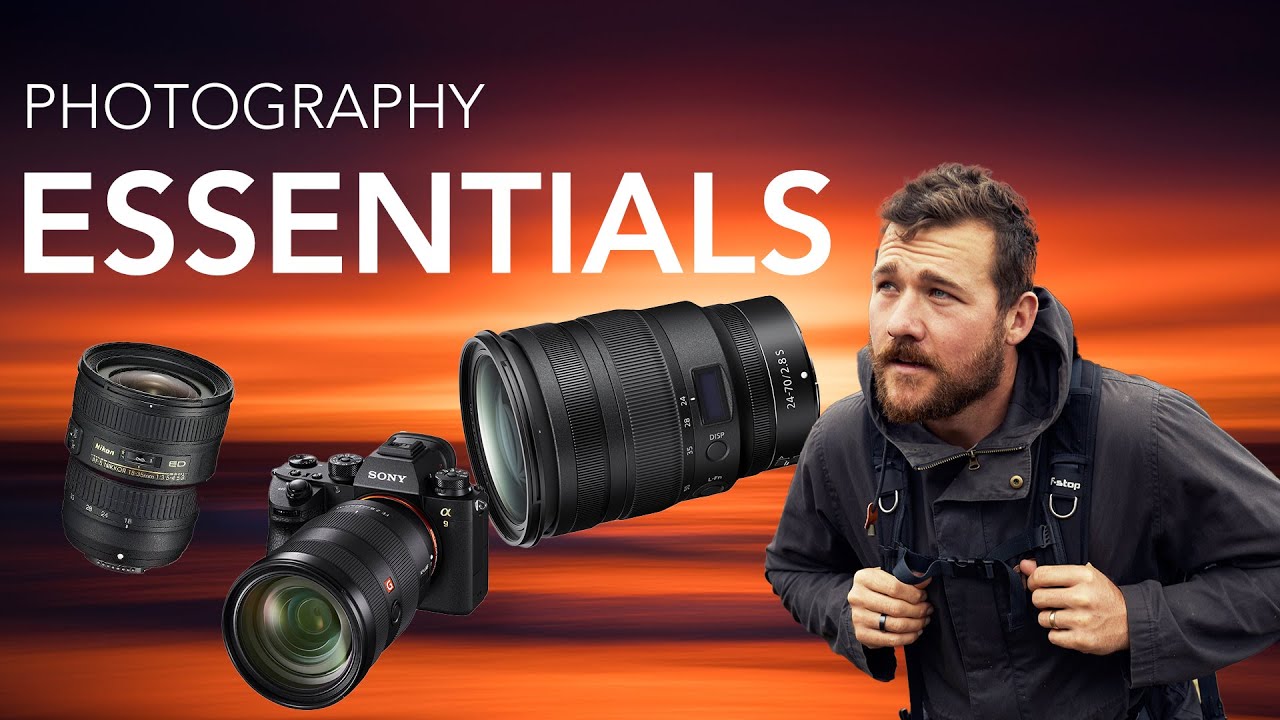
I’ll be honest with you. Most “what’s in my bag” videos are just excuse to show off expensive gear with zero explanation of why any of it was chosen. So when I came across William Patino’s breakdown of his landscape photography kit, I was ready to scroll past. I didn’t. Because Patino actually explains the reasoning behind every piece of gear he carries, and that reasoning holds up whether you’re spending $500 or $5,000.

What 7 Focal Lengths Actually Do to Your Photos (A Side-by-Side Breakdown)

What 7 Focal Lengths Actually Do to Your Photos (A Side-by-Side Breakdown)

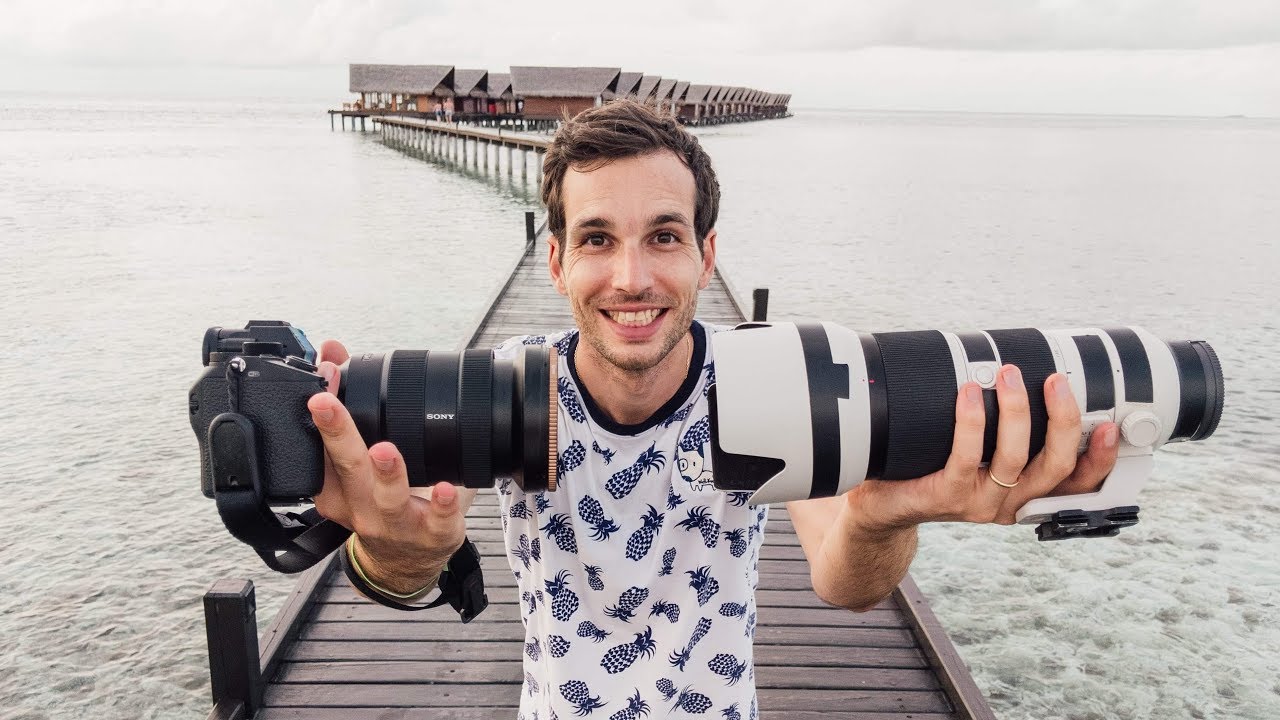
Every time I’m about to buy a lens, I open a spreadsheet. I know how that sounds. But when you’ve tested as many budget lenses as I have, you stop trusting marketing copy and start trusting data. The problem is that most lens comparisons focus on sharpness charts and bokeh rendering, and they skip the one thing that actually changes how your photos feel - how focal length reshapes the relationship between your subject and the background.

Can a Budget Superzoom Actually Deliver Print-Quality Shots? Here's What Nigel Danson Found Out

Can a Budget Superzoom Actually Deliver Print-Quality Shots? Here's What Nigel Danson Found Out

I’ve always had a complicated relationship with superzoom lenses. On paper, a 24-200mm range sounds like the answer to every “what lens should I bring?” argument I’ve ever had with myself at the trailhead. In practice, I’ve tested enough of these lenses to fill two rows of my comparison spreadsheet, and the results are almost always the same story: great convenience, soft edges, and print sizes that top out around 11x14 before you start making excuses.

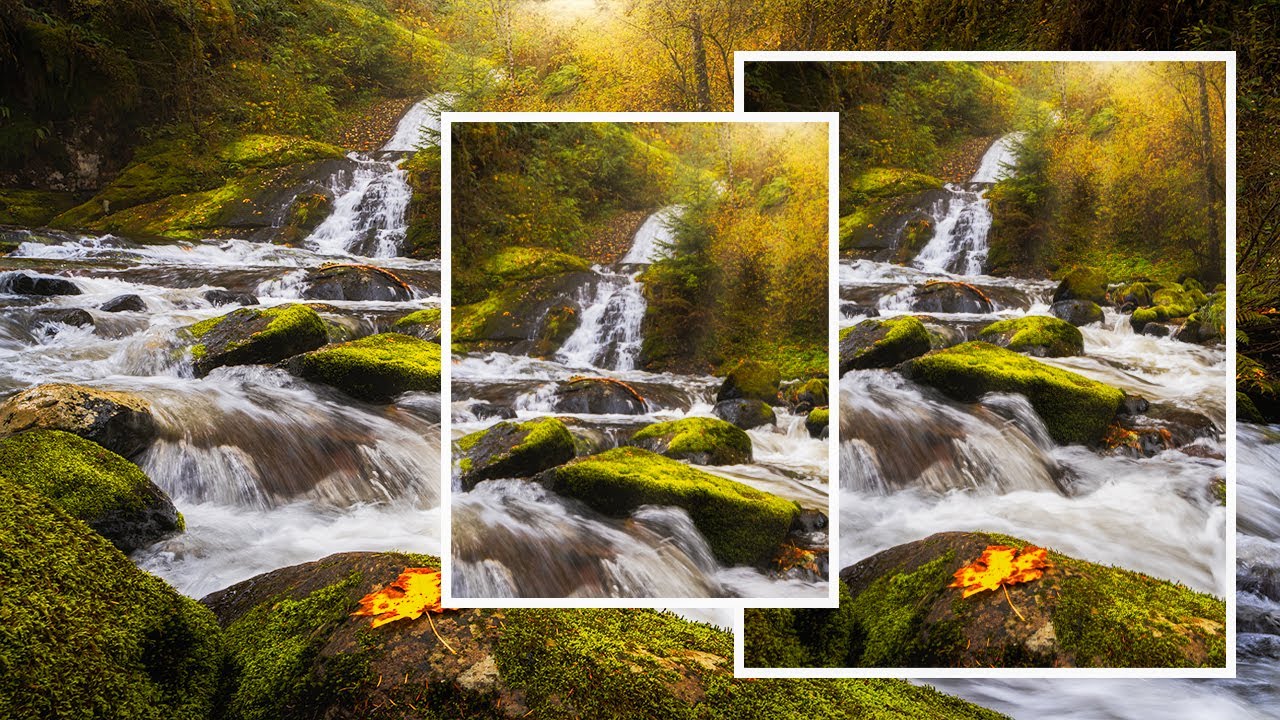
How a 70-200mm Lens Fixed My Worst Compositional Habit (Lessons from Nigel Danson)

How a 70-200mm Lens Fixed My Worst Compositional Habit (Lessons from Nigel Danson)

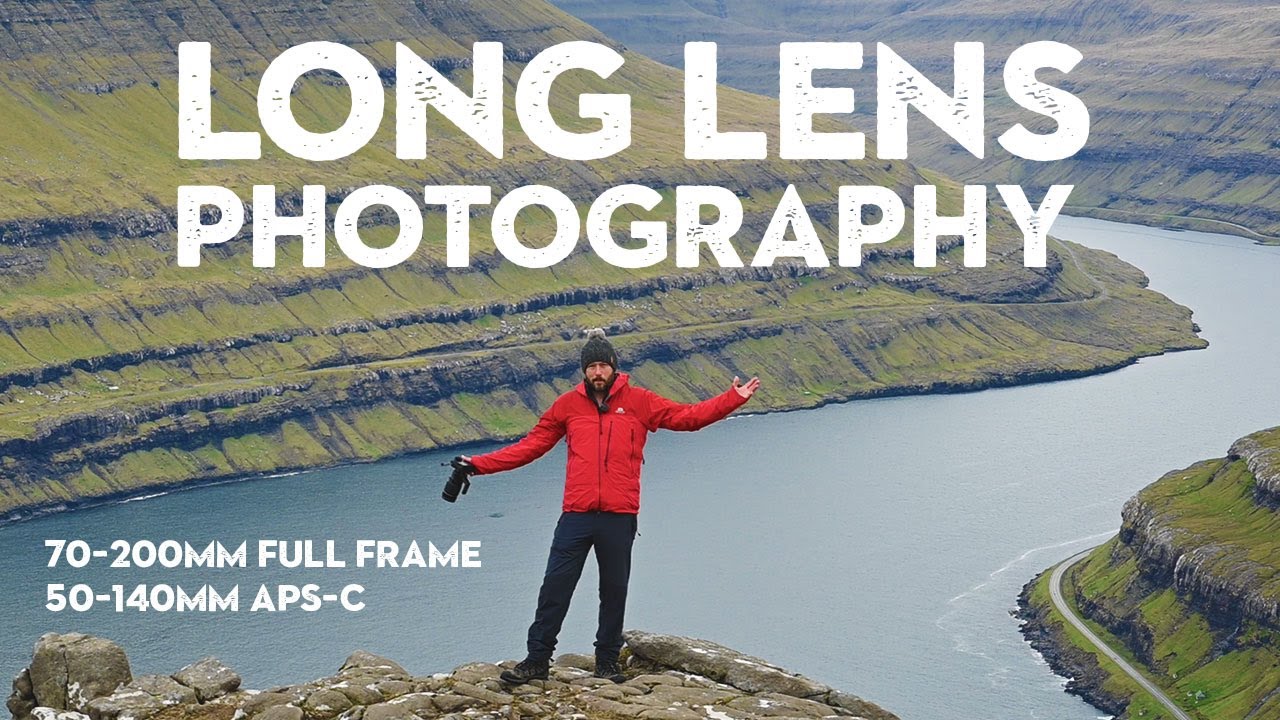
I have a problem with wide-angle lenses. I lean on them too hard, too fast, and too often. When I’m out shooting and the scene feels cluttered or I can’t find a strong composition, my default is to get closer and go wider, which usually makes things worse, not better. I’ve been aware of this habit for a while, but it took watching someone else work through the exact opposite approach to actually shift how I think about it.

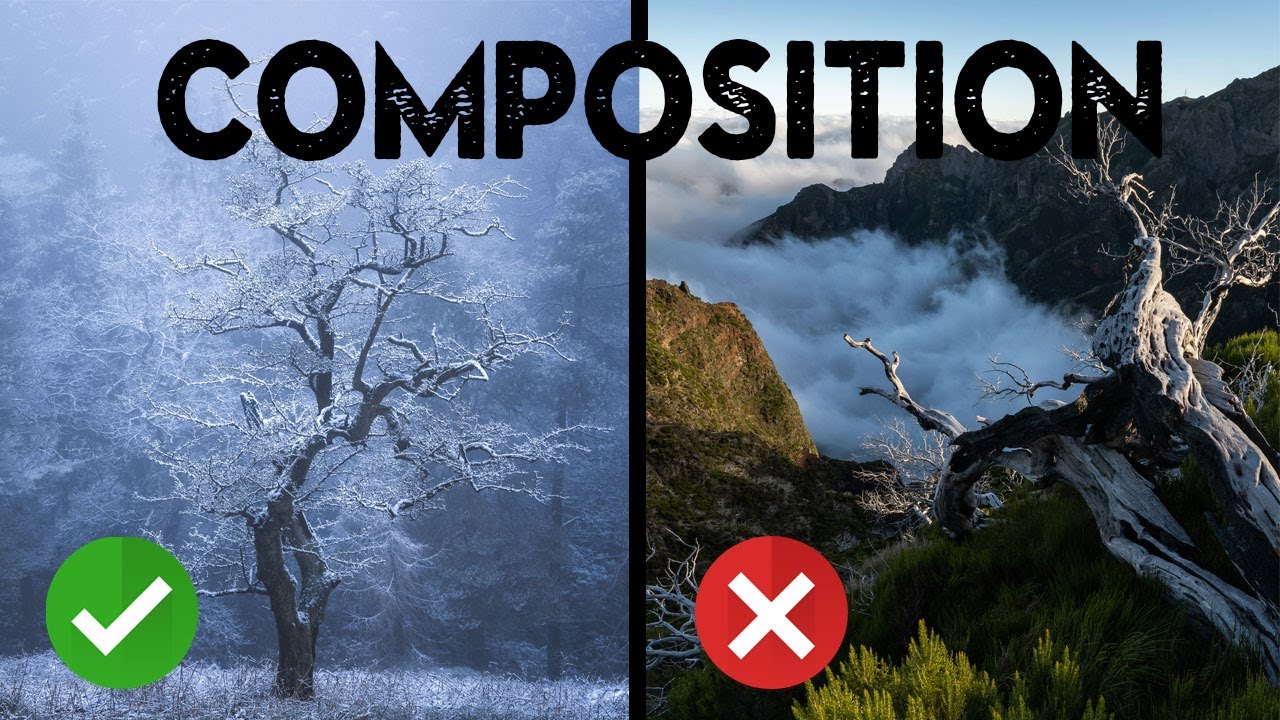
Small Composition Fixes That Make a Big Difference (Lessons from Nigel Danson's Photo Critiques)

Small Composition Fixes That Make a Big Difference (Lessons from Nigel Danson's Photo Critiques)

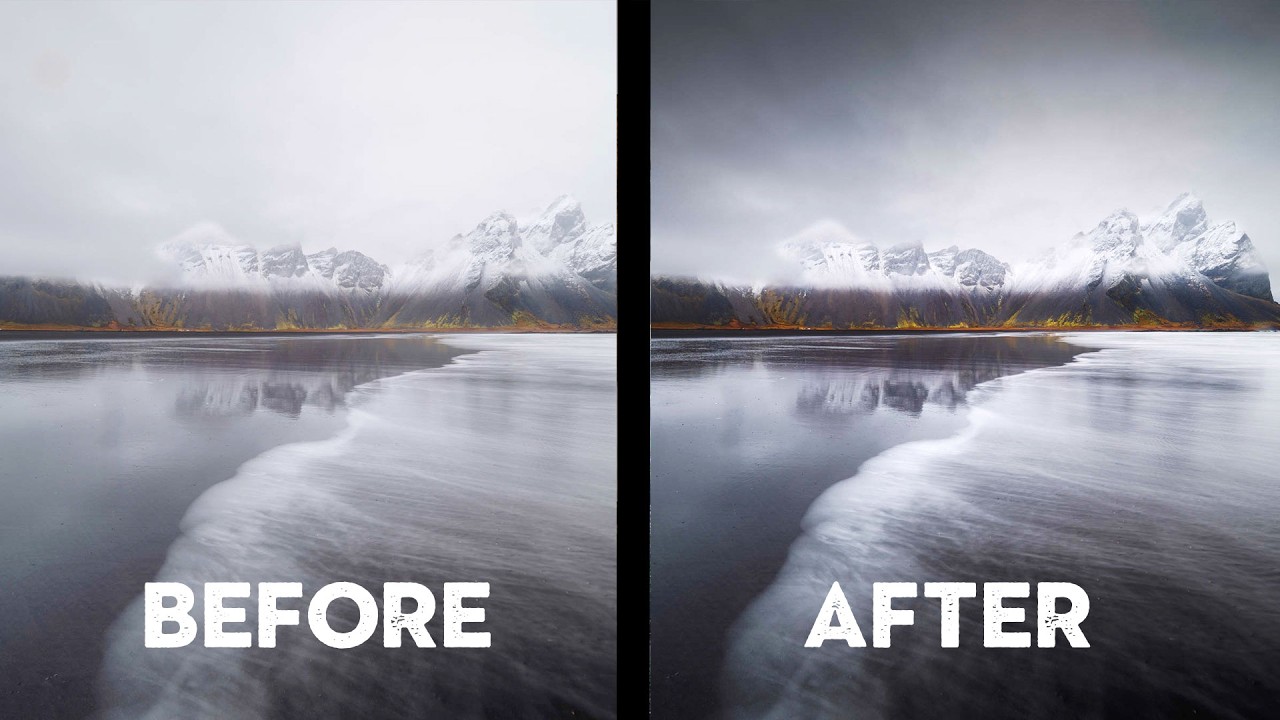
I spend a lot of time hunting deals and testing budget gear, and my whole argument is that the camera isn’t what’s holding most people back. But after watching enough work from photographers at every price point, I’ll admit the honest truth: cheap gear isn’t holding people back either. Composition is. Cropping is. Knowing when to simplify is. Those are free skills, and most of us, myself included, are still building them.

Two Lenses, Zero Regrets: What Mark Denney's Gear Purge Taught Me About Shooting Smarter

Two Lenses, Zero Regrets: What Mark Denney's Gear Purge Taught Me About Shooting Smarter

I’ve tracked lens prices on spreadsheets longer than most people track their finances, and the question I field more than any other is still: “Which lens should I get for landscapes?” It’s the kind of question that sounds simple but hides a real trap. Ask ten photographers and you’ll get ten different answers, most of them shaped by sunk cost and brand loyalty more than actual field experience. So when I came across a tutorial where a respected landscape photographer walks through selling off nearly his entire lens collection and explains exactly what he kept and why, I stopped what I was doing and watched it twice.

Your Photos Aren't Bad — Your Composition Awareness Is (Here's How to Fix It)

Your Photos Aren't Bad — Your Composition Awareness Is (Here's How to Fix It)

There’s a specific kind of disappointment I know too well: you’re out shooting, the light is perfect, the subject is right there, and you feel like you’re absolutely nailing it. Then you get home, pull the images up on your monitor, and something is just… off. The photo doesn’t land. You can’t quite explain why, but it doesn’t work. For a long time I chalked this up to gear. Different lens, maybe.

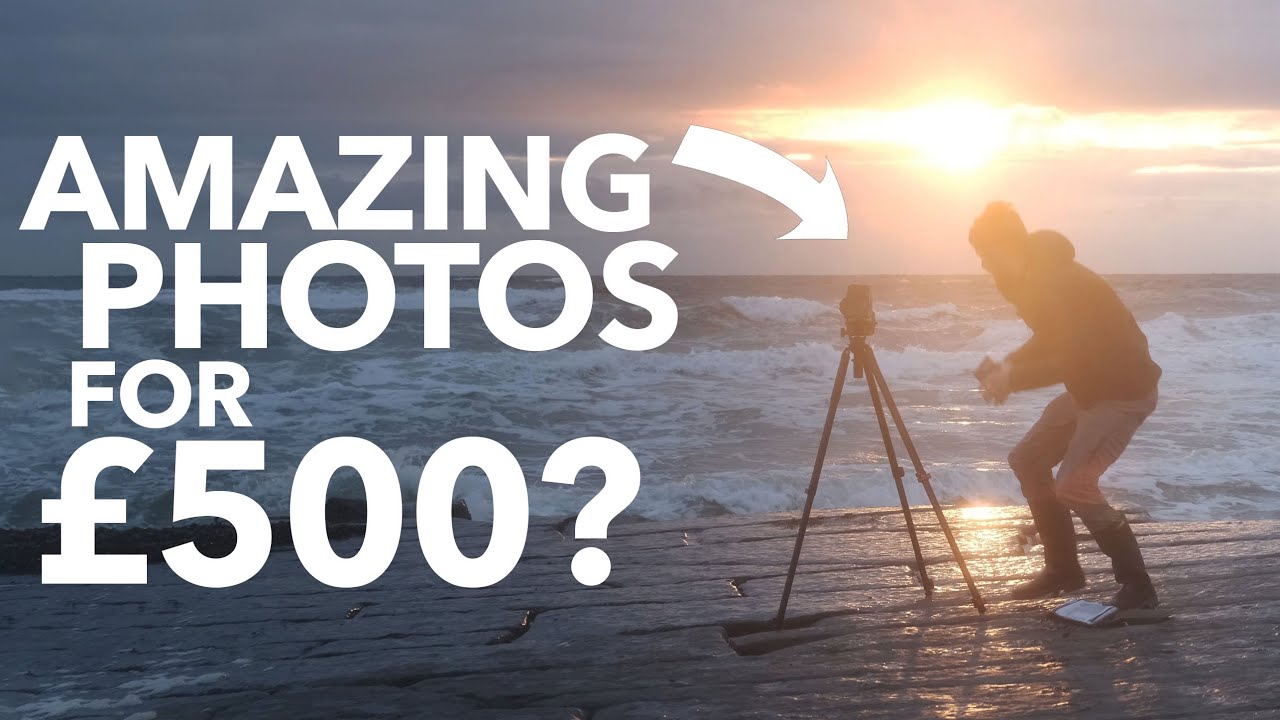
The £500 Landscape Kit That Actually Works (And Why We've All Been Brainwashed Into Spending More)

The £500 Landscape Kit That Actually Works (And Why We've All Been Brainwashed Into Spending More)

I run a blind test at almost every local meetup I attend. I hand people two sets of prints, one shot on a $500 kit, one on a $2,000 kit, and ask them to pick the “professional” photos. They’re wrong more often than they’re right. I’ve been making that point for years, but it still feels like swimming upstream when the broader photography world treats a four-figure budget as the bare minimum to get started.

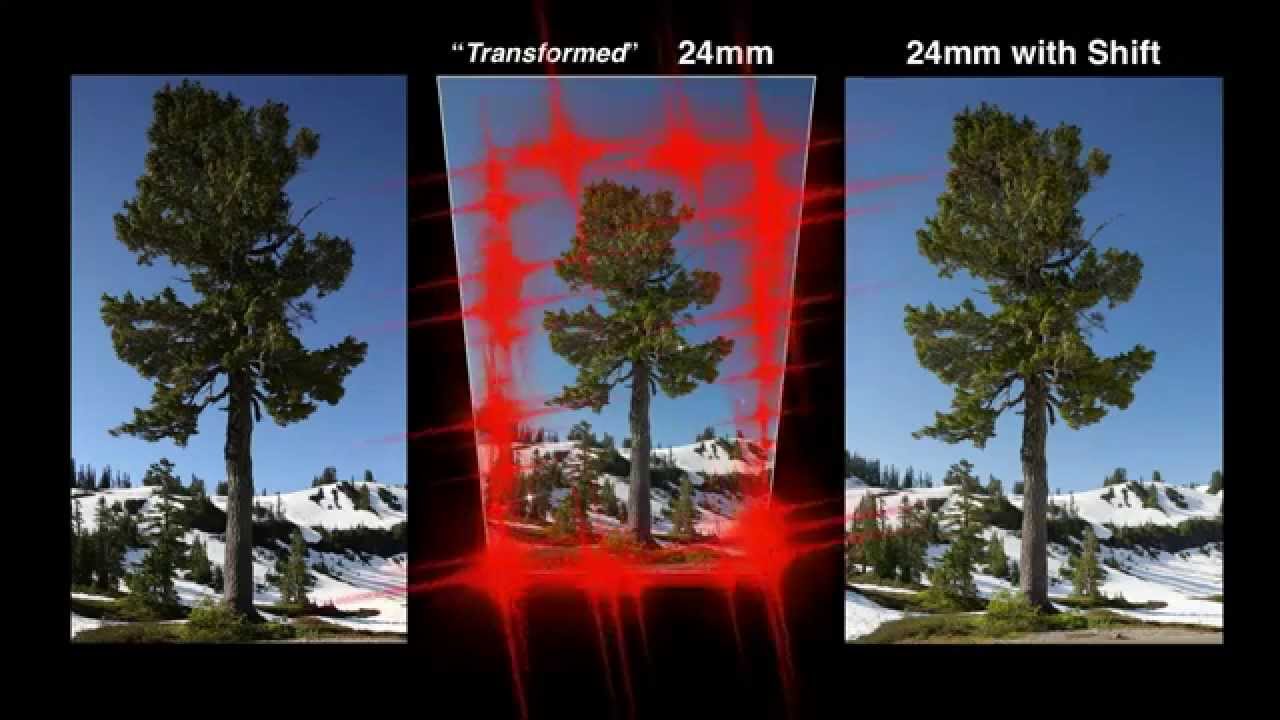
What a Tilt-Shift Lens Actually Does (And Why You Should Rent One Before You Buy)

What a Tilt-Shift Lens Actually Does (And Why You Should Rent One Before You Buy)

Most photographers never touch a tilt-shift lens. They’re expensive, they’re manual-everything, and the learning curve is steep enough that most people just skip them entirely. I get it. For years I filed them under “gear I’ll worry about when I’m rich,” right next to medium format backs and cinema-grade gimbals. But I kept running into situations where my shots of tall trees, building interiors, and wide landscape scenes looked just slightly wrong, and I couldn’t fix it cleanly in post without weird stretching artifacts.

Get More Out of Your Wide Angle Lens: A Step-by-Step Guide to Shooting Like a Landscape Pro

Get More Out of Your Wide Angle Lens: A Step-by-Step Guide to Shooting Like a Landscape Pro

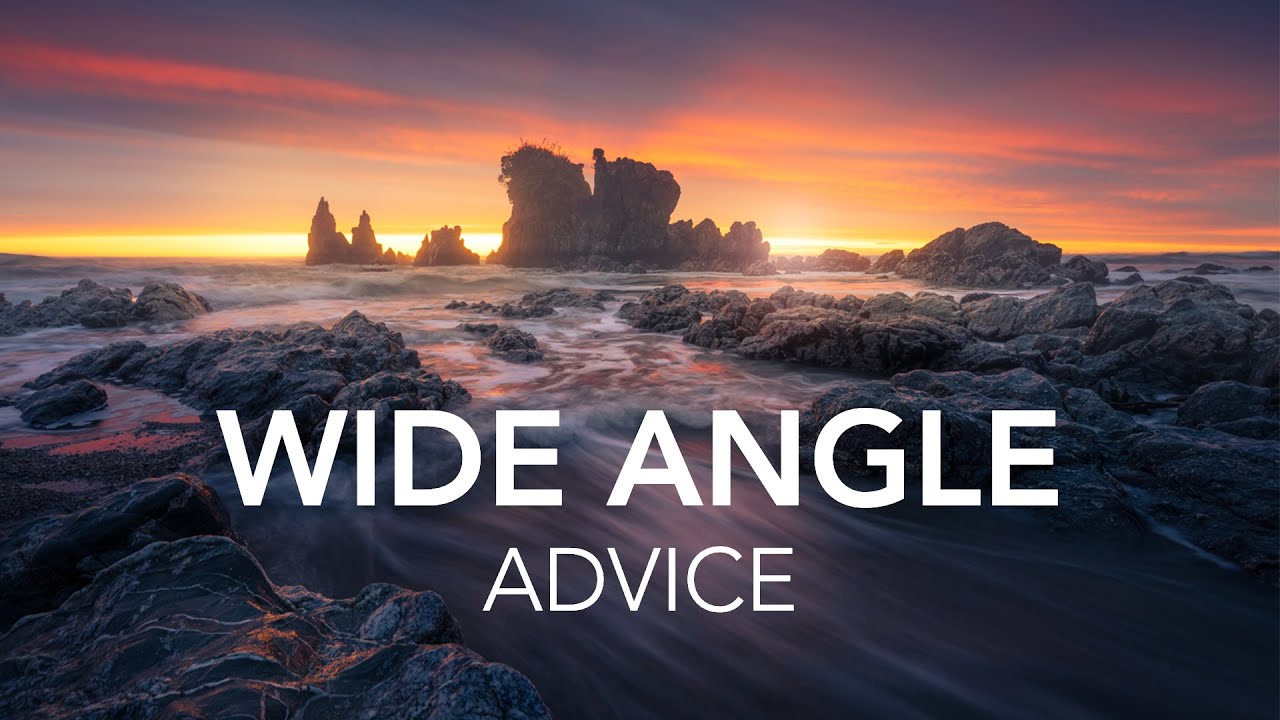
I’ll be honest: wide angle lenses have a reputation for being “easy” because they fit so much in the frame. Point them at a big landscape, click, done. Except that’s exactly the wrong way to use them, and it took me longer than I’d like to admit to figure that out. When I was starting out with a budget ultra-wide zoom, my landscape shots looked flat and lifeless even though I was standing in front of genuinely beautiful scenery.