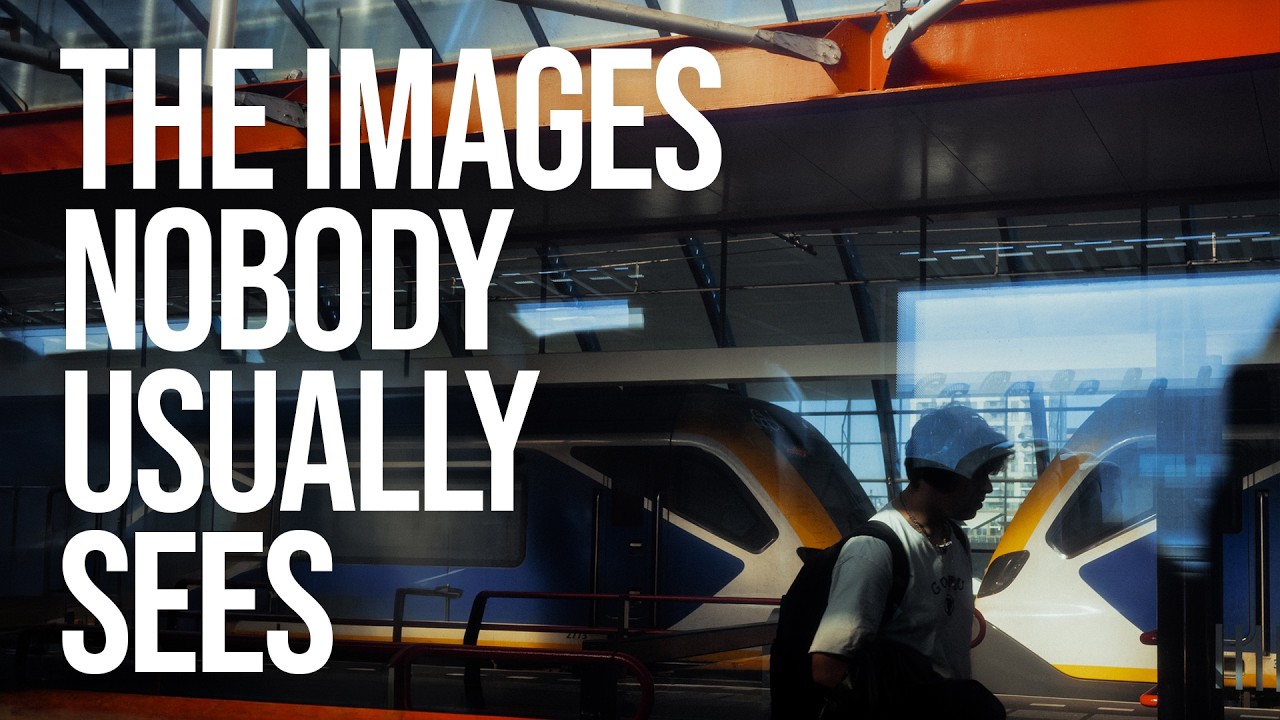
What Sean Tucker's Amsterdam Street Day Actually Teaches You About Shooting Light (Not Gear)

What Sean Tucker's Amsterdam Street Day Actually Teaches You About Shooting Light (Not Gear)

Street photography has a gatekeeping problem. Open any forum thread about it and you’ll find someone insisting you need a rangefinder, a specific focal length, or a decade of experience before your shots are worth anything. I’ve been pushing back on that narrative since I started this site, and most of the time I do it with price tags and test results. But sometimes the most convincing argument isn’t a budget lens review.
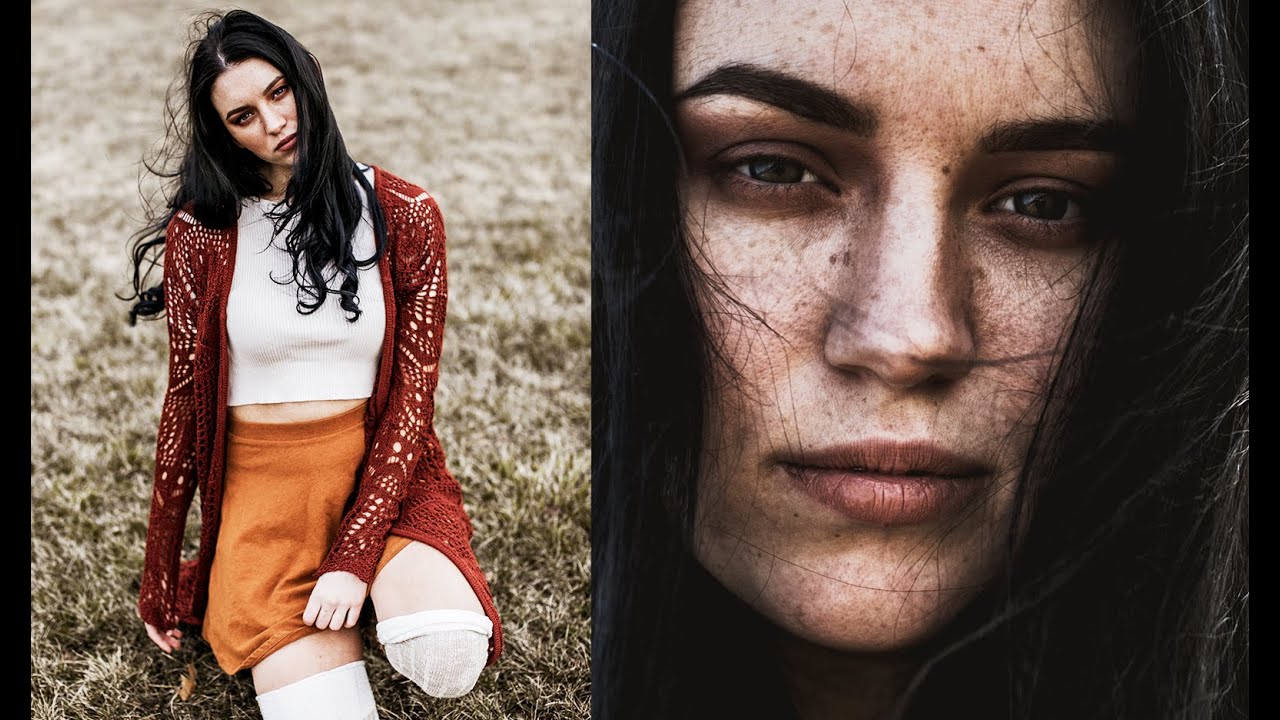
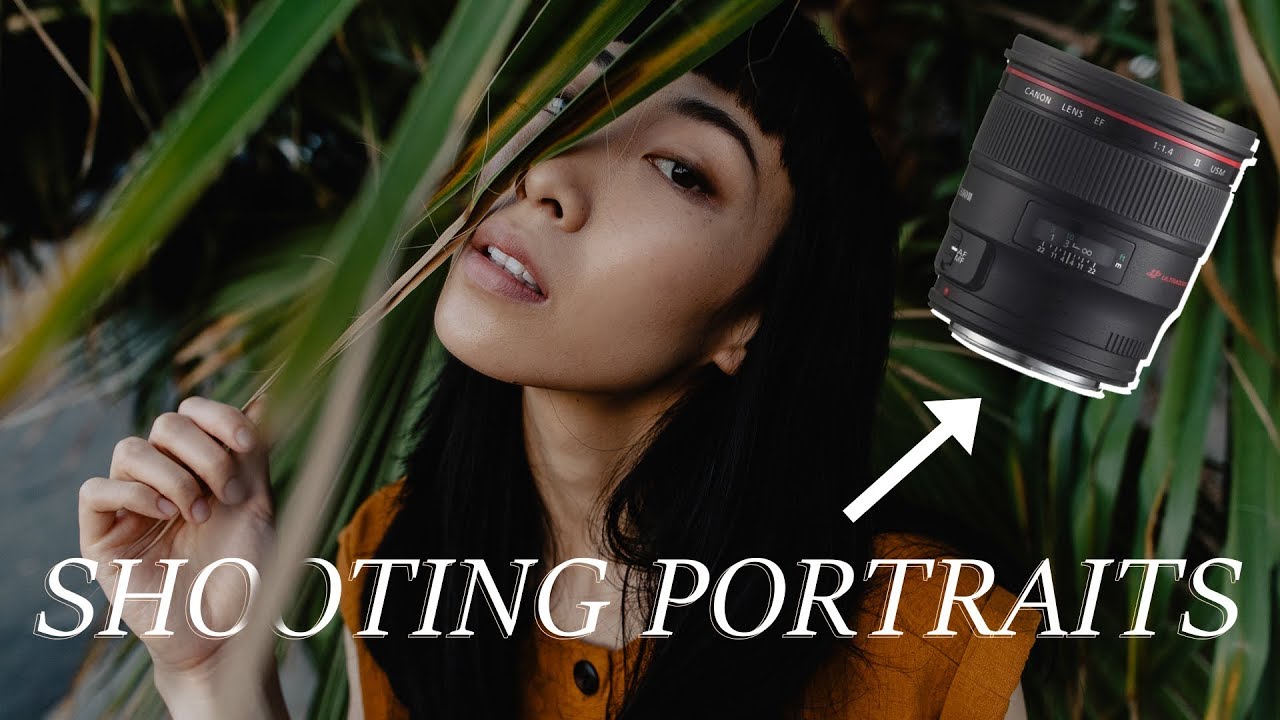
How to Shoot Stunning Natural Light Portraits With a 50mm Lens (And Actually Direct a Stranger)

How to Shoot Stunning Natural Light Portraits With a 50mm Lens (And Actually Direct a Stranger)

There’s a specific kind of shoot that trips up a lot of photographers who are otherwise technically solid: outdoor portraits, midday sun, someone you’ve never worked with before. No studio lights to hide behind, no creative director feeding direction, just you, your glass, and a person who’s quietly wondering if you know what you’re doing. I’ve been there more times than I’d like to admit, and for a long time my solution was to over-plan and under-deliver.

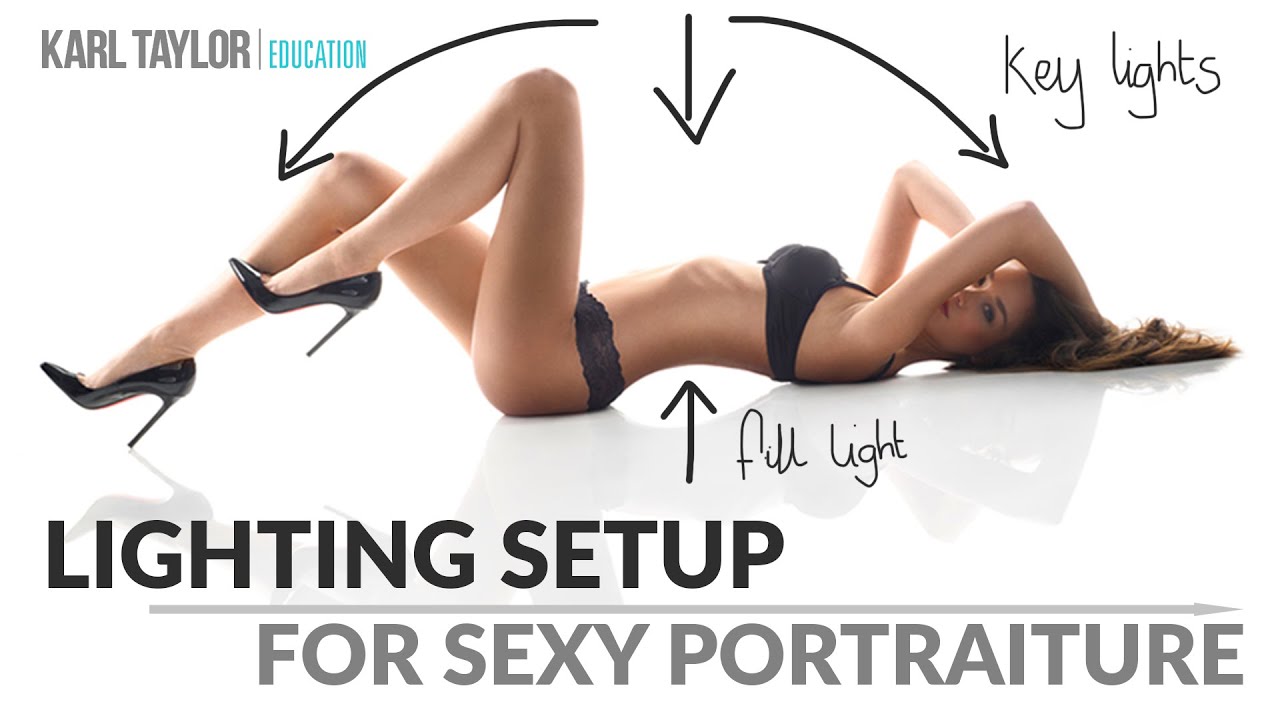
How to Use Intentional Lens Flare for Dramatic Portrait Lighting (Lighting Setup Breakdown)

How to Use Intentional Lens Flare for Dramatic Portrait Lighting (Lighting Setup Breakdown)

Most portrait photographers I know treat lens flare like a mistake to avoid. And honestly, for a long time I did too. When you’re shooting on a budget and you can’t afford to reshoot, flare feels like a liability. But there’s a version of intentional flare that looks nothing like an accident. It looks cinematic, controlled, almost otherworldly. The kind of light that wraps over a subject’s skin like they’re glowing from the inside.

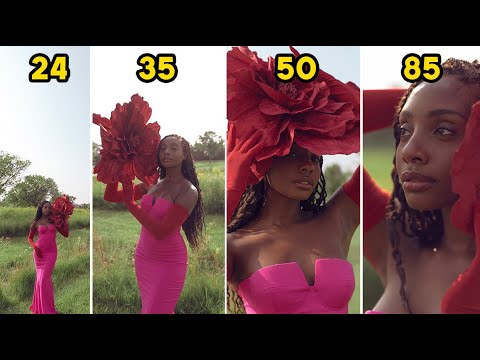
24mm, 35mm, 50mm, or 85mm: What a Real Fashion Shoot Reveals About Each Prime Lens

24mm, 35mm, 50mm, or 85mm: What a Real Fashion Shoot Reveals About Each Prime Lens

The question I get more than any other from people just getting serious about photography is this: which prime lens should I buy first? I have a whole spreadsheet on this. Dozens of lenses, price points, sharpness charts, real-world test shots. But numbers only tell part of the story. What I always want to see is a working photographer actually running the same subject through multiple focal lengths back to back, so the differences are impossible to ignore.

Why I Started Shooting Portraits With a 24mm (And Why You Should Try It Too)

Why I Started Shooting Portraits With a 24mm (And Why You Should Try It Too)

Every photographer I know has a comfort zone lens. For most portrait shooters, that’s an 85mm, a 50mm, maybe a 70-200mm if they’re feeling fancy. I get it. Those focal lengths are forgiving, flattering, and predictable. But predictable is also another word for boring, and I’ve been trying to push myself out of that rut lately. What finally cracked things open for me was watching Mango Street take their brand new Canon 24mm f/1.

How a Tilt-Shift Lens Gives You Control Over What's Sharp (And What Isn't)

How a Tilt-Shift Lens Gives You Control Over What's Sharp (And What Isn't)

Most of us chase sharpness. We pixel-peep, we chimp, we stop down to f/8 and call it safe. But there’s a whole category of creative focus control that doesn’t get enough attention outside of architecture and product photography circles, and that’s the tilt-shift lens. I spent years assuming it was a specialty tool for correcting buildings and nothing else. A recent tutorial from The Slanted Lens changed that for me, and I want to break it down in a way that actually sticks.

Why Your Wide-Angle Lens Is Holding You Back (And What to Do About It)

Why Your Wide-Angle Lens Is Holding You Back (And What to Do About It)

I spent my first two years shooting landscapes almost exclusively with a wide-angle lens. Made sense at the time - wide glass is cheap, it’s what every “landscape photography beginner” listicle recommends, and the dramatic foreground-to-sky shots look impressive as a thumbnail. But I kept running into the same wall: if the light wasn’t cooperating, if there wasn’t a compelling foreground element within arm’s reach, or if the scene just didn’t have that sweeping cinematic quality, I’d come home with nothing worth keeping.

Sony Wildlife Photography Gear: What Actually Matters (And What to Skip)

Sony Wildlife Photography Gear: What Actually Matters (And What to Skip)

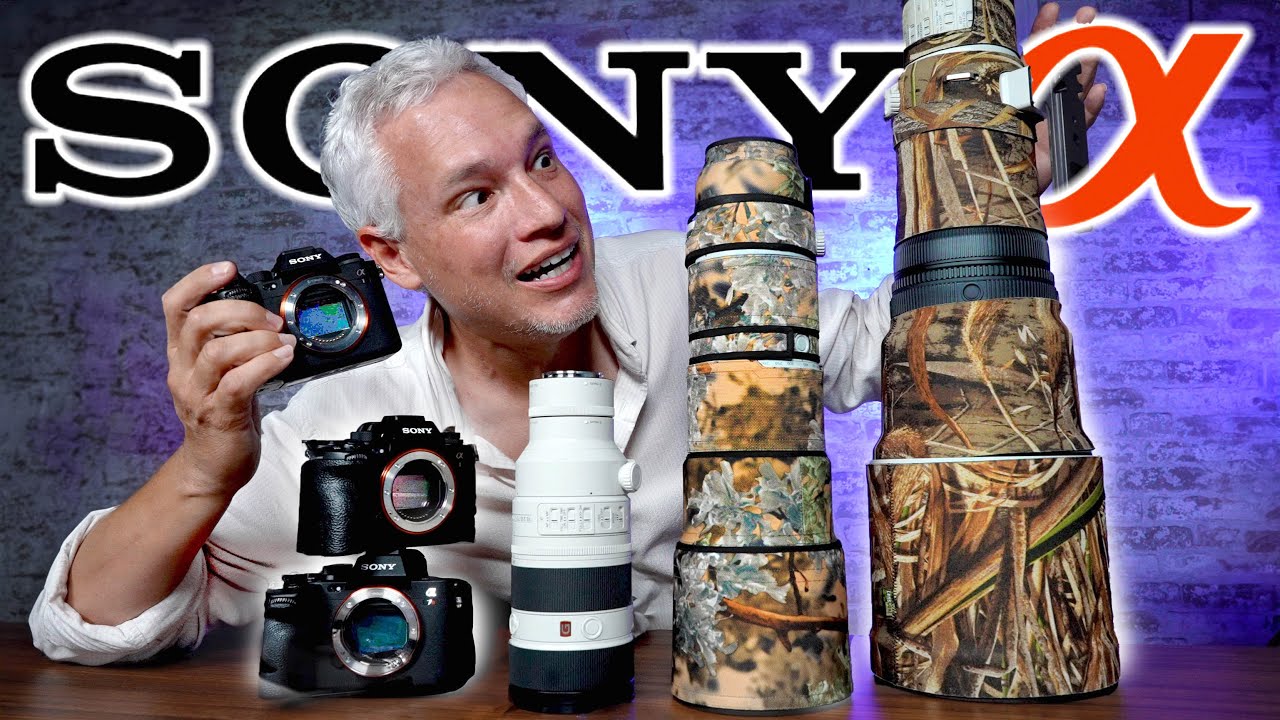
Wildlife photography is the one genre where I can’t tell you gear doesn’t matter. I’ve spent years arguing that a $500 camera can do most of what a $2,000 camera can do, and I stand by that for portraits, street work, and even landscapes. But when you’re tracking a bird of prey at 400mm while it banks hard left, your autofocus system and viewfinder refresh rate are not abstractions. They are the difference between a keeper and a blur.

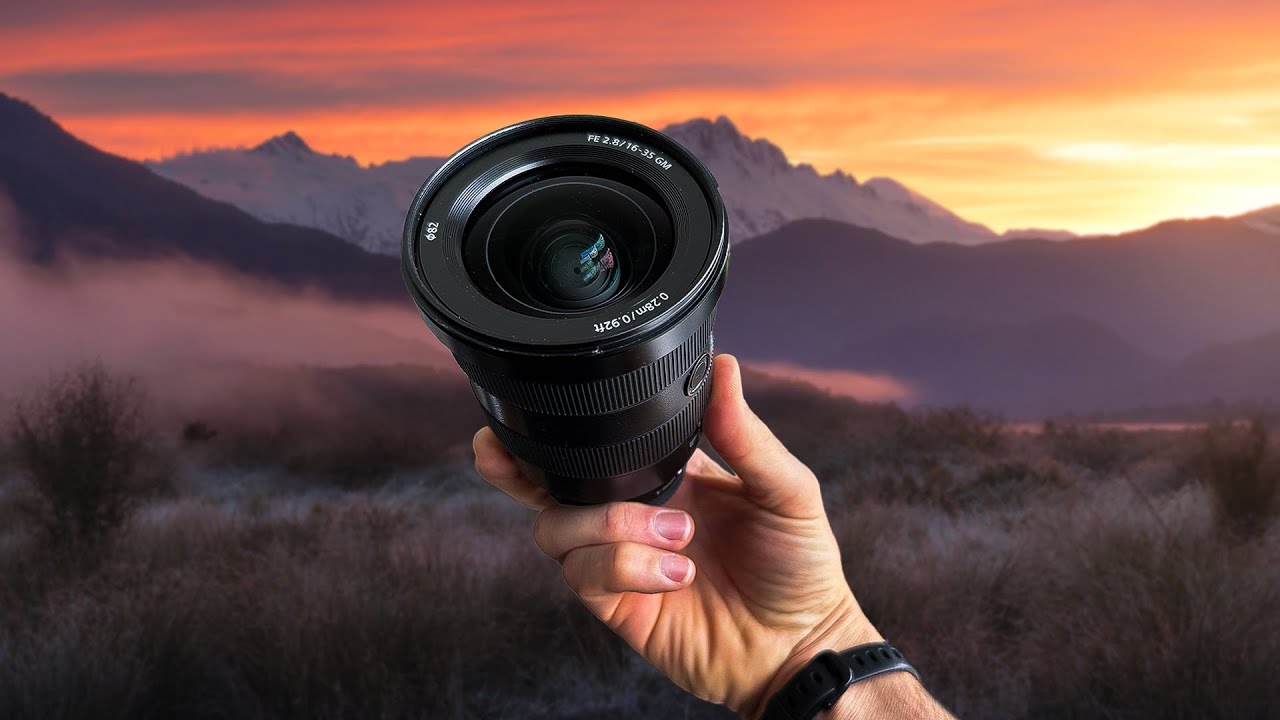
How to Actually Use an Ultra-Wide Angle Lens for Landscape Photography (Not Just Slap It On and Hope)

How to Actually Use an Ultra-Wide Angle Lens for Landscape Photography (Not Just Slap It On and Hope)

I spent a long time thinking ultra-wide lenses were a flex move. Like, you buy the 12mm, you point it at a mountain, and the sheer field of view does the heavy lifting. Spoiler: it doesn’t. What I kept getting was flat, busy images that looked like I just stood far back from everything. No sense of scale. No pull. Just… wide. That changed when I worked through Watch the full tutorial on YouTube by William Patino, where he breaks down exactly how to think about ultra-wide lenses for landscape work.

Which Portrait Lens Actually Wins? A Focal Length Breakdown From 24mm to 135mm

Which Portrait Lens Actually Wins? A Focal Length Breakdown From 24mm to 135mm

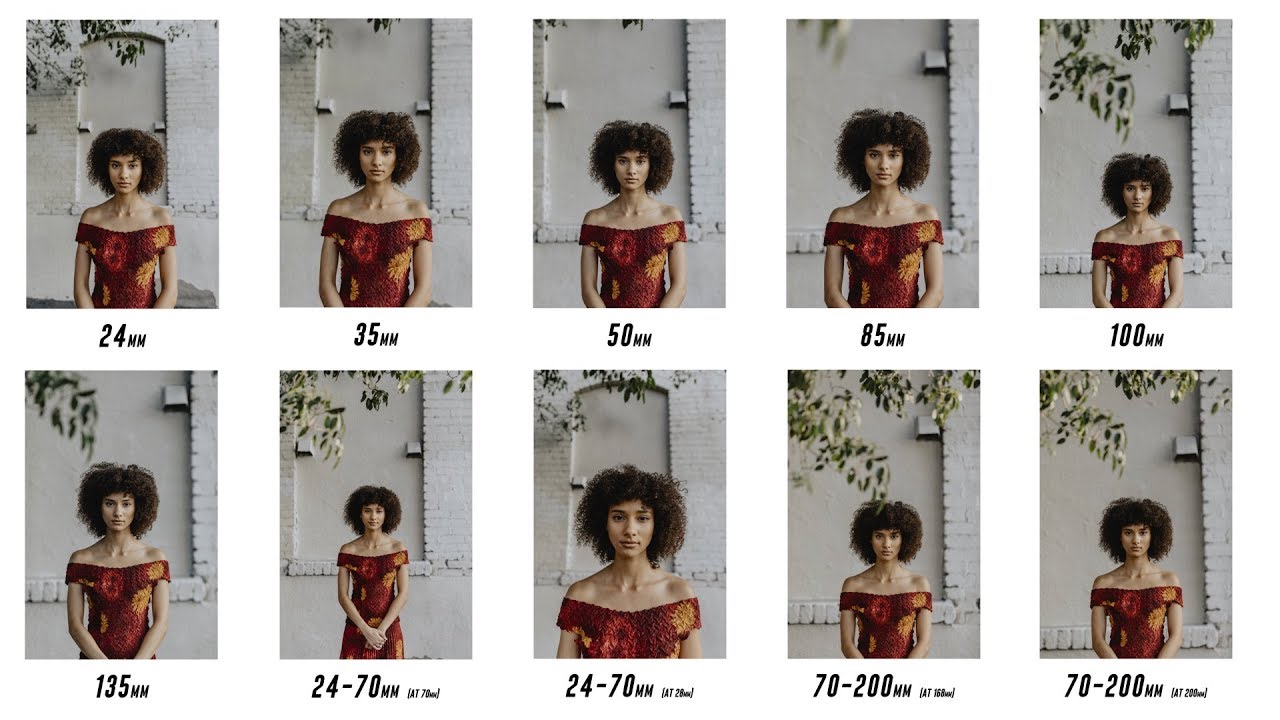
The question I get more than any other from photographers just building out their kits is some version of: “Which lens should I buy for portraits?” It sounds simple. It is not simple. The answer depends on your shooting style, your sensor size, your working distance, and honestly, your personality as a photographer. I’ve tested a lot of glass, and I’ve made a lot of bad purchases chasing someone else’s answer to that question.

How Tony & Chelsea Northrup Recreated Girl With a Pearl Earring (And What Every Portrait Shooter Can Steal From It)

How Tony & Chelsea Northrup Recreated Girl With a Pearl Earring (And What Every Portrait Shooter Can Steal From It)

I spend a lot of my time thinking about constraints. Budget constraints, gear constraints, time constraints. What I don’t think about enough is using art as a creative constraint, and that’s exactly what flipped a switch for me when I watched this tutorial. There’s a specific problem portrait photographers run into constantly: shooting something that looks intentional rather than accidental. Replicating a painting forces every decision to have a reason. The angle of light, the color of fabric, the tilt of the head.

Macro Photography With Dedicated Gear: What Actually Changes When You Level Up

Macro Photography With Dedicated Gear: What Actually Changes When You Level Up

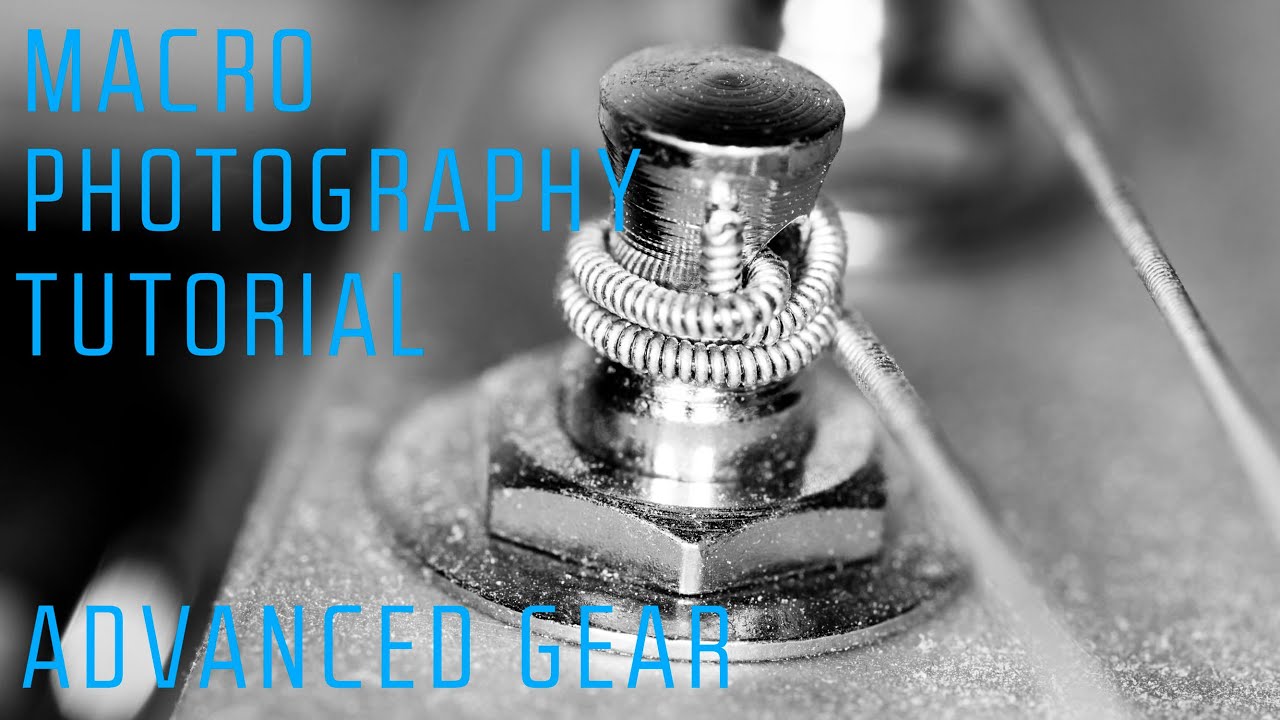
Macro photography has a reputation for being fussy, and honestly, it earns that reputation. Getting sharp, well-lit images of tiny subjects is genuinely hard, and most beginner tutorials gloss over the part where everything falls apart in practice: the depth of field becomes razor thin, your on-camera flash is physically blocked by your own lens, and your autofocus just gives up entirely. I ran into every one of those walls before I started digging into tutorials that actually addressed the gear side of the problem directly.